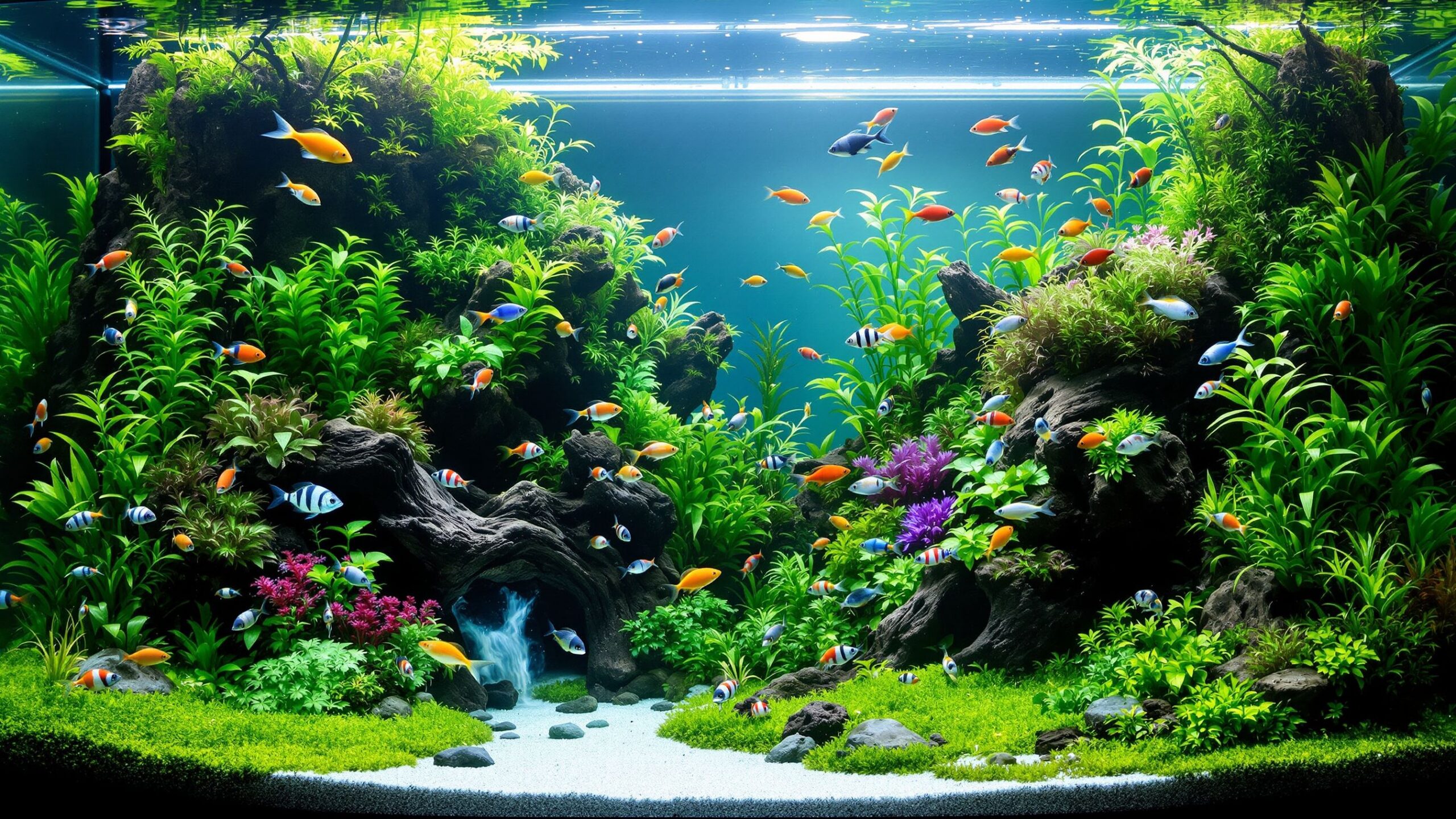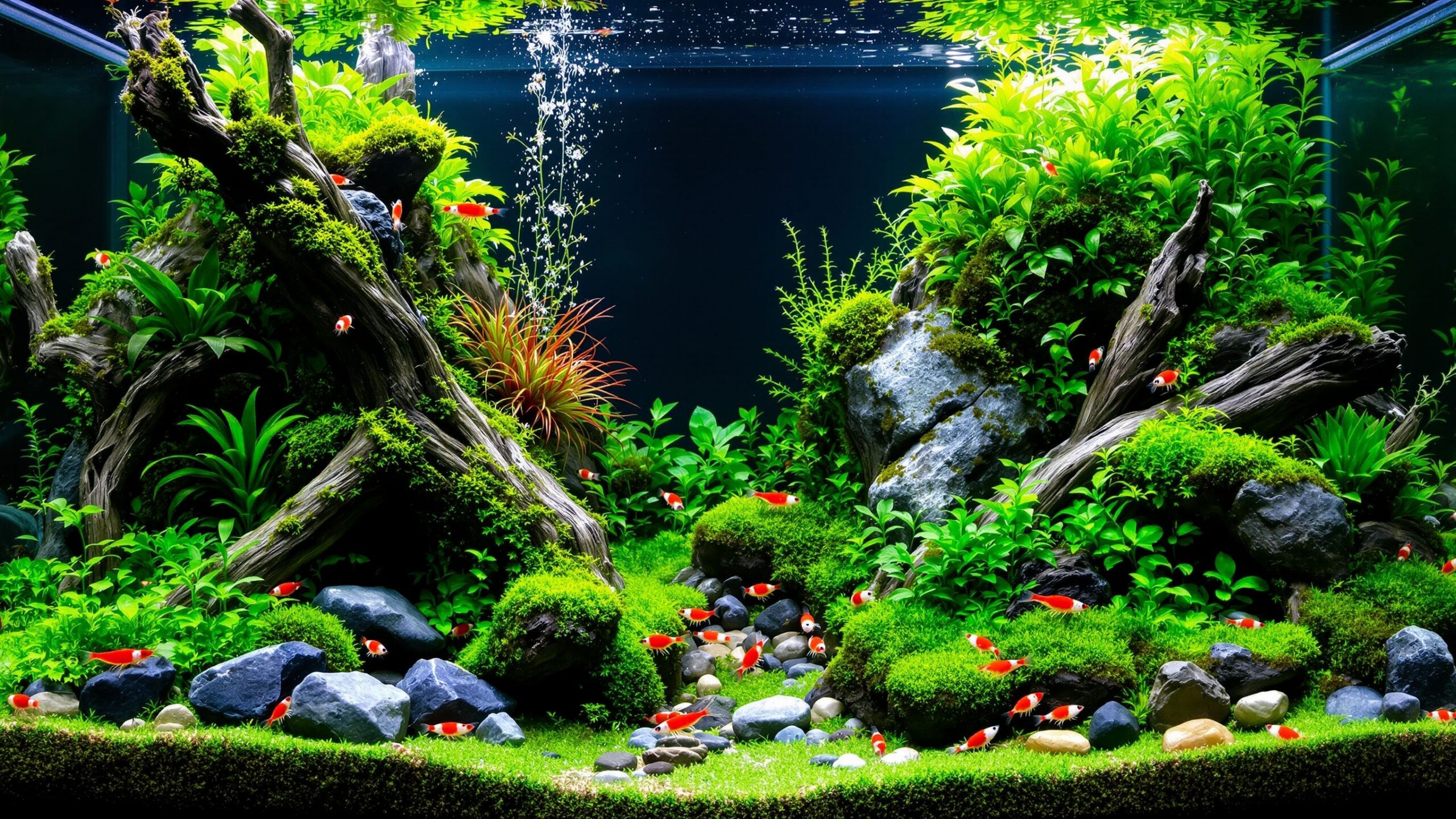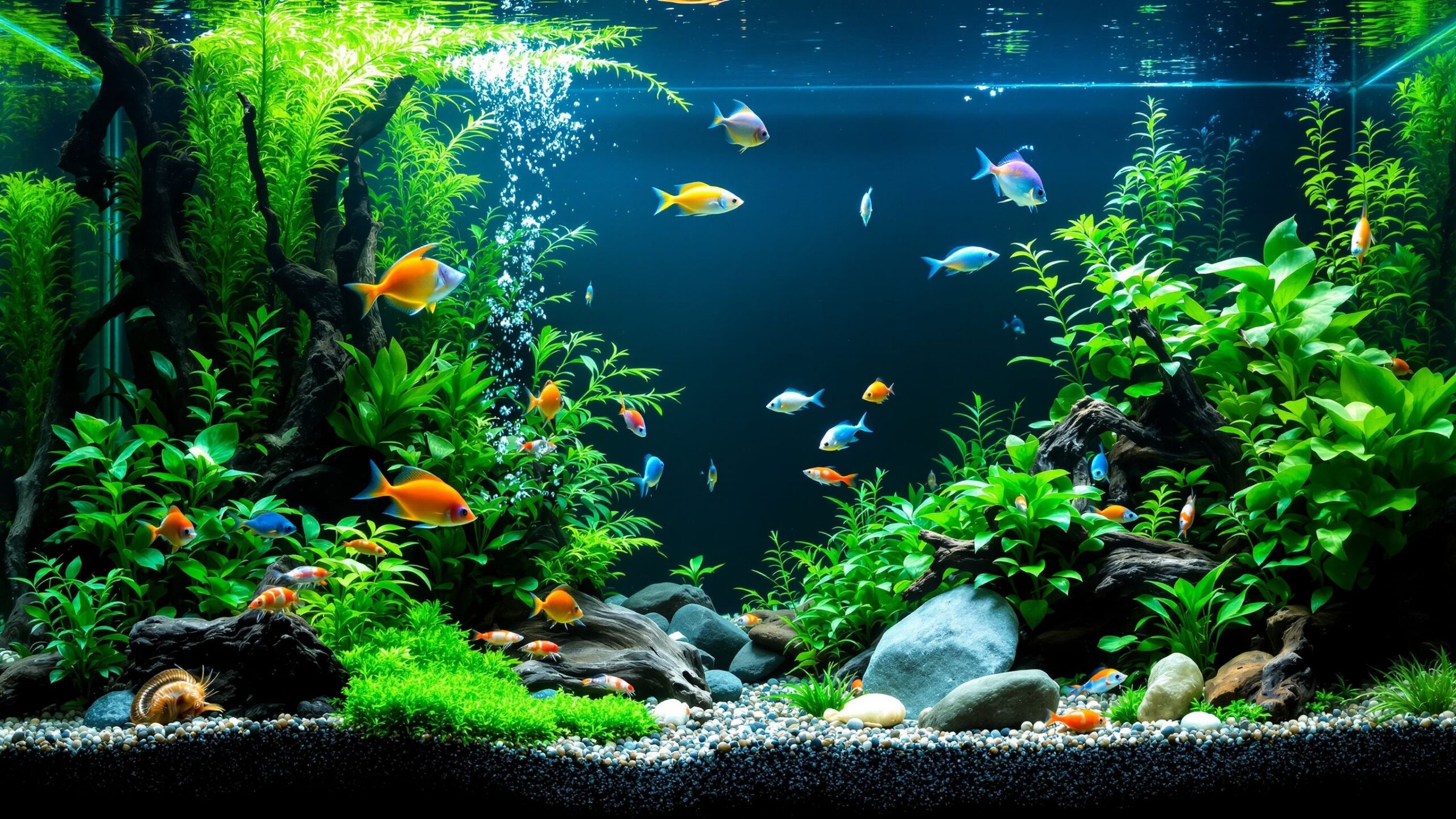
A planted aquarium is much more than a glass box filled with water and greenery. It is a living ecosystem where plants, fish, shrimp, snails, microorganisms, and beneficial bacteria work together to create balance. While aquatic plants often take center stage in beautifully designed aquascapes, the animals living among them play an equally important role. Choosing the right planted tank companions not only creates a more attractive aquarium but also helps maintain cleaner water, healthier plants, and happier inhabitants. Whether you’re setting up your first planted aquarium or perfecting a high-tech aquascape, selecting compatible companions can dramatically improve your tank’s long-term success. Certain fish help control pests, shrimp clean algae from delicate leaves, and snails recycle waste without disturbing plant roots. Meanwhile, peaceful schooling fish bring movement and color that complement the natural beauty of aquatic plants. This ultimate guide explores everything you need to know about choosing the best planted tank companions, from compatibility and behavior to maintenance and ecosystem balance.
A: Peaceful small fish, shrimp, snails, corydoras, rasboras, tetras, and gentle algae grazers are great choices.
A: Yes, but choose peaceful fish and provide dense plants, moss, and hiding places.
A: Most common aquarium snails eat algae and decaying matter, not healthy plants.
A: Bettas can work in planted tanks, but their personality varies and they may chase shrimp or small fish.
A: Avoid aggressive, plant-eating, or heavy-digging fish that can damage the aquascape.
A: Not always, but algae eaters can help if the tank is already balanced and properly maintained.
A: It depends on tank size, filtration, plant density, fish size, and maintenance routine.
A: They may disturb very new or loosely planted stems, but they are usually safe with established plants.
A: Yes, especially with hardy plants, peaceful companions, and simple maintenance habits.
A: A safe companion is peaceful, plant-friendly, compatible with the water conditions, and suited to the tank size.
Why Companion Species Matter in a Planted Aquarium
Unlike traditional fish-only aquariums, planted tanks function as miniature ecosystems. Plants absorb nutrients, release oxygen during photosynthesis, and provide shelter, while fish contribute nutrients through natural waste that fertilizes aquatic vegetation. Shrimp and snails complete the cycle by consuming algae, leftover food, and decaying organic matter.
When these relationships are carefully balanced, the aquarium becomes healthier with less maintenance required. Instead of constantly battling algae or excess waste, your companions help perform many cleaning tasks naturally.
A well-planned planted aquarium creates biological stability. Fish experience lower stress because plants provide security, shrimp find countless hiding places among mosses and roots, and beneficial bacteria thrive on every available surface.
The result is an aquarium that looks increasingly natural over time instead of requiring constant intervention.
What Makes a Great Planted Tank Companion?
Not every aquatic animal belongs in a planted aquarium. Some species uproot plants, dig through substrates, nibble delicate leaves, or produce excessive waste that overwhelms the ecosystem.
Ideal planted tank companions typically share several important characteristics.
They are peaceful toward both plants and tank mates.
They produce moderate amounts of waste.
They rarely disturb roots or aquascaping materials.
They tolerate stable water conditions common in planted tanks.
They contribute positively by eating algae or leftover food.
Their behavior complements a natural environment rather than destroying it.
Species that constantly rearrange decorations or uproot carpeting plants generally cause more frustration than enjoyment in carefully designed aquascapes.
The Best Schooling Fish for Planted Tanks
Schooling fish bring life and movement to planted aquariums without damaging vegetation. Watching dozens of tiny fish weave through dense stems creates one of the most captivating freshwater displays possible.
Neon tetras remain one of the most iconic planted tank species. Their brilliant blue and red coloration contrasts beautifully against lush green plants, making both fish and aquascape stand out.
Cardinal tetras provide similar beauty while growing slightly larger and displaying even richer coloration.
Ember tetras have become increasingly popular thanks to their glowing orange bodies that resemble tiny floating embers among green foliage.
Harlequin rasboras gracefully swim through planted layouts while remaining peaceful toward shrimp, snails, and other community fish.
Glowlight tetras, green neon tetras, black neon tetras, chili rasboras, celestial pearl danios, and rummy nose tetras all make outstanding additions to planted aquariums.
Because these fish naturally school together, keeping groups of at least six to ten individuals allows them to display their most natural behavior.
Nano Fish That Thrive Among Dense Plants
Small planted aquariums have become incredibly popular, especially among aquascaping enthusiasts.
Nano fish fit perfectly into these compact ecosystems because they require little swimming space while adding vibrant activity.
Chili rasboras rank among the smallest freshwater fish available yet display surprisingly bold coloration.
Phoenix rasboras and dwarf rasboras blend beautifully into nature-style aquascapes.
Celestial pearl danios combine metallic blue bodies with bright orange fins, making them resemble living jewels swimming through underwater forests.
Sparkling gouramis remain tiny while offering fascinating personalities and occasional croaking vocalizations.
Endler’s livebearers provide brilliant colors with minimal impact on plants.
Because these fish stay small, they place less strain on biological filtration while allowing aquascapers to maintain delicate layouts filled with carpeting plants and intricate hardscape.
Shrimp: Nature’s Tiny Cleaning Crew
Few planted tank companions contribute as much to aquarium cleanliness as freshwater shrimp.
These tireless scavengers spend virtually every waking moment searching for algae, biofilm, microscopic organisms, and leftover food hidden throughout the aquarium.
Cherry shrimp are among the easiest and most colorful species available. Their brilliant red coloration provides stunning contrast against bright green mosses and carpeting plants.
Blue dream shrimp, yellow goldenback shrimp, orange sakura shrimp, and green jade shrimp offer equally impressive color varieties.
Amano shrimp have earned legendary status among planted tank keepers because of their exceptional appetite for algae. They often consume nuisance algae that many fish ignore, making them valuable additions to mature planted aquariums.
Ghost shrimp provide an inexpensive option for hobbyists seeking algae control without investing in specialty shrimp varieties.
Dense plant growth gives shrimp numerous hiding places, encouraging breeding colonies that gradually expand over time.
Snails That Help Rather Than Harm
Many beginners mistakenly assume all aquarium snails are pests.
In reality, several species provide outstanding maintenance benefits while leaving healthy plants untouched.
Nerite snails rank among the best algae eaters available. They consume green spot algae, film algae, and other stubborn growth from glass, rocks, and decorations.
Unlike many freshwater snails, nerites cannot successfully reproduce in freshwater, preventing population explosions.
Mystery snails bring personality and fascinating behavior while helping consume leftover food and decaying plant matter.
Ramshorn snails often receive mixed opinions, but in balanced numbers they help recycle waste and clean plant surfaces.
Malaysian trumpet snails naturally burrow through substrates, gently aerating planted soils while reducing compacted areas around plant roots.
Healthy snails serve as valuable members of the cleanup crew rather than unwanted invaders.
Bottom-Dwelling Fish That Love Plants
The lower portion of a planted aquarium offers another opportunity to introduce peaceful companions.
Corydoras catfish remain among the most beloved bottom dwellers in the aquarium hobby. Their playful personalities, constant activity, and peaceful nature make them ideal community fish.
Pygmy corydoras work especially well in smaller planted aquariums because of their compact size.
Otocinclus catfish specialize in consuming soft algae from plant leaves without damaging delicate foliage. These gentle algae eaters thrive in mature planted aquariums rich in natural biofilm.
Kuhli loaches weave gracefully between roots, stones, and dense vegetation while remaining almost entirely peaceful.
These species help utilize lower areas of the aquarium without disturbing carefully planted substrates.
Fish That Should Usually Be Avoided
Some beautiful aquarium fish simply do not belong in planted tanks.
Large goldfish constantly uproot vegetation while producing enormous amounts of waste.
Common plecos eventually grow far too large and often scrape delicate plants while feeding.
Silver dollars enthusiastically consume many aquatic plants, sometimes destroying months of aquascaping work overnight.
Large cichlids frequently dig extensive pits, rearrange hardscape, and uproot stem plants.
Oscars, flowerhorns, and similar species prioritize territory over landscaping.
Certain barbs and aggressive fish may also nip plants or stress peaceful companions.
Researching each species before purchasing prevents costly mistakes and protects both plants and animals.
Matching Fish to Different Aquascaping Styles
Every planted aquarium has its own personality.
Nature aquariums featuring driftwood and dense forests pair beautifully with tetras, rasboras, shrimp, and corydoras.
Dutch-style aquascapes showcase colorful stem plants, making schooling fish the perfect visual complement without distracting from the vibrant plant arrangements.
Iwagumi layouts use open stone landscapes with carpeting plants. Small schooling fish such as ember tetras or celestial pearl danios maintain the minimalist aesthetic.
Jungle aquariums filled with towering vegetation suit gouramis, pencilfish, hatchetfish, and peaceful community species that enjoy shaded environments.
Matching livestock to the aquascape style enhances the overall visual harmony.
Creating a Balanced Cleanup Crew
No planted aquarium is complete without an effective cleanup crew.
Rather than relying on one species to handle every maintenance task, combining multiple cleaners creates greater efficiency.
Shrimp excel at removing biofilm from plant leaves.
Otocinclus clean delicate algae.
Nerite snails scrape glass and hard surfaces.
Malaysian trumpet snails improve substrate health.
Corydoras consume uneaten food that reaches the bottom.
Together, these species tackle different maintenance responsibilities without competing heavily for identical food sources.
This diversity creates a healthier ecosystem while reducing manual cleaning.
Plant Density Improves Fish Health
One overlooked benefit of planted aquariums is how dramatically plants improve fish welfare.
Dense vegetation creates natural territories that reduce aggression between fish.
Floating plants soften bright lighting, helping timid species feel secure.
Fine-leaved plants provide spawning locations for egg-laying fish.
Mosses protect newborn shrimp and fry from predators.
Healthy plants also stabilize water chemistry by absorbing excess nutrients, reducing ammonia spikes, and improving oxygen availability during daylight hours.
Fish kept among abundant plants frequently display brighter coloration, increased breeding activity, and more natural behaviors compared to sparsely decorated aquariums.
Feeding Your Aquarium Community
Balanced feeding supports both plants and animals.
Most community fish thrive on high-quality flakes, micro pellets, frozen foods, and occasional live foods.
Shrimp appreciate algae wafers, blanched vegetables, shrimp pellets, and naturally occurring biofilm.
Snails benefit from calcium-rich foods that strengthen shell growth.
Avoid overfeeding, as excess nutrients often fuel algae growth that overwhelms planted aquariums.
Interestingly, lightly fed cleanup crews remain more motivated to search for algae and leftover debris throughout the aquarium.
Moderation supports healthier water quality while encouraging natural foraging behavior.
Water Parameters That Keep Everyone Happy
Fortunately, many popular planted tank companions share similar environmental preferences.
Most thrive in temperatures between 72°F and 78°F.
Slightly acidic to neutral water generally supports healthy plant growth while accommodating tetras, rasboras, shrimp, and corydoras.
Stable water conditions matter far more than chasing perfect numbers.
Regular water changes, proper filtration, adequate circulation, and consistent fertilization create healthier aquariums than constantly adjusting pH or hardness.
Using dechlorinated water and allowing aquariums to fully cycle before introducing livestock dramatically increases long-term success.
Common Compatibility Mistakes
Many beginners accidentally combine incompatible species despite good intentions.
Keeping shrimp alongside large predatory fish often results in disappearing shrimp.
Mixing aggressive territorial fish with peaceful schooling species creates chronic stress.
Overstocking planted tanks may overwhelm filtration despite the presence of healthy plants.
Choosing algae eaters without researching adult size sometimes leads to oversized fish unsuitable for smaller aquascapes.
Ignoring schooling requirements also affects fish welfare. Species naturally living in groups become shy, stressed, or unhealthy when kept individually.
Planning livestock around compatibility instead of appearance creates a far more successful aquarium.
Encouraging Natural Behaviors
One of the greatest joys of planted aquariums is observing natural animal behavior.
Schooling fish swim confidently through open spaces before disappearing into dense vegetation.
Shrimp carefully inspect every leaf for microscopic food.
Snails slowly polish driftwood and rocks.
Corydoras sift gently through fine substrates.
Kuhli loaches emerge from hidden caves after lights dim.
Providing driftwood, caves, leaf litter, floating plants, mosses, and varied plant heights encourages these fascinating behaviors while reducing stress.
The aquarium becomes less of a display and more of a functioning ecosystem.
Long-Term Success Comes from Balance
The healthiest planted aquariums are rarely the ones with the most expensive equipment. Instead, they succeed because every living component supports the others. Plants improve water quality, fish provide nutrients, shrimp recycle organic waste, snails clean surfaces, and beneficial bacteria complete the nitrogen cycle.
Rather than viewing fish, shrimp, and snails as separate additions, think of them as members of one carefully balanced community. Every species contributes something unique, whether it is beauty, algae control, waste management, or simply natural behavior that brings the aquarium to life.
As your planted tank matures, this balance becomes increasingly stable. Plants grow more vigorously, algae often becomes easier to manage, and your companions display richer colors and healthier behavior. The result is an underwater landscape that changes subtly every day while remaining remarkably self-sustaining.
Final Thoughts
Choosing the right planted tank companions transforms an ordinary aquarium into a thriving underwater ecosystem filled with life, color, and natural interaction. Peaceful schooling fish provide graceful movement, shrimp tirelessly clean delicate plants, snails maintain hard surfaces, and bottom dwellers keep the substrate tidy without disturbing carefully arranged aquascapes. Together, these species create a harmonious environment where every organism contributes to the health of the system.
Success ultimately comes from thoughtful planning rather than simply adding attractive animals. Selecting compatible species, maintaining stable water conditions, providing abundant plant cover, and allowing nature to establish balance will reward you with an aquarium that grows more beautiful over time. Whether your goal is a lush jungle tank, an elegant nature aquascape, or a minimalist planted display, the right companions will help create a vibrant aquatic world that remains healthy, fascinating, and enjoyable for years to come.