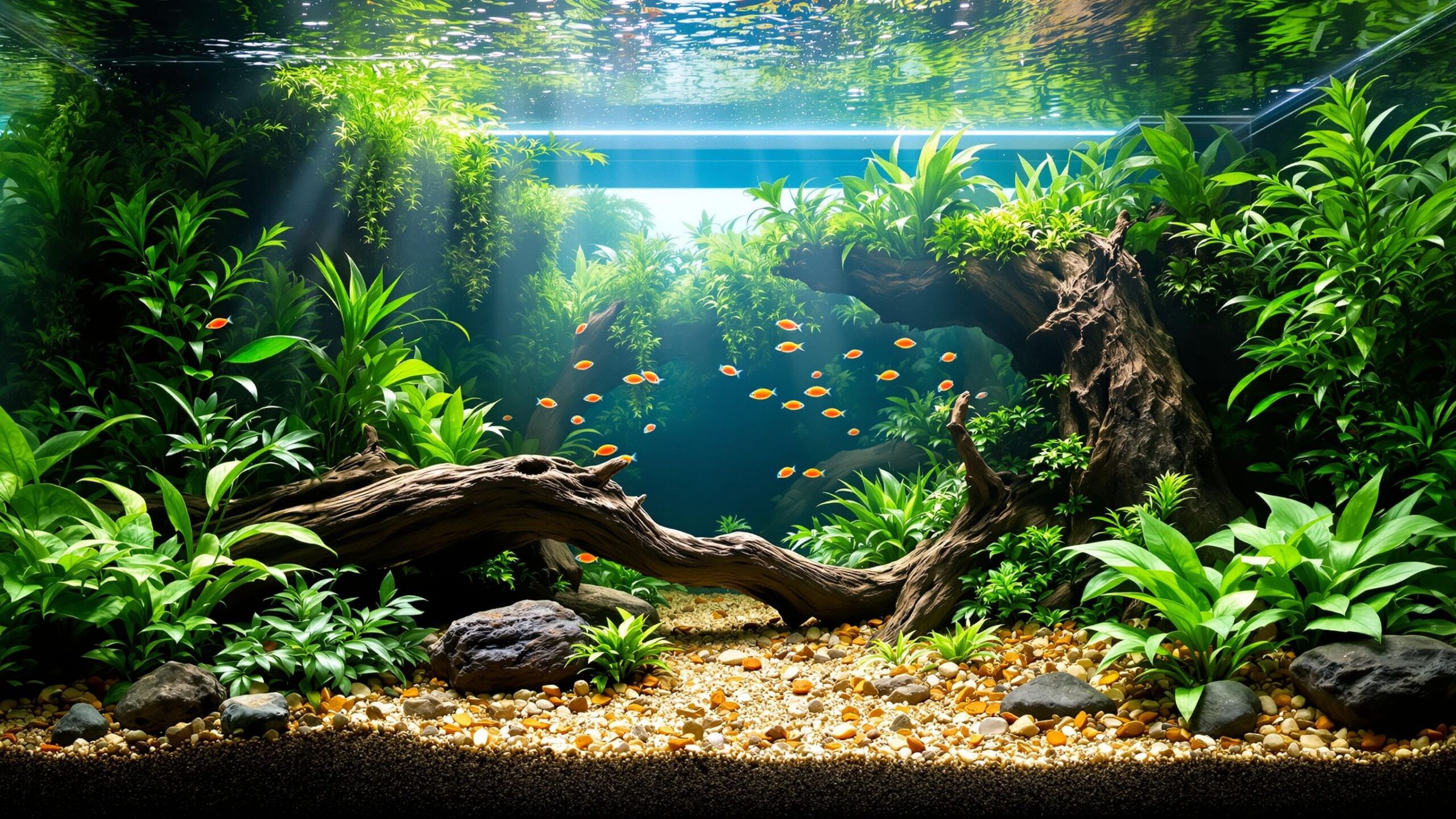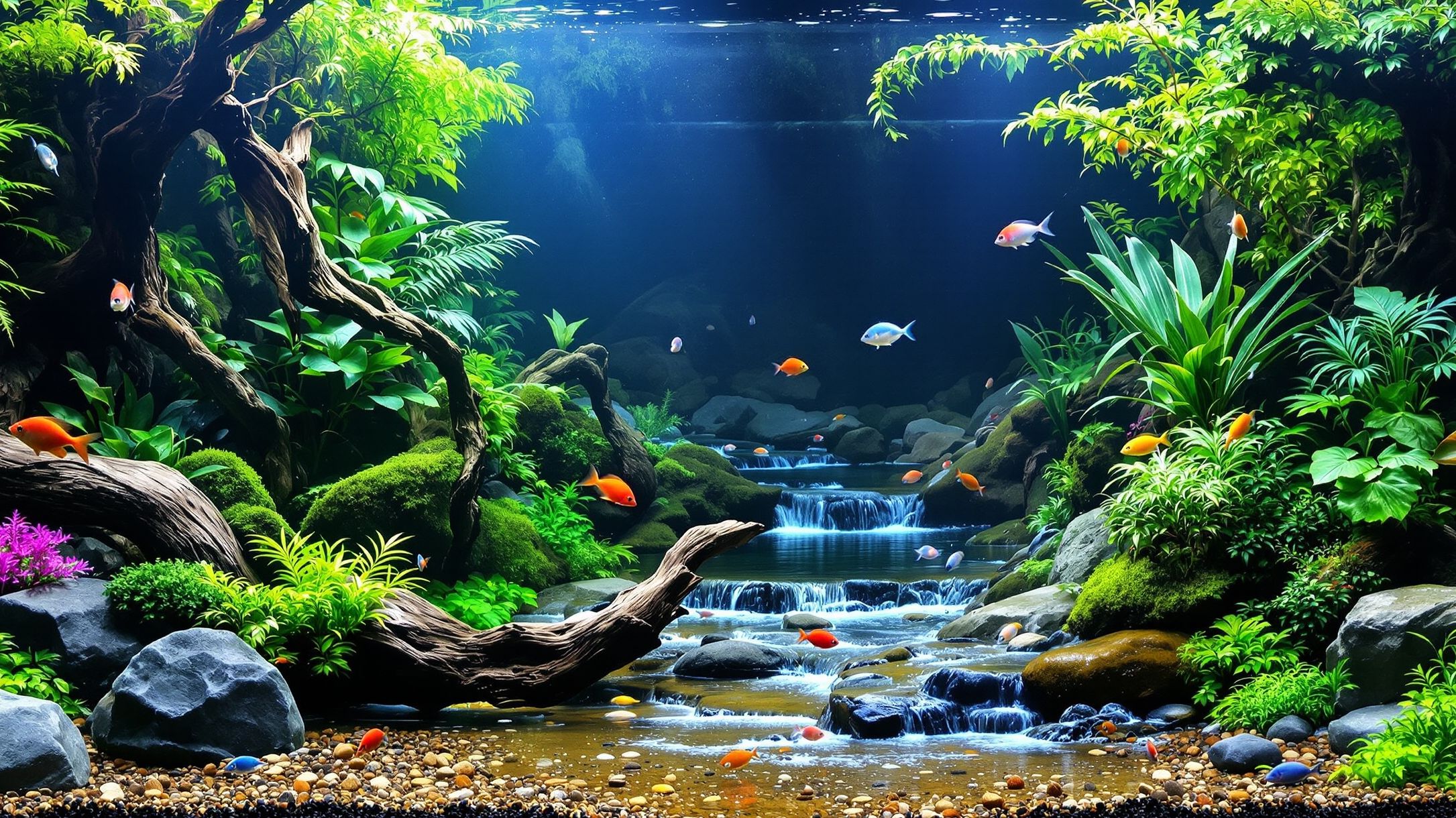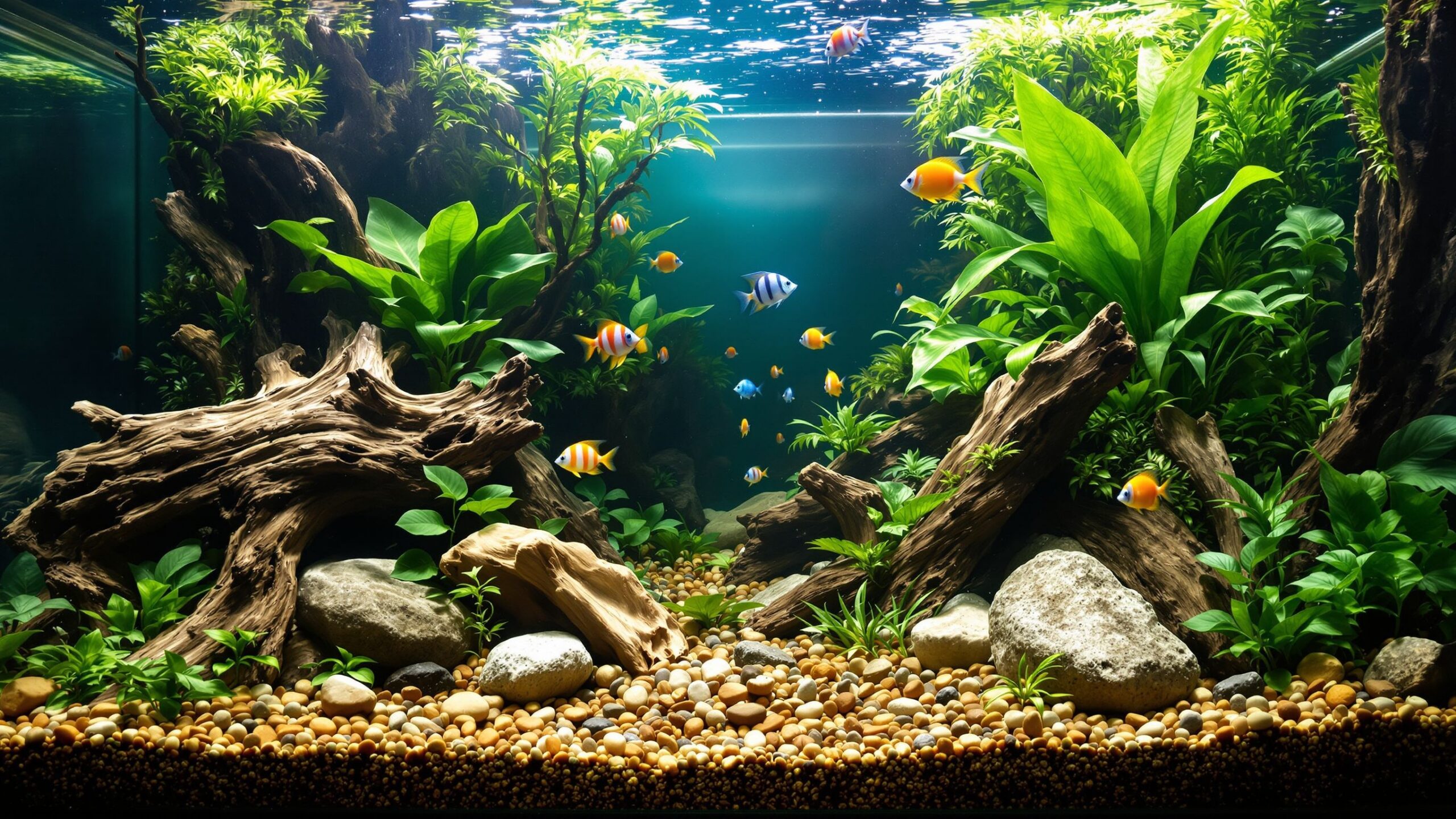
Biotope aquariums have become one of the most respected and rewarding branches of the aquarium hobby. Unlike traditional aquariums that focus primarily on aesthetics or colorful fish combinations, biotope aquariums aim to recreate a specific natural habitat as accurately as possible. Every aspect of the aquarium, from the water chemistry and substrate to the fish and plants, should reflect a real ecosystem found somewhere in the world. For newcomers, this level of authenticity can be both exciting and challenging. Many beginners approach a biotope aquarium the same way they would a standard community tank, only to discover that recreating nature requires more planning, research, and attention to detail. Small mistakes can reduce realism, stress fish, and undermine the entire concept of the biotope. Fortunately, most beginner errors are easy to avoid once you understand what makes a successful biotope aquarium. Learning from the experiences of other aquarists can save time, money, and frustration while helping you create a thriving aquatic habitat that truly reflects nature.
A: Mixing fish, plants, and décor from unrelated habitats instead of following one natural location.
A: No, but they should be researched, consistent, and respectful of the chosen ecosystem.
A: Yes, especially if they start with hardy fish, simple décor, and stable water parameters.
A: Choose the habitat first, then select fish and materials that naturally belong there.
A: Not always. Some real habitats have few or no aquatic plants.
A: Not necessarily. In blackwater biotopes, tannin-stained water can be natural and healthy.
A: Natural materials usually look better and support a more authentic biotope design.
A: Research adult fish size, group needs, territory, and swimming behavior before buying.
A: Most biotopes need standard gear, but flow, lighting, substrate, and filtration should match the habitat.
A: A simple stream, riverbank, or leaf-litter setup with hardy small fish is often a great start.
Mistake #1: Choosing a Region Instead of a Specific Habitat
One of the most common mistakes beginners make is selecting an entire continent or country rather than focusing on a specific ecosystem.
A hobbyist might decide to create a “South American biotope” without narrowing the project further. The problem is that South America contains thousands of different habitats, including blackwater streams, clearwater rivers, flooded forests, rocky rapids, and wetlands. Fish and plants from these environments may never naturally encounter one another.
A successful biotope aquarium focuses on a precise location or habitat type. Instead of recreating all of South America, choose an Amazon blackwater stream, an Orinoco River tributary, or a flooded forest ecosystem. This creates a more realistic and believable aquarium while making research much easier.
Mistake #2: Mixing Fish From Different Continents
Many aquarium hobbyists are accustomed to community tanks where fish from around the world coexist. In a biotope aquarium, however, geographic accuracy matters.
A common beginner mistake involves combining fish from different continents simply because they look attractive together. For example, placing South American tetras alongside Asian gouramis and African cichlids creates a display that would never exist in nature.
The goal of a biotope aquarium is to represent a real ecosystem. Research the fish species that naturally inhabit your chosen habitat and focus on recreating those natural communities whenever possible.
Fish often display more authentic behaviors when housed with species they would encounter in the wild, making the aquarium more enjoyable and educational.
Mistake #3: Ignoring Natural Water Parameters
Many beginners pay attention to decorations and fish selection while overlooking one of the most important aspects of a biotope aquarium: water chemistry.
Different habitats have dramatically different water conditions. Amazon blackwater streams are typically soft and acidic, while African Rift Lakes are known for hard, alkaline water. Attempting to keep fish in inappropriate water conditions can lead to stress, disease, poor coloration, and shortened lifespans.
Before purchasing fish, learn the natural water parameters of your chosen habitat. Understanding pH, hardness, temperature, and dissolved minerals will help create a healthier and more realistic environment.
Authentic water conditions often play a major role in encouraging natural behaviors and successful breeding.
Mistake #4: Prioritizing Appearance Over Authenticity
It can be tempting to add decorative elements simply because they look attractive. Bright ornaments, colorful gravel, and artificial decorations may enhance visual appeal for some hobbyists, but they often conflict with the purpose of a biotope aquarium.
The beauty of a biotope comes from its realism. Natural materials such as driftwood, stones, leaves, roots, and sand create a far more convincing habitat than artificial decorations.
Many beginners discover that natural ecosystems possess their own unique beauty. Fallen leaves, weathered branches, and subtle earth tones often create displays that feel more immersive and visually satisfying than brightly colored decorations.
Mistake #5: Using Plants That Do Not Belong
Aquatic plants can greatly enhance an aquarium, but they must fit the chosen ecosystem.
A common mistake occurs when hobbyists add plants from completely different regions of the world. An Amazon biotope filled with Asian stem plants may still look beautiful, but it loses ecological accuracy.
Some habitats naturally contain abundant vegetation, while others contain very little plant life at all. African Rift Lake biotopes, for example, often feature sparse plant growth compared to tropical river systems.
Researching native aquatic plants helps create a more authentic aquarium and strengthens the overall biotope concept.
Mistake #6: Overcrowding the Aquarium
Many beginners assume that adding more fish will make the aquarium more interesting. In reality, overcrowding is one of the quickest ways to reduce realism and create maintenance challenges.
Natural ecosystems often contain large open areas where fish have room to establish territories, forage, and interact naturally. An overcrowded aquarium can create constant competition and stress.
Instead of focusing on quantity, focus on behavior and habitat accuracy. A smaller number of fish behaving naturally is often more captivating than a crowded tank filled with activity.
Providing adequate space allows fish to display their natural movements and social structures more effectively.
Mistake #7: Neglecting Research
Research is the foundation of every successful biotope aquarium. Unfortunately, many beginners underestimate its importance.
Without proper research, aquarists may choose inappropriate fish, incorrect substrates, or unrealistic layouts. A few hours of investigation can prevent months of frustration later.
Photographs of natural habitats provide valuable information about the appearance of riverbeds, vegetation, water coloration, and structural elements. Scientific articles, field reports, and biotope forums can offer additional insights.
The more you learn about a habitat before building the aquarium, the more authentic the final result will be.
Mistake #8: Making the Aquarium Too Clean
Many hobbyists are accustomed to pristine aquascapes with perfectly trimmed plants and spotless substrates. Nature rarely looks that way.
Streams, rivers, and lakes often contain leaf litter, fallen branches, scattered stones, and natural debris. These features provide shelter, feeding opportunities, and environmental complexity.
Beginners sometimes remove every leaf or piece of organic material because they believe it makes the aquarium look messy. In reality, these natural elements often enhance realism and help replicate the conditions fish experience in the wild.
Allowing certain natural materials to remain in the aquarium can improve both appearance and biological function.
Mistake #9: Choosing Difficult Species Too Soon
Some biotope fish are relatively easy to care for, while others require specialized conditions and advanced knowledge.
Beginners are sometimes attracted to rare or delicate species without fully understanding their requirements. Fish from extreme blackwater habitats, highly specialized streams, or remote ecosystems can be challenging to maintain.
Starting with hardy species allows hobbyists to gain experience before attempting more demanding projects. Many beginner-friendly fish can still be incorporated into highly authentic biotope aquariums.
Success with simpler species builds confidence and creates a strong foundation for future projects.
Mistake #10: Forgetting About Fish Behavior
A biotope aquarium should not only look natural but also function naturally.
Many beginners focus entirely on visual design while overlooking fish behavior. Some species require territories, hiding spots, open swimming areas, or specific environmental features.
A habitat may appear accurate to human observers but still fail to meet the needs of its inhabitants. Understanding how fish interact with their environment is essential when designing the layout.
When fish are given appropriate surroundings, they often display fascinating behaviors rarely seen in conventional aquariums.
Mistake #11: Using Incorrect Substrates
The substrate forms the foundation of the aquarium and plays a major role in creating realism.
Many beginners select substrate based solely on appearance without considering what exists in the natural habitat. Brightly colored gravel may look appealing but would be completely out of place in most biotopes.
Different ecosystems contain different substrates. Some streams feature fine sand, while others contain gravel, rocks, mud, or organic debris.
Matching the substrate to the habitat improves both authenticity and fish comfort.
Mistake #12: Ignoring Seasonal Variations
Nature changes throughout the year. Water levels rise and fall, vegetation shifts, and environmental conditions fluctuate.
While beginners often create static displays, advanced biotope aquarists sometimes incorporate seasonal changes into their aquariums. This may involve adjusting water levels, lighting schedules, or environmental features.
Although not essential for beginners, understanding seasonal influences helps create a deeper appreciation for natural ecosystems.
Even simple seasonal adjustments can make an aquarium feel more dynamic and realistic.
Mistake #13: Expecting Instant Results
Many newcomers expect a biotope aquarium to look perfect immediately after setup. Natural ecosystems take time to develop.
Driftwood gradually acquires character. Leaves settle naturally. Biological processes stabilize. Fish become comfortable and begin displaying natural behaviors.
Patience is one of the most important qualities a biotope aquarist can possess. Rushing the process often leads to unnecessary changes and frustration.
Allowing the aquarium to mature naturally produces far better results in the long run.
Mistake #14: Overcomplicating the Design
Some beginners try to include every possible feature within a single aquarium. They add numerous plant species, multiple substrate types, and excessive decorations in an attempt to create realism.
Ironically, nature is often simpler than people expect.
Many habitats are dominated by just a few key elements. A blackwater stream may consist primarily of sand, driftwood, and leaves. A rocky African shoreline may contain little more than stones and open water.
Focusing on the defining characteristics of the habitat often creates a stronger and more authentic design.
Mistake #15: Losing Sight of the Habitat
Perhaps the most significant mistake beginners make is treating a biotope aquarium as a decorative project rather than an ecological recreation.
The habitat should always guide decisions. Every fish, plant, rock, and branch should contribute to the overall representation of a real ecosystem.
When authenticity becomes the primary goal, the aquarium naturally develops a cohesive appearance. Rather than looking like a collection of attractive elements, it becomes a believable slice of nature.
This mindset transforms biotope aquariums from simple displays into living ecosystems that educate, inspire, and captivate.
Conclusion
Creating a biotope aquarium is one of the most rewarding experiences in fishkeeping, but success depends on avoiding common beginner mistakes. Choosing a specific habitat, researching thoroughly, matching fish and plants correctly, maintaining authentic water conditions, and prioritizing realism over decoration all contribute to a more accurate and enjoyable aquarium.
The best biotope aquariums are not necessarily the most expensive or elaborate. They are the ones that faithfully capture the essence of a natural ecosystem and allow fish to thrive in surroundings that closely resemble their wild homes. By learning from these common mistakes and approaching the project with patience and curiosity, beginners can create stunning biotope aquariums that look, feel, and function like genuine pieces of nature.