
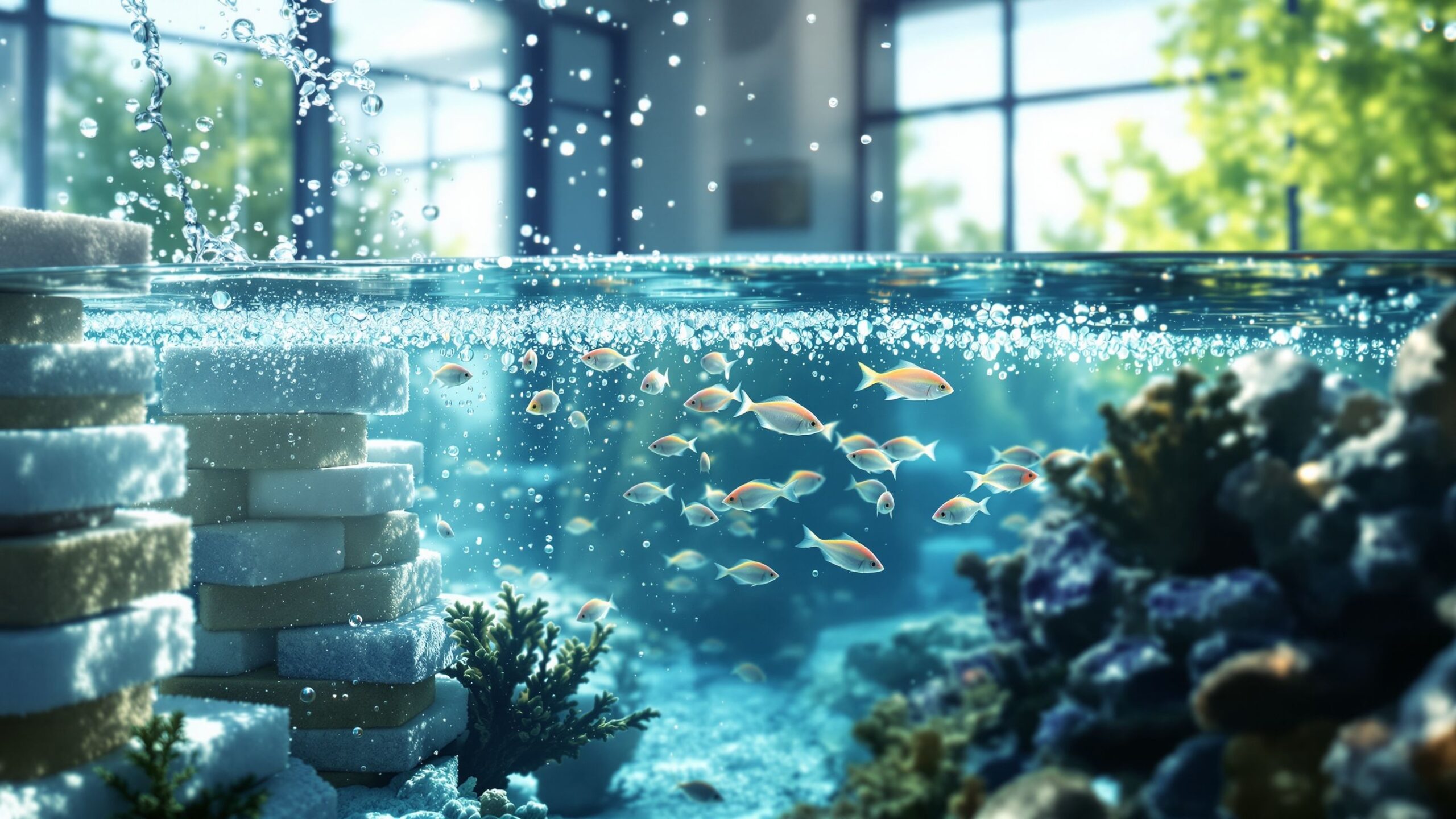
Filtration & Media Systems are the silent engines of every thriving aquarium — tirelessly polishing water, stabilizing chemistry, and protecting the delicate balance your aquatic world depends on. Behind the scenes, mechanical, biological, and chemical filtration work together like a finely tuned life-support network, transforming cloudy uncertainty into crystal-clear brilliance. Whether you’re fine-tuning a nano tank, engineering a high-flow reef setup, or upgrading a freshwater community habitat, understanding filtration unlocks healthier fish, stronger corals, and a more resilient ecosystem.
In this section of Aquarium Street, you’ll dive into the science, strategy, and smart gear choices that separate average tanks from extraordinary ones. Explore filter types, media combinations, maintenance routines, and performance hacks designed to boost clarity, reduce toxins, and keep your system running smoothly. From beginner-friendly guides to deep technical breakdowns, everything here helps you build water quality you can see — and stability your livestock can feel. Because in aquariums, pristine water isn’t just aesthetics — it’s survival, vitality, and the foundation of underwater success.
A: When flow noticeably drops or debris builds up—many tanks land around every 2–4 weeks for mechanical stages, less often for bio media.
A: Usually no; that can remove beneficial bacteria. Rinse and reuse, or switch to sponge/ceramic media you can maintain long-term.
A: Mechanical first (coarse to fine), biological next (ceramic/sponge), chemical last (carbon/resins) if you’re using it.
A: Avoid it for bio media; chlorine can harm bacteria. Rinse in old tank water during a water change.
A: Not required for most tanks. Use it when you need it (odor, tannins, clearing meds), then remove or replace.
A: Intake sponge, intake tube, impeller well, and any kinked hoses. Clogs and impeller debris are the usual culprits.
A: It could be a bacterial bloom, stirred detritus, or fine particles. Improve mechanical staging and avoid overfeeding; add temporary polishing floss if needed.
A: Yes—many people pair a HOB/canister for polishing with a sponge filter for stable bio and backup oxygenation.
A: A small ammonia/nitrite spike after disrupting bacteria. Prevent it by not replacing all media at once and avoiding aggressive cleaning.
A: Usually not as a first step. Fix lighting, feeding, and maintenance; chemical removers can help in specific cases but shouldn’t be the only strategy.