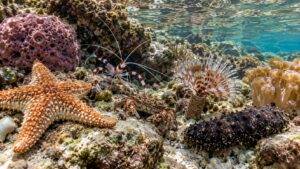
Marine Invertebrate Kingdoms dives into the extraordinary world of spineless wonders that quietly power marine aquariums. From intricate cleaners and grazers to colorful showstoppers and natural engineers, invertebrates form the backbone of healthy reef systems. This section explores shrimp, crabs, snails, starfish, anemones, mollusks, and other fascinating species that bring motion, balance, and unexpected personality to saltwater tanks. Often overlooked in favor of fish, these creatures play critical roles—recycling nutrients, controlling algae, aerating sand beds, and forming symbiotic partnerships that keep reef ecosystems thriving. You’ll discover how different invertebrates interact with corals and fish, which species are reef-safe, and how tank size, water stability, and feeding habits influence success. Whether you’re building a nano reef cleanup crew or showcasing statement invertebrates in a larger display, Marine Invertebrate Kingdoms offers insight, inspiration, and practical knowledge. This hub celebrates the diversity, beauty, and importance of marine invertebrates—revealing how these small but mighty residents transform aquariums into living, balanced underwater worlds.
A: They’re more sensitive to changes, but thrive with stable care.
A: Yes—many tanks focus entirely on invert diversity.
A: Often yes—especially shrimp, stars, and filter feeders.
A: Salinity swings, contamination, or acclimation shock are common causes.
A: No—some are opportunistic predators.
A: Most reef-safe inverts coexist well with corals.
A: 30–60 minutes; longer for stars and urchins.
A: Yes, but balance and proper species choice matter.
A: Only if testing shows depletion.
A: Rapid changes in salinity and contamination.

Marine Invertebrate Identification Guide
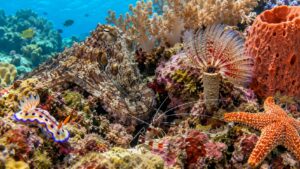
A marine invertebrate identification guide should begin with shape, movement, texture, and habitat rather than memorizing names. Ocean animals without backbones include sea stars, shrimp, crabs, worms, jellyfish, sponges, corals, clams, nudibranchs,
The Most Fascinating Ocean Invertebrates Explained
The most fascinating ocean invertebrates are fascinating because they solve life in the sea with astonishing variety. An octopus can squeeze, taste, camouflage, and problem-solve. A sponge can feed by filtering water through a living body full of cha
Why Marine Invertebrates Are Essential to Ocean Ecosystems
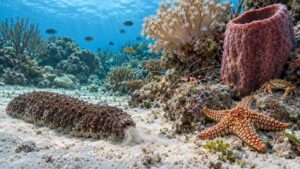
Marine invertebrates are essential to ocean ecosystems because they filter water, recycle nutrients, build habitat, move sand, feed other animals, and keep the seafloor from becoming biologically stagnant. They may lack backbones, but they hold many
