
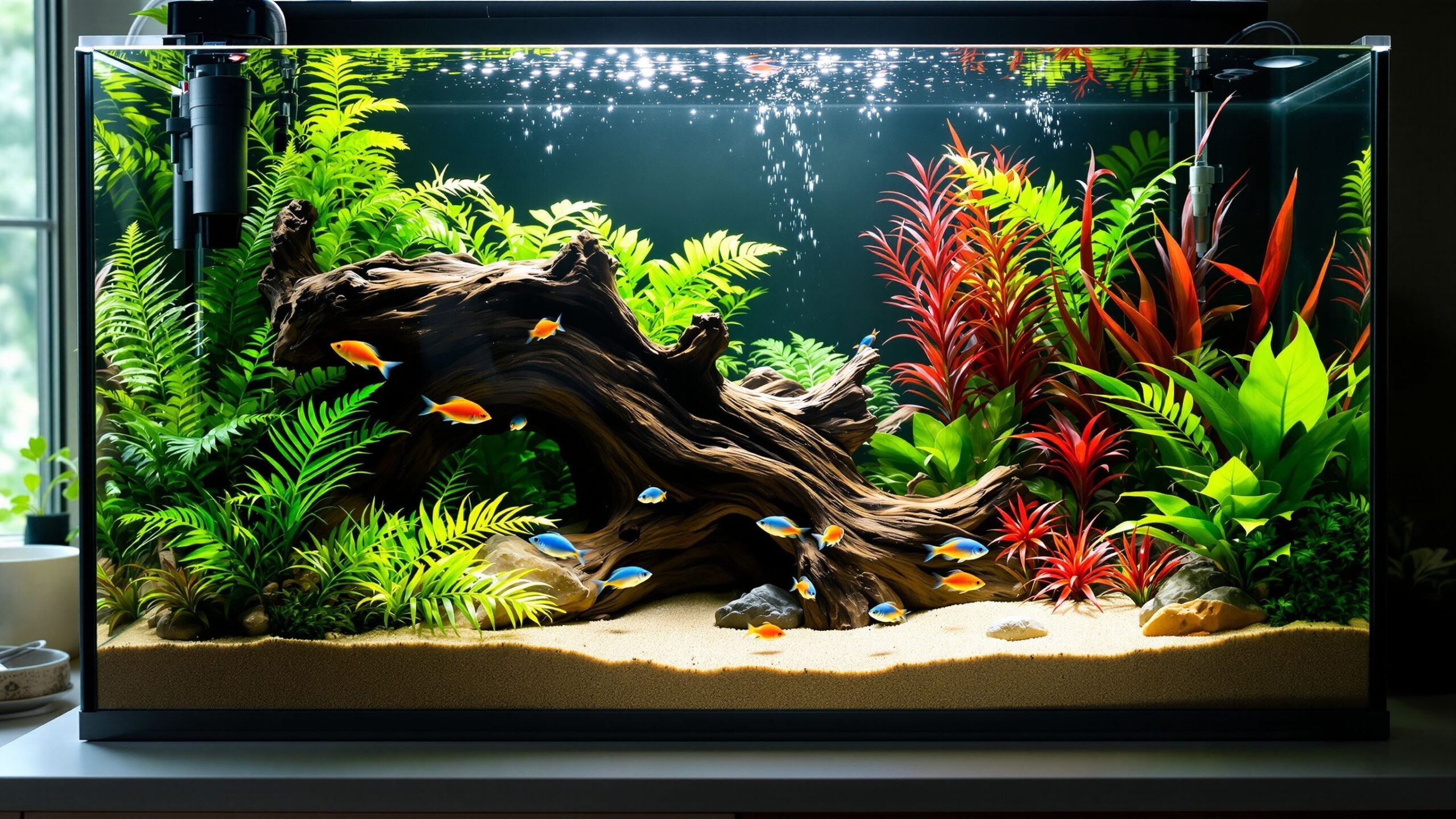
Aquatic ecosystems are among the most beautiful and fragile environments on Earth, balancing life through delicate interactions between species, water chemistry, and habitat conditions. From freshwater rivers and lakes to vibrant coral reefs, these ecosystems face growing pressures from pollution, climate change, and human activity. Sustainability and conservation are no longer optional—they are essential to preserving the underwater worlds we admire and depend on. In this section, you’ll explore how science, responsibility, and innovation come together to protect aquatic life. Learn about sustainable aquarium practices, ethical sourcing of fish and corals, habitat restoration efforts, and the global challenges impacting marine and freshwater ecosystems. Discover how small choices—like water management, energy use, and species selection—can make a meaningful difference. Whether you’re an aquarist, nature enthusiast, or curious learner, these articles will guide you toward a deeper understanding of conservation. Together, we can protect and sustain the ecosystems that inspire wonder, support biodiversity, and keep the rhythm of aquatic life alive for generations to come.
A: Yes, they are often more sustainable and better adapted to aquarium life.
A: No, releasing aquarium species can harm native ecosystems and is often illegal.
A: Use efficient equipment, conserve water, and choose responsibly sourced livestock.
A: Not necessarily; some are responsibly collected under regulated practices.
A: Habitat destruction, pollution, and climate change are major global threats.
A: Yes, when managed properly, it reduces pressure on wild populations.
A: It helps ecosystems stay stable and resilient to change.
A: Yes, informed choices and education can influence sustainable practices.
A: They involve avoiding harmful chemicals and supporting ethical sourcing.
A: Look for transparency, certifications, and captive-bred or sustainably sourced claims.