
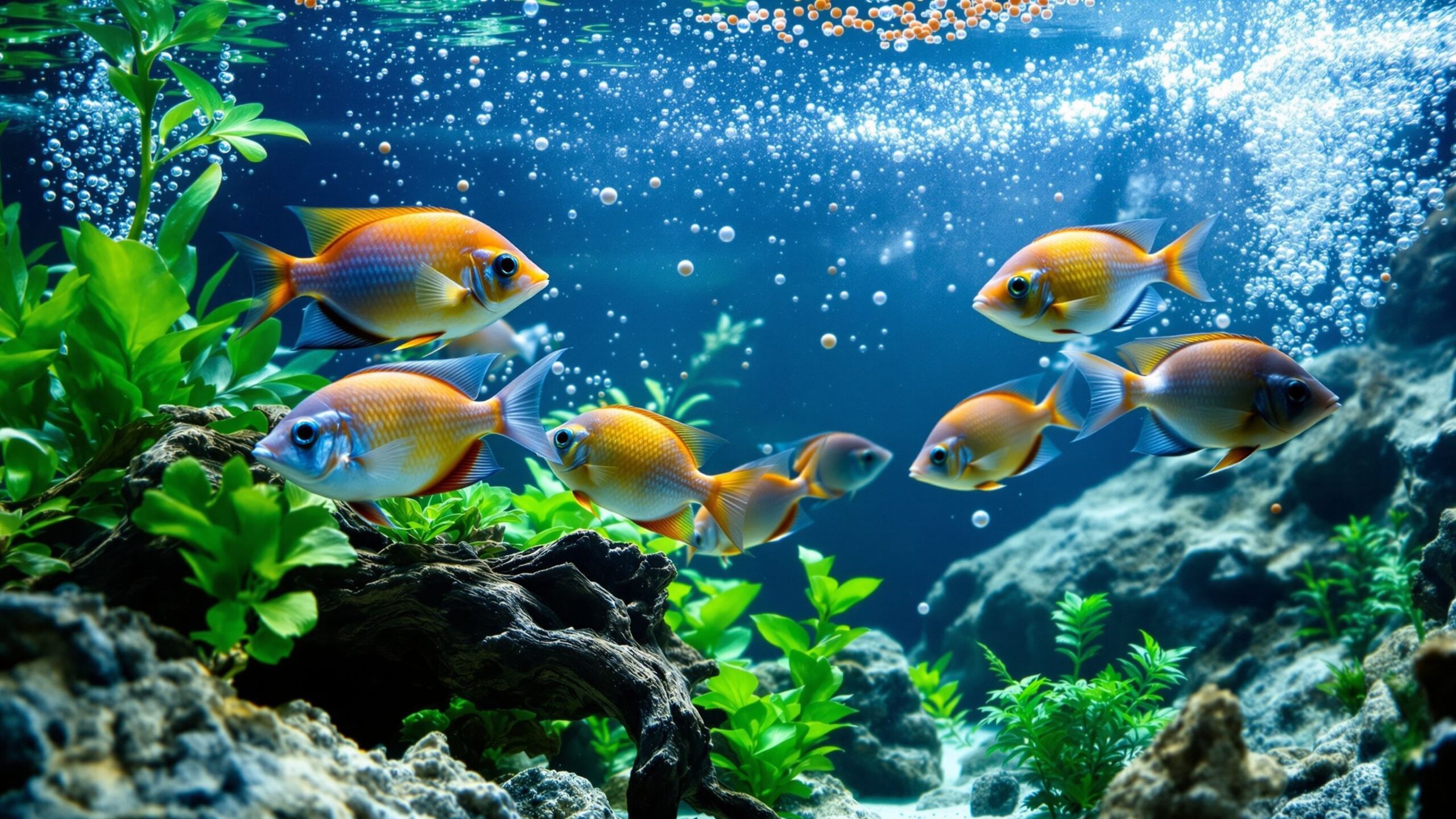
Beneath the shimmering surface of every thriving aquarium lies an invisible science: nutrition. “Species Nutrition & Feeding Systems” dives into the art and biology of feeding freshwater and saltwater life with precision, purpose, and care. From herbivorous grazers and omnivorous scavengers to protein-hungry predators, every species has evolved unique dietary needs that shape its color, growth rate, immunity, and behavior. Getting feeding right isn’t just about dropping in flakes—it’s about understanding metabolic rhythms, nutrient balance, live food cultures, pellet formulations, and automated delivery systems that mirror nature’s timing.
On Aquarium Street, this hub explores species-specific diets, feeding frequency strategies, fry nutrition, coral supplementation, and the science behind vitamins, amino acids, and trace elements. You’ll discover how overfeeding disrupts water chemistry, how underfeeding weakens immunity, and how targeted nutrition unlocks vibrant coloration and breeding success. Whether you’re raising delicate reef fish, nurturing planted tank communities, or engineering a high-performance marine system, mastering nutrition is the foundation of aquatic health. Dive deeper, feed smarter, and build ecosystems that flourish from the inside out.
A: Many community fish do well 1–2x/day; juveniles and tiny species often benefit from smaller, more frequent meals.
A: Overfeeding “because they look hungry.” Use portions, watch water parameters, and adjust slowly.
A: A quality pellet/flake can be a staple, but rotating frozen/live and vegetables improves variety and conditioning.
A: Often yes—thaw and rinse to reduce excess juices that can cloud water and add nutrients.
A: Feed after lights dim, use sinking foods, and target-feed with a baster so fast swimmers don’t steal everything.
A: Don’t overfeed, match diet to species (especially herbivores), add veggie/fiber days, and avoid sudden diet changes.
A: For many healthy adult fish, an occasional skip day is fine and can help reduce waste—don’t do this for fry or fragile species.
A: Too much food, powdery foods, or un-rinsed frozen—reduce portions and improve filtration/export.
A: Use multiple food types (surface + sinking + wafers) and feed in two zones to reduce competition.
A: Stable weight, strong color, steady growth, normal behavior, and consistent, manageable waste are the best signs.