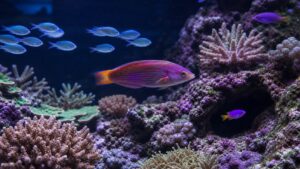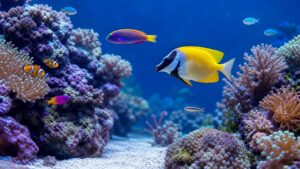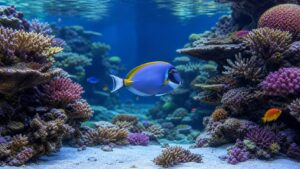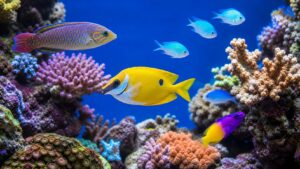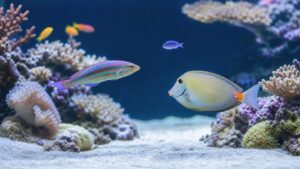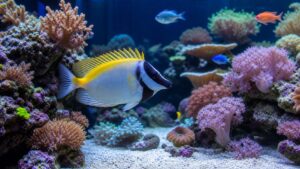
Reef-Safe Showpieces spotlights the standout fish and invertebrates that bring drama, color, and personality to reef aquariums—without putting corals or tank mates at risk. These are the species aquarists choose when they want a true focal point: bold swimmers, elegant grazers, and eye-catching personalities that command attention while respecting the delicate balance of a living reef. From brilliantly patterned fish to graceful invertebrates that glide across rockwork, reef-safe showpieces combine visual impact with responsible compatibility. This section explores what makes a species truly reef-safe, how behavior and diet influence harmony, and why thoughtful selection matters as much as appearance. You’ll find inspiration for centerpiece additions, guidance on pairing showpieces with corals and cleanup crews, and insights into long-term care that keeps both animals and reefs thriving. Whether you’re designing a new display tank or elevating an established reef, Reef-Safe Showpieces helps you choose residents that turn your aquarium into a stunning, peaceful centerpiece—where beauty and balance coexist effortlessly.
A: Generally: won’t eat corals/inverts—but always confirm compatibility with your specific coral and cleanup crew.
A: Not necessarily—many stunning species are coral nippers or shrimp hunters, so research before buying.
A: Add peaceful fish first, use an acclimation box, and rearrange rockwork if aggression is expected.
A: Try feeding more consistently and offering varied foods; if it continues, be ready to trap and rehome.
A: Strongly recommended—many prized reef fish are jumpers, especially when startled.
A: Often yes, but avoid known shrimp predators and provide hiding places during molts.
A: Variety: quality pellets, frozen foods, and algae-based options for omnivores/herbivores.
A: Consistent export (skimming/media), controlled feeding, and regular maintenance beats any one magic product.
A: Usually one main star per tank section—too many “centerpieces” can increase stress and aggression.
A: Feed consistently, keep corals healthy, and choose species with proven reef-safe track records.