
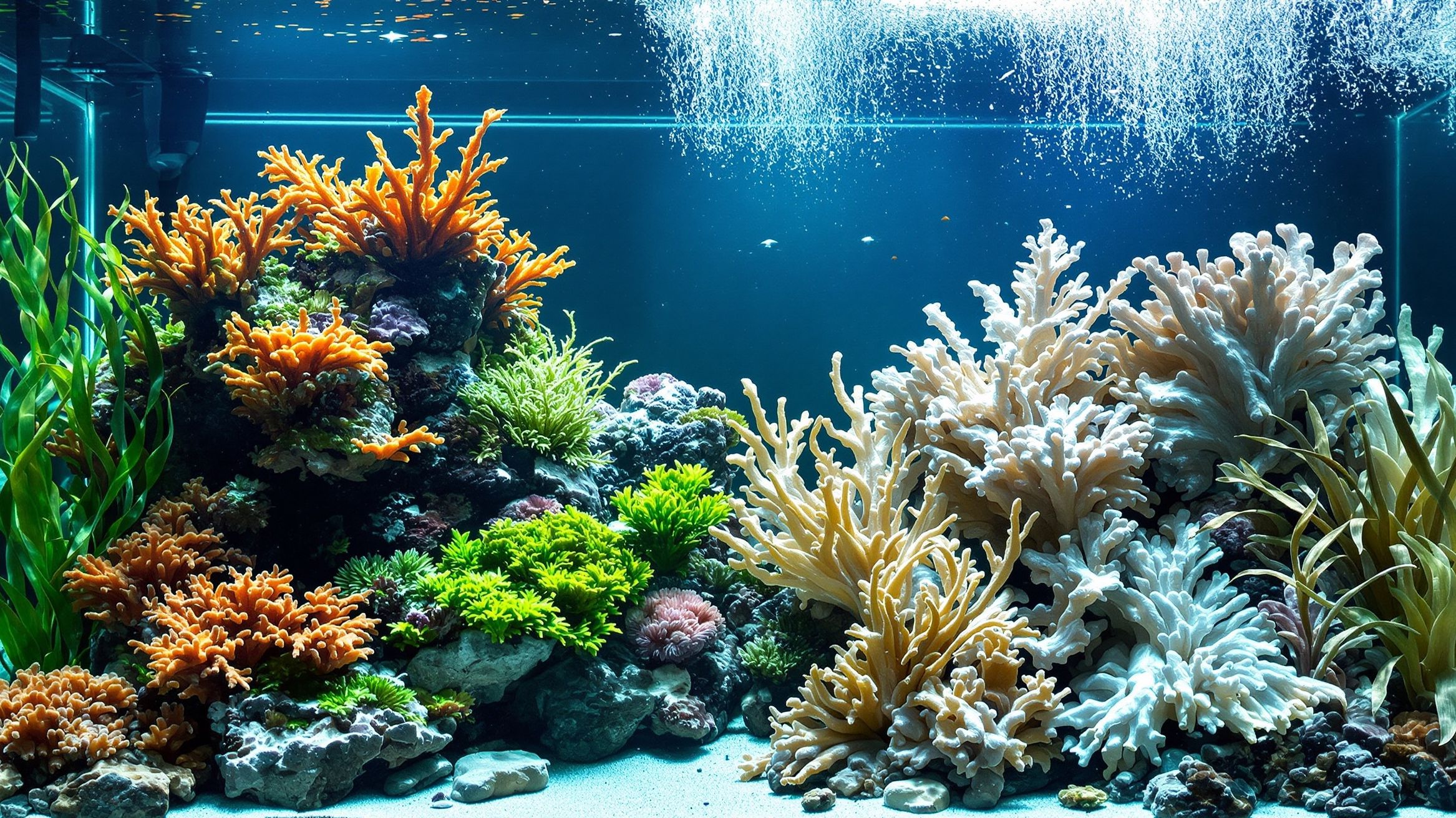
Across oceans, rivers, and lakes, climate change is quietly reshaping aquatic life in powerful and often unpredictable ways. Rising temperatures, shifting currents, ocean acidification, and changing rainfall patterns are altering habitats that species have relied on for thousands of years. What once felt stable is now in motion, forcing aquatic ecosystems to adapt, migrate, or face decline. In this section, you’ll explore the science behind these changes and how researchers study their impact. Discover how warming waters affect oxygen levels and fish behavior, how coral reefs respond to bleaching events, and how freshwater systems shift with droughts and floods. Learn about long-term monitoring, data collection, and emerging technologies used to understand and predict these environmental transformations. Whether you’re an aquarist looking to replicate stable conditions or a curious mind seeking to understand global change, these articles connect science to real-world impact. Step into the evolving story of aquatic ecosystems—and uncover how knowledge, awareness, and innovation are shaping the future of life beneath the surface.
A: It can influence water source quality, temperature stability, and species availability.
A: They rely on narrow temperature and chemical ranges to maintain their symbiotic relationships.
A: Some can, but rapid changes often outpace their ability to adapt.
A: It is the lowering of ocean pH due to dissolved carbon dioxide.
A: Yes, through droughts, temperature shifts, and altered water flow patterns.
A: Yes, through education, sustainable practices, and supporting conservation efforts.
A: Fish and many aquatic organisms rely on it for respiration.
A: Stress from heat or poor conditions causes corals to lose their symbiotic algae.
A: Through long-term data collection, modeling, and field research.
A: Impacts can be reduced, but long-term recovery depends on global action.