

Dutch Plant Gardens celebrate the aquarium as a living botanical showcase, where plants take center stage and precision defines beauty. This classic aquascaping style emphasizes structured layouts, bold color contrasts, and carefully maintained plant groupings arranged in rows, streets, and layered terraces. Unlike nature-style aquascapes that mimic wild landscapes, Dutch aquariums highlight cultivation, discipline, and horticultural mastery beneath the waterline. Fast-growing stems, rich reds, vibrant greens, and varied leaf textures are combined to create visual rhythm and depth, while open swim spaces keep the display balanced and breathable. Success in a Dutch plant garden requires attentive trimming, nutrient management, and lighting control, rewarding aquarists with constantly evolving color and form. Articles in this section explore plant selection, layout rules, fertilization strategies, pruning schedules, and long-term maintenance techniques that keep these aquariums looking crisp and intentional. Whether you’re building your first structured plant layout or refining a competition-level display, this hub is designed to help you grow lush, orderly underwater gardens with confidence and precision.
A: Not usually—they require strong plant knowledge, trimming skill, and consistent dosing.
A: Yes in most cases—dense planting and color demand stable carbon.
A: Light may be too weak or trimming too infrequent.
A: Weekly or biweekly, depending on plant speed and layout goals.
A: Minimal hardscape is acceptable, but plants must remain dominant.
A: Enough for contrast—often 15–30 species in medium to large tanks.
A: Small, calm schooling fish that don’t distract from plant structure.
A: Biomass reduction can unbalance nutrients—adjust dosing temporarily.
A: That becomes a hybrid style rather than a true Dutch layout.
A: Letting plants overgrow and blur the clean garden structure.
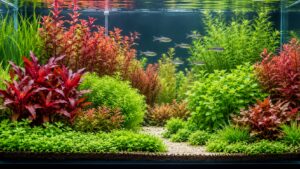
Dutch Aquascape Guide for Beginners
Understand Dutch aquascaping through plant groups, streets, contrast, coordinated care, pruning, and a manageable first horticultural layout.
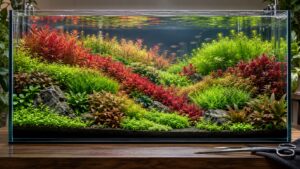
How to Create a Dutch-Style Aquarium
Build a Dutch-style aquarium step by step by planning plant beds, preparing stems, establishing growth, shaping streets, and restoring boundaries.
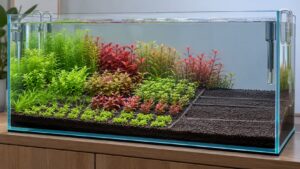
Dutch Aquarium Setup Step by Step
Set up a Dutch aquarium from equipment testing and bed mapping through dense planting, cycling, the first shaping cuts, and weekly garden care.