

Deep Sea & Predators explores the darker, more mysterious side of aquarium life, where powerful hunters, ancient designs, and deep-water adaptations take the spotlight. This section is dedicated to predatory and deep-dwelling species that inspire awe with their strength, intelligence, and survival instincts. From ambush predators that rely on stealth and precision to deep-sea species shaped by low light and extreme environments, these animals reveal a side of the ocean rarely seen in typical reef displays. You’ll uncover how specialized diets, tank size requirements, and behavior patterns shape responsible predator keeping, along with the importance of species-only setups and carefully planned companions. Whether you’re fascinated by lionfish, moray eels, groupers, or deep-water oddities, this hub dives into their natural history, aquarium challenges, and undeniable appeal. Deep Sea & Predators is for aquarists who respect the raw power of marine life and want to understand how to showcase these formidable creatures safely, ethically, and with the care they demand—bringing the ocean’s most intense residents into focus.
A: Usually no—most require extreme pressure/temp needs. Build the “deep sea vibe” with hardy, appropriate species instead.
A: If it fits in the mouth (now or later), it’s a meal—plan by adult size.
A: Rarely—most predators can be trained to frozen/prepared foods, which is safer and cleaner.
A: Too much food or fine particles—feed smaller portions, improve mechanical filtration, and remove leftovers.
A: Yes—oversized skimming and mechanical filtration prevent waste from rotting in the system.
A: Smaller, consistent meals are often better than big feasts—avoid bloat and nutrient spikes.
A: Often—territory and food drive behavior. Use hides, zones, and careful stocking order.
A: Absolutely—startle jumps and feeding lunges can send fish out of the tank.
A: Use tongs, feed one fish at a time, and keep hands out of strike range.
A: Some can, but many are not reef-safe—most predator setups are fish-only or very carefully planned mixed systems.
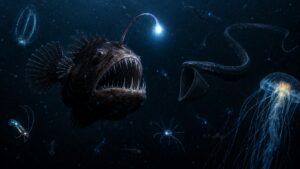
The Scariest Creatures Living in the Deep Ocean
The scariest creatures living in the deep ocean are not monsters in the storybook sense. They look unsettling because darkness, pressure, cold, and scarce food reward bodies that seem strange to surface eyes. Enormous mouths, expandable stomachs, glo
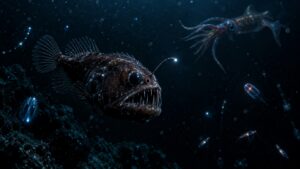
How Deep Sea Predators Survive Extreme Ocean Depths
Deep sea predators survive extreme ocean depths by matching their bodies to a place with crushing pressure, little light, cold water, and long waits between meals. Their world punishes waste. The most successful hunters are not always fast or large.
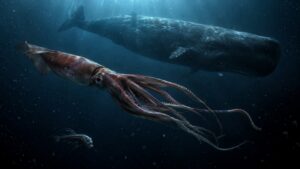
The Largest Predators of the Deep Sea
The largest predators of the deep sea reveal a different side of ocean power. Some are huge animals that dive from the surface, such as sperm whales. Others are deep-living squid, sharks, and fish that use size to travel, store energy, overpower prey