
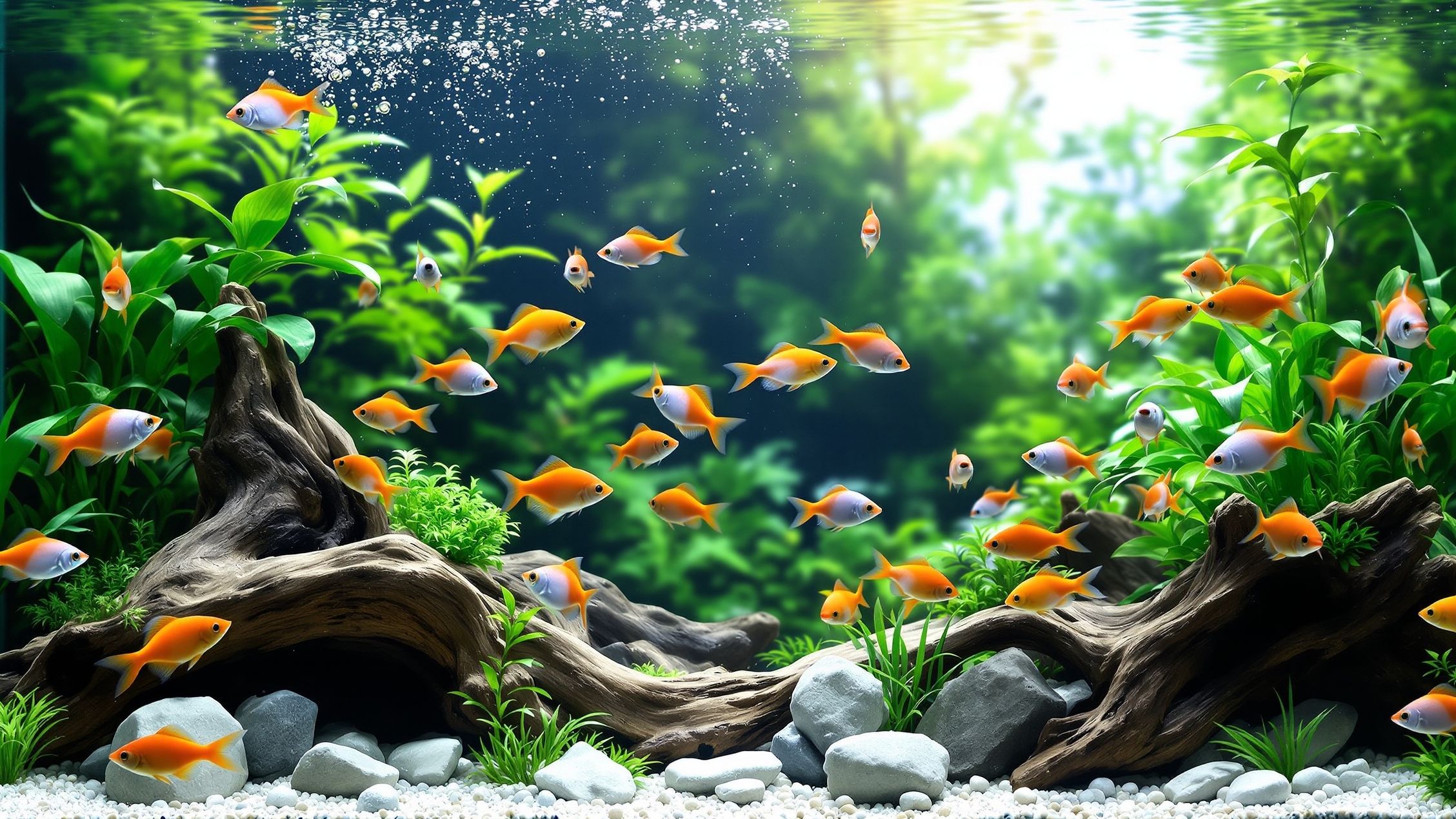
Discover the hidden logic behind peaceful aquariums and thriving aquatic communities. “Compatibility Science” takes you beyond simple species lists and into the deeper understanding of behavior, territory, and environmental needs that determine whether your tank becomes a harmony-filled ecosystem—or a battleground. Every fish, shrimp, and invertebrate has its own personality, instincts, and survival strategies. This category explores how factors like aggression levels, schooling behavior, tank size, and water parameters all interact to shape compatibility. You’ll learn why some species coexist effortlessly while others clash, and how subtle differences in habitat or temperament can make all the difference. Each article breaks down real-world scenarios, helping you design balanced tanks where every inhabitant can thrive. From pairing peaceful community fish to managing semi-aggressive species, you’ll gain practical strategies to reduce stress, prevent conflict, and promote natural behaviors. Understanding compatibility transforms your aquarium into a carefully orchestrated environment—one where science, observation, and thoughtful planning come together to create a stable, vibrant underwater world.
A: No, compatibility depends on behavior, size, and environmental needs.
A: Common causes include territory disputes, overcrowding, or incompatible species.
A: Add hiding spaces, rearrange décor, or separate aggressive fish.
A: Schooling species do, while others prefer solitude or pairs.
A: It depends—larger fish may see smaller ones as food.
A: A well-planned tank with proper space, décor, and species selection.
A: Sometimes, but gradual introduction with monitoring is often safer.
A: Look for hiding, aggression, color loss, or unusual behavior.
A: Yes, especially as fish grow or enter breeding phases.
A: Research, observation, and adjusting your setup as needed.