
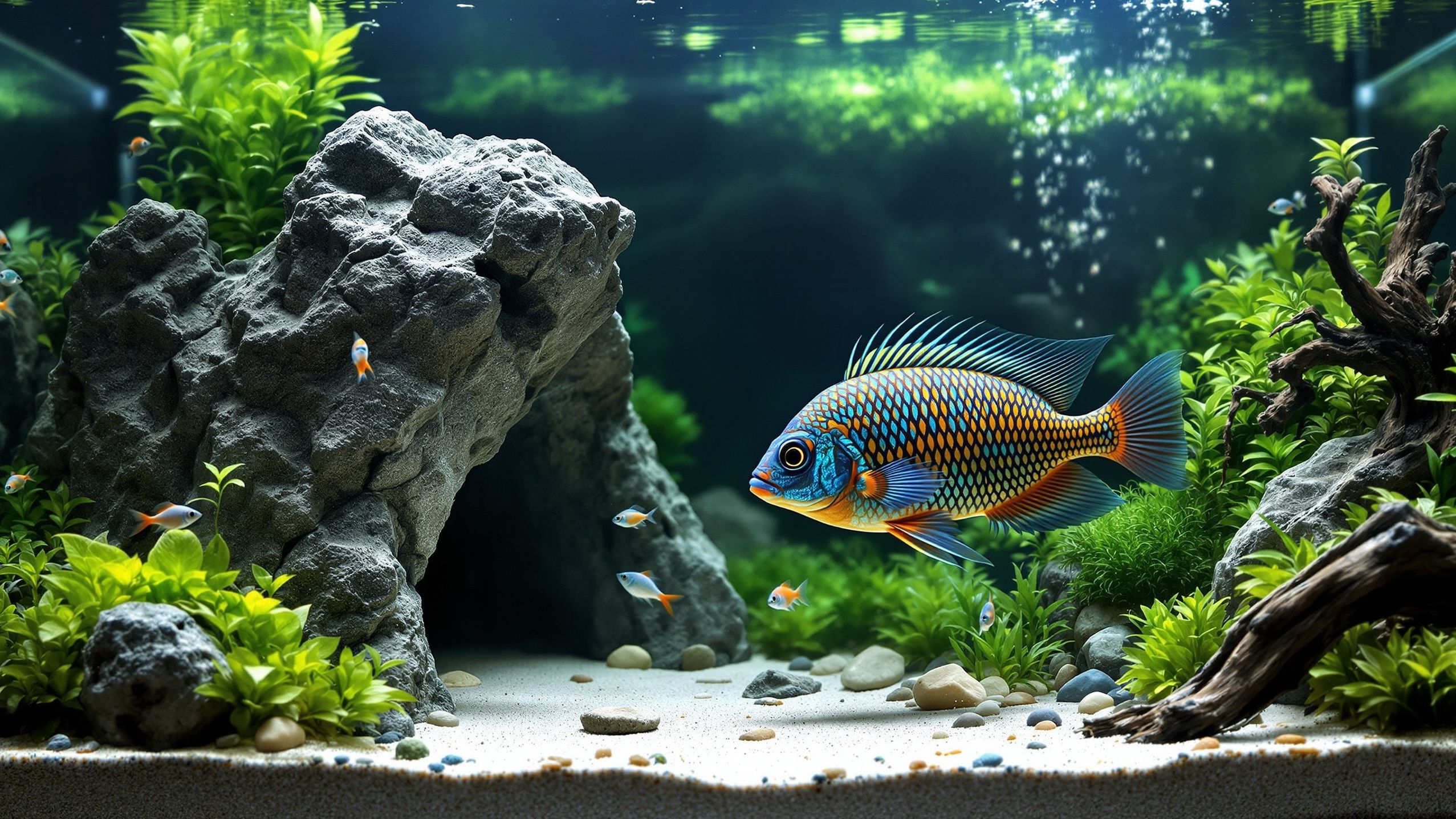
Step into the dynamic side of aquarium life, where instinct, hierarchy, and survival shape every interaction. “Aggression & Territory Control” explores the powerful behaviors that drive fish to defend space, establish dominance, and compete for resources—revealing the fine line between natural behavior and harmful conflict. From territorial cichlids guarding their domains to subtle fin displays and chasing patterns among community fish, aggression comes in many forms. This category helps you recognize early warning signs, understand species-specific triggers, and interpret the body language that signals rising tension in your tank. You’ll learn how tank layout, hiding spaces, population balance, and environmental conditions all influence aggression levels. By strategically designing your aquascape and choosing compatible species, you can reduce stress and prevent injuries while still allowing natural behaviors to unfold. Each article provides practical strategies for managing dominant individuals, diffusing territorial disputes, and maintaining harmony in even the most active aquariums. With the right approach, you can transform potential conflict into a balanced ecosystem where structure, space, and behavior coexist in controlled equilibrium.
A: Common causes include territory disputes, breeding behavior, overcrowding, or incompatible species.
A: Add hiding spots, rearrange décor, increase tank size, or separate aggressive fish.
A: Some level is natural, but excessive aggression can cause stress or injury.
A: Sometimes, but it requires careful planning, space, and compatible species.
A: Hiding, fin damage, rapid breathing, and loss of color.
A: If behavior is causing harm, separation is often the safest solution.
A: Yes, larger tanks reduce conflict by allowing more territory.
A: Proper feeding helps, but competition can still trigger aggression.
A: Sometimes, but aggression can persist depending on species and environment.
A: Understanding behavior, providing space, and managing the environment effectively.