

Coldwater Characters bring a refreshing twist to aquarium life—bold, resilient, and full of personality. These species thrive where cooler currents flow, creating a unique underwater atmosphere distinct from tropical displays. From the shimmering flashes of white cloud minnows to the elegant glide of goldfish and the curious antics of hillstream loaches, coldwater inhabitants offer endless fascination without the need for warm temperatures. Their natural habitats—mountain streams, temperate ponds, and cool rivers—shape behaviors that are both lively and unexpectedly complex. On this Coldwater Characters page, you’ll uncover the best species for unheated aquariums, learn how to design setups that mimic crisp-flowing waters, and explore feeding strategies that keep these hardy fish in peak condition. Discover which combinations create long-lasting harmony, how to maintain stable temperatures year-round, and why coldwater ecosystems can be just as vibrant and beautiful as their tropical counterparts. Whether you’re crafting a serene planted tank or a dynamic, high-flow environment, these characters are ready to steal the spotlight. Dive into the cool side of aquarium keeping—your adventure begins here.
A: Yes. Many coldwater species, especially goldfish, grow large and produce lots of waste—small bowls quickly become unhealthy.
A: Generally no. They prefer cooler water, grow larger, and can outcompete or stress many tropical species.
A: Absolutely. Their high bioload makes strong, reliable filtration and regular maintenance essential.
A: Many do well between about 60–72°F, but always research the specific needs of your chosen species.
A: Yes, in appropriate climates and seasons, but you must manage predators, temperature extremes, and water quality.
A: Small portions once or twice per day are usually enough; overfeeding is a major cause of water issues and health problems.
A: Yes. Choose hardy species that tolerate lower temps and provide extra oxygen, cover, and natural enrichment.
A: It may be low oxygen or poor water quality; increase aeration, test water parameters, and perform partial water changes.
A: Some may snack on shrimp or tiny snails; larger snails can work, but always monitor behavior and compatibility.
A: Keeping large, messy species in undersized, uncycled bowls without proper filtration or understanding their adult size.
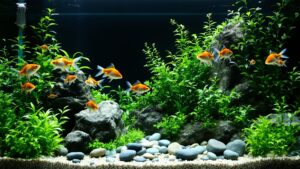
Best Coldwater Fish for Beginners (Complete Guide)
Coldwater fish are perfect for beginners thanks to their hardiness and simple care requirements. This complete guide explores the best species, how to set up your tank, and how to keep your fish healthy and thriving.
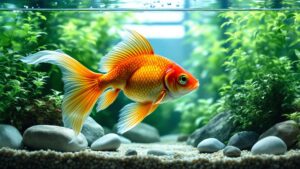
Goldfish Care Guide: Everything You Need to Know
Goldfish are beautiful, hardy, and rewarding pets, but they require proper care to thrive. This complete guide covers everything beginners need to know to keep goldfish healthy and happy.
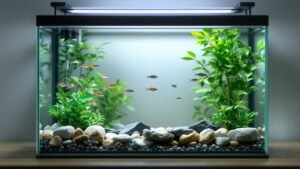
Best Coldwater Fish for Small Tanks
Not all coldwater fish need large aquariums. This guide explores the best small, hardy species perfect for compact tanks, along with care tips to keep them thriving.