Goldfish are one of the most recognizable and beloved aquarium fish in the world, often seen as the perfect beginner pet. However, their reputation for being easy to care for has led to many misconceptions about their needs. While goldfish are hardy and adaptable, they require proper space, clean water, and consistent care to truly thrive. When given the right environment, goldfish can live for many years, grow to impressive sizes, and develop unique personalities that make them engaging and rewarding companions.
Understanding how to care for goldfish properly is essential for any beginner who wants to create a healthy and long-lasting aquarium. From tank setup to feeding and maintenance, every aspect of goldfish care plays a role in their overall well-being. This guide provides everything you need to know to ensure your goldfish not only survive but flourish.
A: No. Bowls are usually too small, unstable, and difficult to filter properly.
A: Most do not, but they do need stable temperatures and protection from sudden changes.
A: Feed small portions once or twice daily, only what they can finish quickly.
A: Weekly partial water changes are common, but test results should guide the schedule.
A: Possible causes include poor oxygen, ammonia, nitrite, overheating, or gill irritation.
A: Usually not ideal because temperature needs, speed, size, and diet may differ.
A: Buoyancy issues can come from diet, constipation, anatomy, infection, or water quality problems.
A: Hardy plants like anubias, java fern, hornwort, vallisneria, and water sprite are common choices.
A: Look for clear eyes, smooth swimming, good appetite, open fins, and normal breathing.
A: Keeping them in tanks that are too small without enough filtration or water changes.
Understanding Goldfish and Their Needs
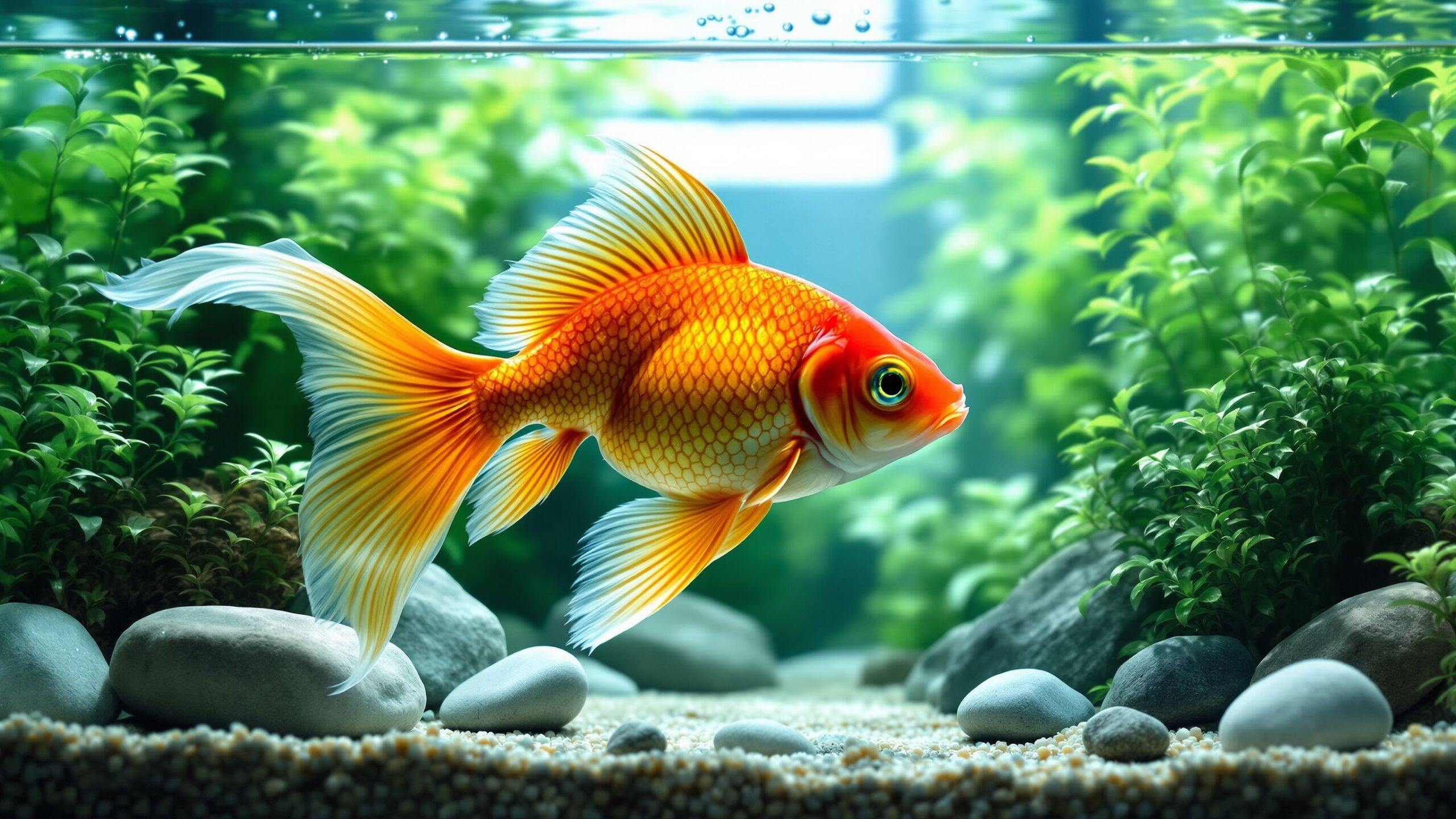
The Carassius auratus is a domesticated species that has been bred for centuries, resulting in a wide variety of shapes, sizes, and colors. From sleek, fast-swimming common goldfish to ornate fancy varieties with flowing fins and rounded bodies, each type has slightly different care requirements.
Despite these differences, all goldfish share some basic needs. They require clean, oxygen-rich water, plenty of swimming space, and a balanced diet. Goldfish are also highly social and curious, often interacting with their environment and even recognizing their owners over time.
One of the most important things to understand is that goldfish grow much larger than most beginners expect. A small goldfish purchased from a store can eventually reach several inches or more in length, depending on the variety. This growth potential makes proper tank size and filtration critical from the very beginning.
Choosing the Right Tank Size
One of the biggest mistakes beginners make is keeping goldfish in bowls or very small tanks. While this setup may seem simple, it is not suitable for long-term care. Goldfish produce a significant amount of waste, which can quickly pollute a small volume of water and lead to health problems.
A larger tank provides a more stable environment and allows waste to be diluted more effectively. For a single goldfish, a tank of at least 20 gallons is recommended, with additional space needed for each extra fish. Fancy goldfish may require slightly less space than common varieties, but they still benefit from a roomy environment.
A properly sized tank not only improves water quality but also allows your goldfish to swim freely and exhibit natural behaviors. This contributes to their overall health and reduces stress, which is essential for long-term success.
Filtration and Water Quality
Maintaining clean water is the most important aspect of goldfish care. Because goldfish produce a lot of waste, a strong and efficient filtration system is essential. The filter helps remove debris, break down harmful substances, and keep the water clear and safe.
In addition to filtration, regular water changes are necessary to maintain healthy conditions. Replacing a portion of the water each week helps remove accumulated toxins and keeps the environment stable. Using a water conditioner is important to eliminate chlorine and other harmful chemicals found in tap water.
Monitoring water parameters such as ammonia, nitrite, and nitrate levels ensures that your tank remains safe for your fish. A properly cycled tank will have beneficial bacteria that convert harmful waste into less toxic compounds, creating a balanced ecosystem.
Ideal Water Temperature and Conditions
Goldfish are coldwater fish that thrive in temperatures between 65°F and 75°F. Unlike tropical fish, they do not require a heater in most indoor environments, making them easier and more cost-effective to care for.
Consistency is key when it comes to water conditions. Sudden changes in temperature or water chemistry can stress your fish and lead to illness. Keeping the tank in a stable environment away from direct sunlight or drafts helps maintain consistent conditions.
Good oxygenation is also important, as goldfish require well-oxygenated water to stay healthy. This can be achieved through proper filtration, water movement, and the inclusion of live plants if desired.
Feeding Your Goldfish Properly
Feeding goldfish is simple, but it requires balance and moderation. A high-quality pellet or flake food designed specifically for goldfish should form the basis of their diet. These foods are formulated to provide the nutrients they need for growth and health.
In addition to commercial food, goldfish benefit from occasional fresh vegetables such as peas, spinach, or lettuce. These additions provide fiber and help support digestion. Protein-rich treats like bloodworms or brine shrimp can be offered occasionally for variety.
Overfeeding is one of the most common mistakes in goldfish care. Feeding too much can lead to poor water quality and health issues such as bloating or swim bladder problems. Small portions once or twice a day are usually sufficient, and any uneaten food should be removed promptly.
Tank Setup and Decorations
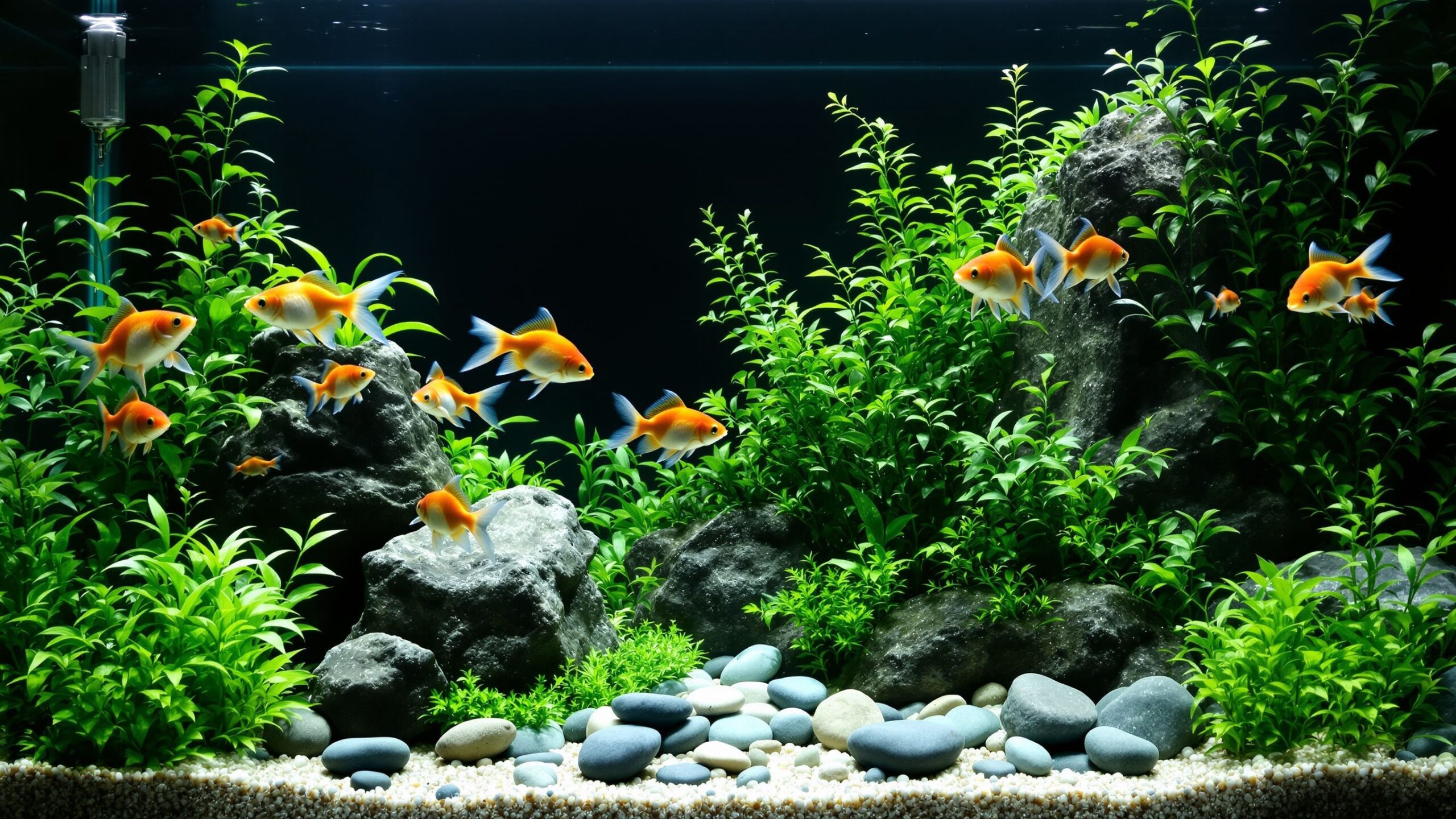
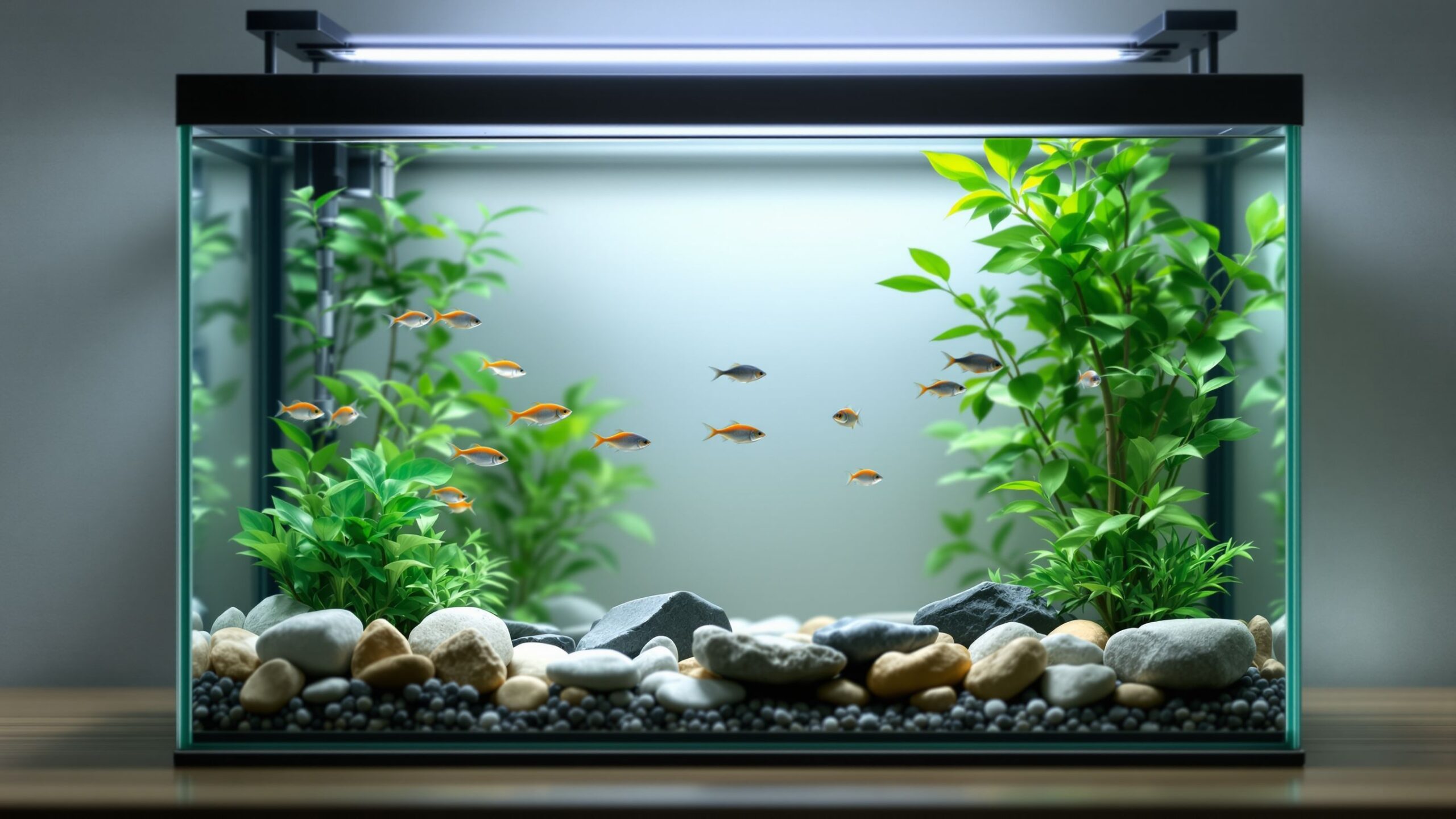
Creating a comfortable and visually appealing environment is important for both you and your goldfish. A well-designed tank includes a suitable substrate, decorations, and optional plants that enhance the overall ecosystem.
Smooth gravel or sand is ideal for goldfish tanks, as it prevents injury to their delicate fins. Decorations should be chosen carefully to avoid sharp edges that could cause harm. Providing open swimming space along with a few hiding areas helps reduce stress and encourages natural behavior.
Live plants can be beneficial, but goldfish are known to nibble on them. Hardy plant species are the best choice if you want to include greenery. Even without plants, a thoughtfully arranged tank can create a beautiful and calming display.
Common Goldfish Health Issues
Goldfish are generally hardy, but they can still experience health problems if their environment is not properly maintained. Poor water quality is the leading cause of illness, often resulting in issues such as fin rot, cloudy eyes, or lethargy.
Another common problem is swim bladder disorder, which can affect a goldfish’s ability to swim properly. This is often linked to overfeeding or improper diet. Adjusting feeding habits and providing a balanced diet can help prevent this condition.
Regular observation is one of the best ways to keep your goldfish healthy. Changes in behavior, appetite, or appearance can indicate a problem early, allowing you to take action before it becomes serious.
Social Behavior and Tank Mates
Goldfish are social fish that enjoy the company of their own kind. Keeping multiple goldfish together can create a more dynamic and engaging aquarium, as they interact and explore their environment.
When choosing tank mates, it’s important to select species that can tolerate similar conditions and are not aggressive. Goldfish are best kept with other goldfish or similarly calm fish, as their feeding habits and size can make it difficult to house them with smaller or more delicate species.
Providing enough space and resources ensures that all fish in the tank can coexist peacefully. Overcrowding or mismatched tank mates can lead to stress and competition, which should be avoided.
Maintenance Routine for Long-Term Success
Consistency is the key to successful goldfish care. Establishing a regular maintenance routine helps keep the tank clean and the fish healthy. Weekly water changes, filter maintenance, and water testing should become part of your routine.
Cleaning the tank does not mean removing all water or scrubbing everything at once. Instead, partial water changes and gentle cleaning preserve beneficial bacteria that are essential for the tank’s ecosystem.
Staying consistent with maintenance tasks prevents problems before they start and ensures that your goldfish continue to thrive over time.
Final Thoughts on Goldfish Care
Goldfish are more than just beginner pets—they are long-term companions that can bring life and beauty to any space. With the right care, they can grow, thrive, and develop unique personalities that make them a joy to watch and interact with.
Success in goldfish care comes down to understanding their needs and providing a stable, clean, and spacious environment. By following the principles outlined in this guide, even beginners can create a thriving aquarium that supports healthy and happy goldfish for years to come.