

Planted Tank Companions bring harmony, color, and gentle motion to the lush underwater forests aquarists love to create. These are the species that thrive among swaying stems, broad leaves, and mossy carpets—fish and invertebrates that celebrate the artistry of aquascaping rather than disturb it. From delicate rasboras and shimmering tetras to peaceful dwarf gouramis, otocinclus, and vibrant shrimp colonies, planted-tank residents turn a green world into a living, breathing masterpiece. On this Planted Tank Companions page, you’ll discover which species enhance your aquascape without uprooting plants or outcompeting others. Learn how schooling fish amplify depth and movement, which algae grazers keep your ecosystem pristine, and how to balance bioload for crystal-clear, nutrient-stable waters. Whether you’re curating a dense jungle scape, an open-valley layout, or an Iwagumi-inspired design, these companions add personality and vibrancy without disrupting the serene aesthetic. Step into a world where nature, art, and livestock selection blend seamlessly—your planted paradise is ready to flourish.
A: Peaceful temperament, plant-safe feeding habits, appropriate size, and comfort in the same water and light conditions as your plants.
A: Many classic community fish won’t, but large cichlids, goldfish, and some loaches will—research species before adding them.
A: Yes with small, peaceful fish; larger or predatory tankmates may snack on shrimplets or adults.
A: Not always. Many plants and fish thrive in low-tech setups; CO₂ simply expands the plant palette and growth speed.
A: Use moderate stocking: plants help, but overstocking still strains filtration and invites algae. Stability beats maximum numbers.
A: Not required, but otos, Amano shrimp, and nerite snails can help manage algae when paired with good lighting and nutrient control.
A: Yes—gently hover over open areas and avoid deep plunges near roots. Many keepers focus on detritus rather than full-depth cleaning.
A: Varied, high-quality diets—flakes, pellets, frozen, and occasional live foods—keep fish healthy and colors vibrant.
A: Typically 6–8 hours of consistent photoperiod, adjusted based on plant growth and algae response.
A: Adding large, plant-damaging species or overstocking before the plants and filtration are mature enough to support them.
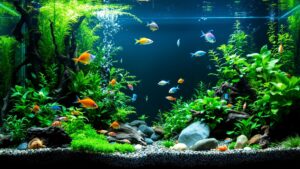
The Ultimate Guide to Planted Tank Companions
Choosing the right planted tank companions can transform your aquarium into a healthy, self-sustaining ecosystem. Discover the best fish, shrimp, snails, and compatibility tips to create a vibrant freshwater planted tank.
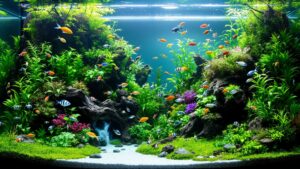
Best Fish for Heavily Planted Tanks
Choosing the right fish is essential for a thriving planted aquarium. Discover the best species for heavily planted tanks, including peaceful community fish, algae eaters, and colorful nano fish that complement lush aquascapes.
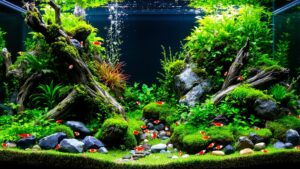
Best Shrimp and Snails for Planted Aquariums
The right shrimp and snails can transform a planted aquarium into a healthier, cleaner ecosystem. Discover the best species for algae control, waste cleanup, and peaceful community aquariums.