A thriving planted aquarium is much more than beautiful aquatic plants and colorful fish. Behind every successful aquascape is a hardworking cleanup crew made up of shrimp and snails that quietly maintain the ecosystem every hour of the day. While plants naturally improve water quality by absorbing nutrients and producing oxygen, shrimp and snails help complete the biological cycle by consuming algae, leftover food, decaying plant matter, and organic waste before these materials have a chance to pollute the aquarium. Many aquarists focus heavily on selecting fish while overlooking these small but incredibly valuable invertebrates. In reality, some of the healthiest planted tanks owe much of their long-term stability to an effective cleanup crew. Shrimp constantly graze over plant leaves, driftwood, and rocks searching for microscopic food, while snails polish glass, decorations, and substrate in areas that are difficult to clean manually. The best shrimp and snails not only reduce maintenance but also contribute fascinating behaviors that make planted aquariums even more enjoyable to observe. Watching shrimp delicately climb through mosses or snails slowly clean algae from leaves adds another layer of life to the underwater landscape. Whether you’re setting up your first planted tank or maintaining an advanced aquascape, choosing the right shrimp and snails can dramatically improve both the appearance and health of your aquarium.
A: Amano shrimp are excellent algae eaters, while Cherry shrimp are colorful and beginner-friendly.
A: Nerite snails are among the safest because they usually leave healthy plants untouched.
A: Yes, many shrimp graze on algae, biofilm, and leftover food throughout the day.
A: Yes, they make excellent tankmates and often complement each other's cleaning habits.
A: They may be adjusting, preparing to molt, or avoiding larger fish.
A: Yes, quality shrimp foods, algae wafers, vegetables, and natural biofilm all help keep them healthy.
A: Some species can if excess food is available, but Nerite and Mystery snails usually do not reproduce rapidly in freshwater.
A: Cherry shrimp are one of the easiest shrimp species for beginners.
A: Yes, many larger or aggressive fish will prey on shrimp, especially babies.
A: No. They help clean naturally, but regular water changes and plant care are still essential.
What Makes a Good Planted Aquarium Cleanup Crew?
Not every shrimp or snail belongs in a planted aquarium. The ideal cleanup crew consists of peaceful species that leave healthy plants untouched while actively consuming algae, biofilm, leftover food, and decaying organic material.
The best species remain relatively small, coexist peacefully with fish, tolerate the stable water conditions found in planted tanks, and avoid uprooting delicate carpeting plants or disturbing the aquascape.
Rather than relying on a single species to perform every cleaning task, experienced aquarists often combine several types of shrimp and snails. Each specializes in different areas of the aquarium, creating a more balanced and efficient ecosystem.
This diversity allows every surface—from plant leaves to glass panels and substrate—to receive regular natural maintenance.
Amano Shrimp: The Ultimate Algae-Eating Champions
When discussing planted aquariums, Amano shrimp are almost always considered the gold standard for algae control. Originally popularized by legendary aquascaper Takashi Amano, these shrimp have earned an outstanding reputation for their incredible work ethic.
Unlike many shrimp that focus primarily on biofilm, Amano shrimp eagerly consume numerous types of nuisance algae, including hair algae, soft green algae, thread algae, and leftover fish food. They spend nearly every waking moment searching for something to eat, making them one of the hardest-working cleanup crew members available.
Their transparent bodies blend beautifully into natural aquascapes without distracting from the plants themselves.
Amano shrimp rarely bother healthy aquatic plants and instead spend their days climbing over leaves, driftwood, rocks, and substrate while cleaning every available surface.
Although they do not reproduce successfully in freshwater aquariums, their longevity and exceptional algae-eating ability make them worthwhile additions to nearly every planted tank.
Cherry Shrimp: Colorful and Productive
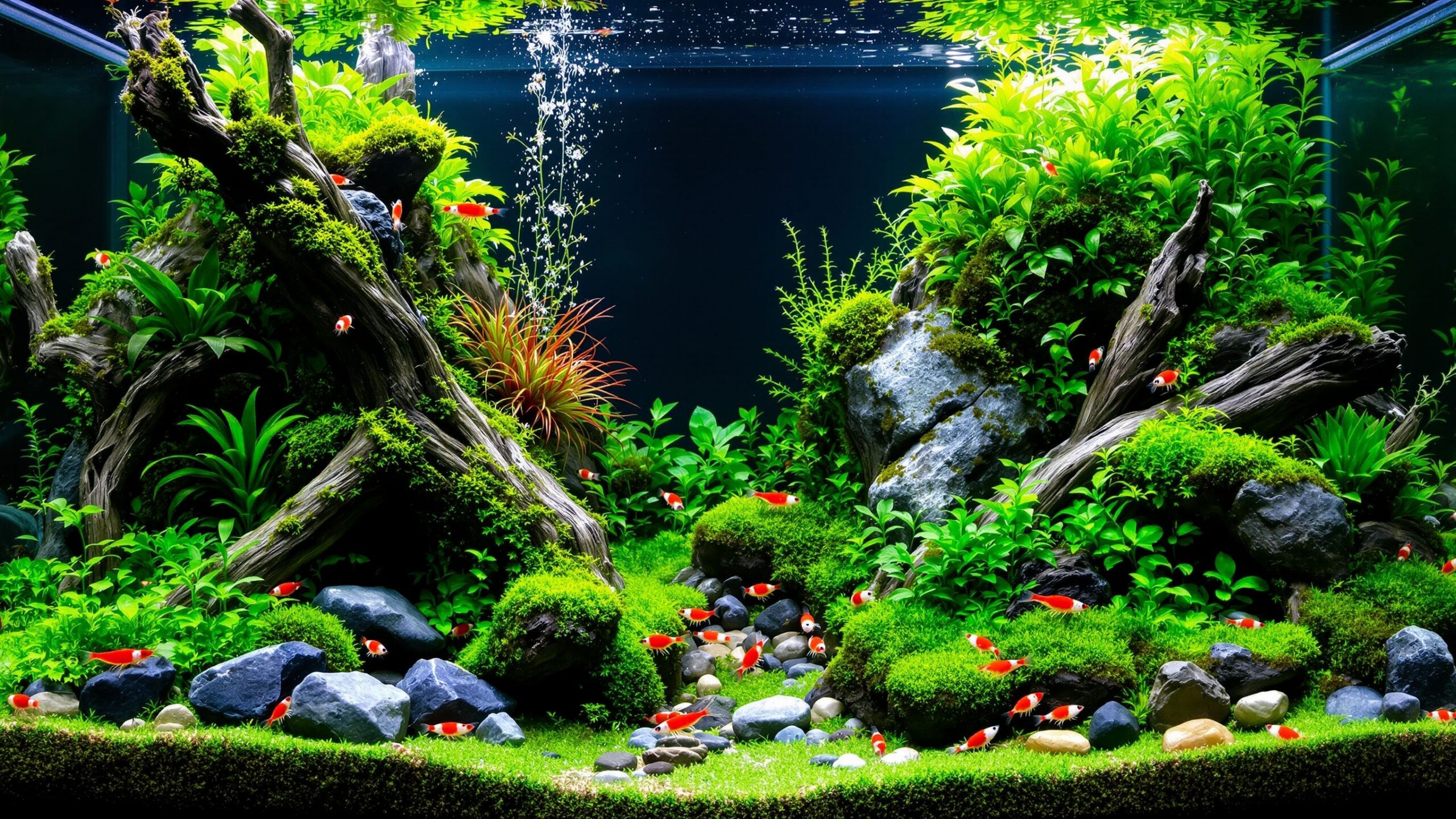
Cherry shrimp have become one of the most popular freshwater shrimp because they combine vivid coloration with practical cleaning abilities.
Bright red individuals create stunning visual contrast against lush green aquatic plants, making them both functional and decorative additions to planted aquariums.
In addition to consuming algae and biofilm, cherry shrimp eat tiny food particles that would otherwise decompose and contribute to poor water quality.
Heavily planted aquariums provide the perfect environment for cherry shrimp because mosses, floating plants, and dense vegetation offer countless hiding places for adults and newborn shrimplets.
When conditions remain stable, colonies often reproduce naturally, gradually increasing their population without requiring much intervention.
Blue Dream Shrimp Bring Brilliant Color
Blue Dream shrimp offer the same easy care as cherry shrimp while displaying an eye-catching deep blue coloration.
Against bright green carpeting plants or vibrant stem plants, their rich color creates an impressive visual display that immediately draws attention.
Like other Neocaridina shrimp varieties, Blue Dreams spend their time grazing continuously on biofilm, algae, microorganisms, and leftover food.
Because they remain peaceful and relatively hardy, they are excellent choices for beginners interested in keeping freshwater shrimp.
Yellow, Orange, and Green Neocaridina Shrimp
One of the greatest advantages of Neocaridina shrimp is the incredible range of available colors.
Yellow Golden Back shrimp resemble tiny pieces of sunshine moving through aquatic plants.
Orange Sakura shrimp provide vibrant warm tones that complement both green plants and dark hardscape.
Green Jade shrimp blend naturally into planted aquariums while adding subtle flashes of emerald color.
All of these color varieties share similar care requirements and perform the same valuable cleanup duties throughout the aquarium.
Choosing multiple color strains can create a visually stunning planted tank, although crossbreeding over time may eventually reduce the intensity of individual colors.
Ghost Shrimp: Affordable Cleanup Helpers
Ghost shrimp are frequently overlooked because of their transparent appearance, but they remain excellent additions to many planted aquariums.
Their nearly invisible bodies allow aquarists to observe internal anatomy while watching them forage among aquatic plants.
Ghost shrimp consume algae, leftover food, decaying leaves, and organic debris, helping maintain cleaner substrates and healthier water conditions.
They also serve as an inexpensive introduction to shrimp keeping for beginners.
Although they are generally peaceful, choosing healthy individuals from reputable sources helps avoid accidentally purchasing larger, more aggressive species sometimes sold under the same name.
Bamboo Shrimp: Gentle Filter Feeders
Unlike algae-grazing shrimp, bamboo shrimp feed by filtering microscopic food particles directly from flowing water.
Using specialized fan-like appendages, they collect tiny suspended organisms without disturbing plants or tank mates.
Dense planted aquariums with moderate water flow create excellent environments for these fascinating shrimp.
Providing driftwood or elevated perches near filter outlets allows bamboo shrimp to position themselves where food particles naturally pass by.
Their unusual feeding behavior makes them one of the most interesting shrimp available for larger planted aquariums.
Nerite Snails: The Best Algae-Eating Snails
Among freshwater snails, nerite snails are widely considered the finest algae eaters for planted aquariums.
They excel at removing green spot algae, film algae, diatoms, and other stubborn growths from glass, rocks, driftwood, and plant leaves.
One of their greatest advantages is that they cannot establish breeding populations in freshwater. Although females may occasionally lay small white eggs, these eggs do not hatch without brackish water conditions.
This prevents the population explosions often associated with other snail species.
Nerites also leave healthy plants untouched, making them completely safe for even delicate aquascapes.
Mystery Snails Add Beauty and Personality
Mystery snails combine usefulness with fascinating behavior.
Available in gold, blue, ivory, jade, black, and purple varieties, these colorful snails become attractive centerpiece inhabitants in planted aquariums.
They consume leftover food, soft algae, and decaying plant material while rarely damaging healthy vegetation.
Watching mystery snails climb plants, glide across the glass, or stretch their long antennae provides endless entertainment.
Because they breathe both air and water, they occasionally travel to the surface before returning to continue cleaning throughout the aquarium.
Ramshorn Snails: Helpful in Moderation
Ramshorn snails often receive an unfair reputation as pests, but in balanced numbers they can become valuable cleanup crew members.
They consume soft algae, decaying leaves, leftover food, and biofilm while helping recycle nutrients within the aquarium.
Population growth usually reflects available food rather than becoming problematic on its own.
If excessive numbers appear, reducing feeding typically causes populations to stabilize naturally.
Healthy aquatic plants generally remain untouched.
Malaysian Trumpet Snails Improve the Substrate
Malaysian trumpet snails spend much of their time beneath the substrate, where they provide unique benefits unavailable from most other cleanup crew members.
As they burrow, they gently aerate planted soils, preventing compacted areas around plant roots while encouraging oxygen circulation beneath the surface.
They also consume buried organic debris that might otherwise decay unnoticed.
Although they reproduce readily, stable feeding practices usually keep populations under control.
Their constant substrate activity contributes significantly to long-term plant health.
Rabbit Snails for Larger Planted Aquariums
Rabbit snails stand out thanks to their elongated shells, expressive faces, and surprisingly interactive personalities.
They move more slowly than many smaller snails but provide excellent cleanup by consuming algae, biofilm, and decomposing plant material.
Because of their larger size, rabbit snails are better suited for medium to large planted aquariums where they have plenty of room to explore.
Their unique appearance often makes them favorite inhabitants despite not being the fastest algae eaters.
Combining Shrimp and Snails for Maximum Efficiency
Rather than selecting only shrimp or only snails, many experienced aquarists combine both.
Shrimp specialize in cleaning delicate plant leaves, mosses, driftwood, and fine crevices.
Snails excel at cleaning glass, larger hardscape, decorations, and substrate surfaces.
Together they provide nearly continuous maintenance throughout the aquarium without damaging healthy aquatic plants.
For example, a balanced cleanup crew may include several Amano shrimp, a colony of cherry shrimp, two or three nerite snails, and a few Malaysian trumpet snails.
Each species contributes differently, creating a remarkably efficient maintenance team.
Water Conditions for Healthy Shrimp and Snails
Most popular planted tank shrimp and snails thrive in stable freshwater conditions similar to those preferred by aquatic plants.
Temperatures between 72°F and 78°F generally work well for the majority of species.
Maintaining consistent water chemistry is more important than chasing exact numbers. Sudden swings in pH, hardness, or temperature can stress shrimp and interfere with successful molting.
Calcium is particularly important for both shrimp and snails because they require it to maintain healthy exoskeletons and shells.
Regular water changes, proper mineral balance, and avoiding copper-containing medications all contribute to healthier invertebrates.
Feeding Your Cleanup Crew
Although shrimp and snails consume algae and leftover food, they should not be expected to survive solely on whatever they find naturally.
As planted aquariums become cleaner, supplemental feeding becomes increasingly important.
High-quality shrimp pellets, algae wafers, blanched zucchini, spinach, cucumber, green beans, and specialized invertebrate foods all provide excellent nutrition.
Providing occasional protein-rich foods also supports healthy molting and breeding.
Avoid overfeeding, however, because excess food often leads to poor water quality and unwanted snail population growth.
Fish That Are Safe with Shrimp and Snails
Choosing compatible fish is essential for maintaining a successful cleanup crew.
Peaceful nano fish such as ember tetras, neon tetras, cardinal tetras, harlequin rasboras, chili rasboras, celestial pearl danios, and pygmy corydoras generally coexist well with adult shrimp and snails.
Otocinclus catfish are another excellent companion because they peacefully graze algae without bothering invertebrates.
Large cichlids, aggressive barbs, many loaches, puffers, and predatory fish should generally be avoided, as they may prey on shrimp or attack snails.
Providing dense mosses, floating plants, and thick vegetation gives shrimp safe hiding places and significantly improves survival rates.
Common Mistakes When Keeping Shrimp and Snails
One of the most common beginner mistakes is introducing shrimp into newly established aquariums. Fresh tanks often lack the biofilm and microscopic organisms that shrimp naturally rely on for grazing. Allowing a planted aquarium to mature for several weeks before adding shrimp greatly increases their chances of thriving.
Another frequent mistake is overfeeding. Excess food quickly pollutes the water and can cause rapid snail population growth. Maintaining moderate feeding habits allows the cleanup crew to continue performing its natural role.
Many aquarists also overlook the importance of stable water parameters. Sudden temperature changes, inconsistent water chemistry, or untreated tap water can stress shrimp, interfere with molting, and weaken snail shells. Using a quality water conditioner, performing regular water changes, and avoiding copper-based medications help maintain a healthy environment for all invertebrates.
Final Thoughts
Shrimp and snails are among the most valuable inhabitants of any planted aquarium. While they may not always receive as much attention as colorful fish, their contributions to the health and stability of the ecosystem are unmatched. Amano shrimp tirelessly consume nuisance algae, cherry shrimp and other Neocaridina varieties add brilliant color while cleaning biofilm, and snails such as nerites and mystery snails keep glass, hardscape, and decorations looking pristine. Together, they reduce maintenance, recycle organic waste, and help create the balanced environment that aquatic plants need to flourish.
The most successful planted aquariums rely on diversity rather than a single cleanup species. Combining different shrimp and snails allows each to perform specialized tasks throughout the tank, creating a more efficient and self-sustaining ecosystem. With proper water conditions, compatible fish, and a well-established planted environment, these hardworking invertebrates will reward you with healthier plants, cleaner water, and an aquarium that grows more beautiful and stable with every passing month.