Classic freshwater aquarium fish have remained the foundation of the aquarium hobby for generations. While hundreds of exotic species have entered the hobby over the years, timeless favorites continue to dominate home aquariums because they are beautiful, fascinating to observe, and generally easier to care for than many rare species. Whether you’re purchasing your very first aquarium or expanding an established fish room, classic freshwater fish provide an incredible combination of vibrant colors, engaging personalities, peaceful temperaments, and proven hardiness. The beauty of these traditional species lies not only in their appearance but also in their versatility. Many classic aquarium fish thrive in peaceful community tanks where multiple species coexist harmoniously. Watching schools of neon tetras glide through lush plants while graceful angelfish patrol the middle of the aquarium and corydoras catfish explore the substrate creates a living ecosystem that never grows old. Success with freshwater fish depends on much more than simply adding water and fish to a glass box. Understanding water chemistry, filtration, nutrition, compatibility, and habitat design transforms an ordinary aquarium into a thriving underwater environment. This guide explores everything you need to know about classic freshwater aquarium fish so you can create an aquarium that remains healthy, colorful, and enjoyable for years to come.
A: Guppies, platies, zebra danios, corydoras, white cloud minnows, and many tetras are great beginner choices.
A: Sometimes, but tankmates should be peaceful, not fin-nippy, and the tank should have plenty of space and cover.
A: It depends on tank size, filtration, adult fish size, behavior, and maintenance schedule.
A: Most tropical fish do, but cold-water species like some minnows and goldfish have different needs.
A: Usually no; they grow large, produce lots of waste, and prefer cooler water than many tropical fish.
A: Usually once or twice daily in small amounts they can finish quickly.
A: They may be stressed by bright light, poor water quality, aggressive tankmates, or not enough cover.
A: No, but live plants can improve the look of the tank, offer shelter, and support water quality.
A: Avoid mixing tiny fish with large predators, fin-nippers with long-finned fish, or species with very different water needs.
A: Keep the water stable, avoid overstocking, feed lightly, and choose fish that truly fit the tank.
Why Classic Freshwater Fish Continue to Dominate the Hobby
Trends come and go in every hobby, but classic freshwater fish have stood the test of time. Species like guppies, mollies, platies, swordtails, angelfish, neon tetras, zebra danios, corydoras catfish, and gouramis have earned their reputation through decades of successful aquarium keeping around the world.
One reason these fish remain popular is their adaptability. Most have been bred in captivity for many generations, allowing them to adjust well to aquarium life. They tolerate a wider range of water conditions than many wild-caught species and generally display peaceful behavior that makes community aquariums possible.
Availability is another major advantage. Nearly every aquarium store carries these fish, making replacements and additions easy to find. Hobbyists can also choose from numerous selectively bred color varieties that offer unique appearances while maintaining the same dependable personalities.
Perhaps most importantly, these fish reward proper care with years of activity and fascinating behavior. Schooling fish move together in synchronized formations, livebearers constantly display courtship rituals, and bottom dwellers tirelessly patrol every inch of the aquarium searching for food.
Planning the Perfect Freshwater Aquarium
Every successful aquarium begins with thoughtful planning. Choosing the proper aquarium size is one of the most important decisions a hobbyist can make. Although smaller aquariums may seem easier to maintain, larger tanks are actually far more stable because they dilute waste more effectively and experience slower changes in water chemistry.
A quality filtration system should provide both mechanical and biological filtration. Mechanical filtration removes floating debris while biological filtration houses beneficial bacteria that convert toxic ammonia into far less harmful nitrate. This natural nitrogen cycle is essential for maintaining a healthy aquarium.
Heating is equally important for tropical freshwater fish. Most classic community species thrive between 74 and 80 degrees Fahrenheit, and maintaining a stable temperature reduces stress while supporting healthy immune systems.
Lighting enhances both fish coloration and live plant growth. Modern LED aquarium lights offer energy efficiency while providing the spectrum necessary for vibrant aquatic plants and brilliant fish colors.
Substrate selection also contributes to the aquarium’s appearance and function. Fine gravel or aquarium sand allows bottom-dwelling species such as corydoras catfish to forage naturally without damaging their sensitive barbels.
The Most Popular Classic Freshwater Aquarium Fish
Few aquarium fish are as instantly recognizable as the neon tetra. Its brilliant blue stripe and vibrant red body create a dazzling display when kept in schools of ten or more. These peaceful fish thrive in planted aquariums where darker backgrounds enhance their colors.
Guppies remain one of the world’s most beloved freshwater fish because of their endless color combinations and flowing fins. Selective breeding has produced hundreds of varieties featuring every imaginable pattern, making no two aquariums exactly alike.
Angelfish provide elegance unmatched by most freshwater species. Their tall fins, graceful swimming style, and intelligent behavior allow them to become the focal point of many community aquariums. While generally peaceful, they require adequate swimming space and compatible tank mates.
Corydoras catfish add constant activity along the aquarium floor. These social fish should always be kept in groups and spend their days exploring every corner of the substrate. Their peaceful nature makes them ideal companions for virtually every community aquarium.
Zebra danios are energetic swimmers that remain active throughout the day. Their bold horizontal stripes and nonstop movement add excitement to the upper levels of the aquarium while encouraging more timid species to venture into open water.
Mollies, platies, and swordtails are colorful livebearers that continuously entertain aquarists with their playful personalities and frequent breeding behavior. Their adaptability and vibrant colors have made them favorites for decades.
Gouramis introduce both personality and elegance. Their calm swimming style contrasts beautifully with fast-moving schooling fish, while their unique labyrinth organ allows them to breathe atmospheric air from the water’s surface.
Feeding Classic Freshwater Aquarium Fish
Providing a balanced and varied diet is one of the simplest ways to ensure your freshwater fish remain healthy, colorful, and active. Although many classic aquarium fish eagerly accept high-quality flakes or pellets, relying on only one type of food can limit the nutrients they receive over time. A varied feeding routine closely resembles what these species would encounter in nature and promotes stronger immune systems, improved growth, and more vibrant coloration.
High-quality tropical flakes are an excellent staple for community aquariums, while slow-sinking pellets benefit fish that feed throughout the middle of the tank. Bottom-dwelling species such as corydoras catfish appreciate sinking wafers specifically formulated for their nutritional needs. Frozen treats like bloodworms, brine shrimp, mysis shrimp, and daphnia provide valuable protein while encouraging natural hunting behavior. Herbivorous and omnivorous fish, including mollies and platies, also benefit from vegetable-based foods containing spirulina or blanched vegetables like zucchini and spinach.
Overfeeding remains one of the most common mistakes among beginners. Uneaten food quickly decomposes, producing ammonia that can negatively impact water quality. Feeding only what your fish consume within two or three minutes helps maintain cleaner water while reducing stress on the biological filtration system.
Creating the Perfect Community Aquarium
One of the greatest advantages of classic freshwater fish is their ability to live together peacefully when compatible species are selected. Community aquariums combine fish that occupy different levels of the tank, creating a balanced ecosystem full of activity without unnecessary aggression.
Schooling fish such as neon tetras, black skirt tetras, harlequin rasboras, and zebra danios primarily occupy the middle and upper portions of the aquarium. Corydoras catfish and kuhli loaches spend their time exploring the substrate, while centerpiece fish like angelfish or pearl gouramis command attention with their graceful appearance.
Compatibility extends beyond temperament. Fish should also share similar temperature requirements, water chemistry preferences, and adult sizes. Mixing peaceful community fish with aggressive or predatory species often results in stress, injury, or even loss of smaller fish. Researching each species before purchasing prevents many common problems and creates a more harmonious aquarium.
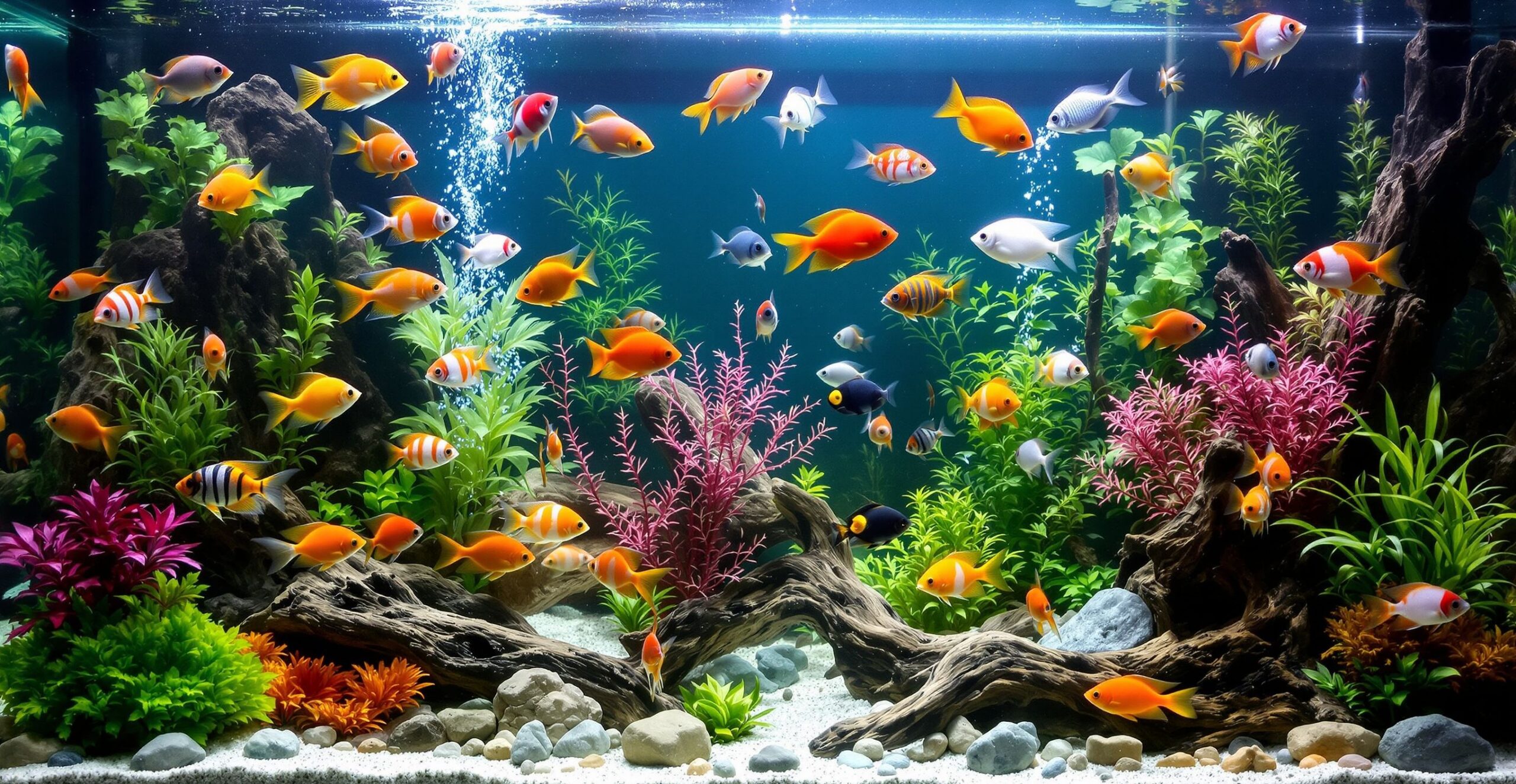
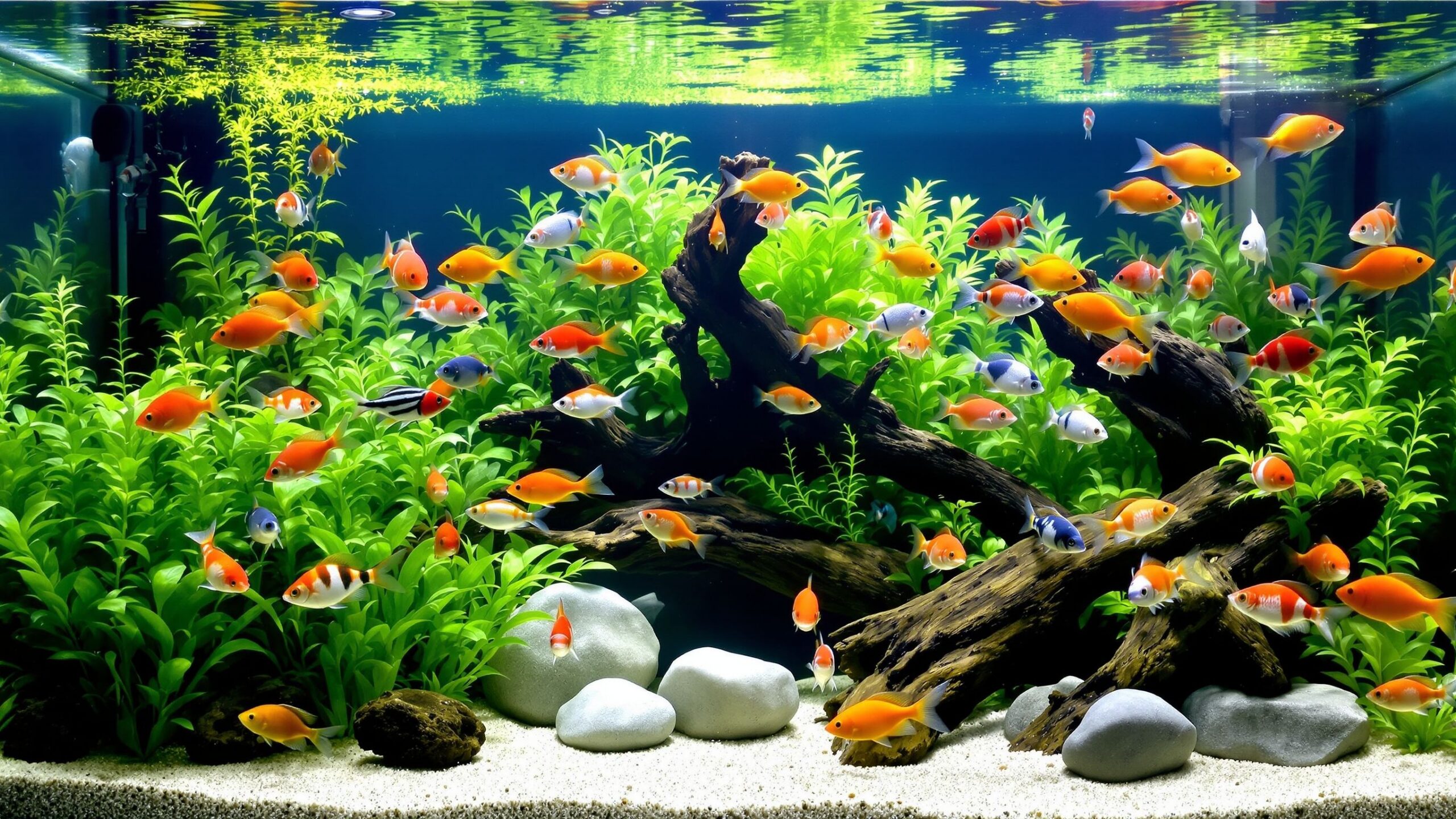
Aquascaping also plays an important role in community success. Live plants, driftwood, smooth rocks, caves, and open swimming areas allow fish to establish territories while reducing stress through natural hiding places. Dense vegetation helps shy species feel secure without sacrificing viewing opportunities.
The Benefits of Live Plants
Classic freshwater fish thrive in planted aquariums because live plants recreate many aspects of their natural habitats. Plants absorb excess nutrients, release oxygen during daylight hours, and help stabilize water conditions while creating a visually stunning display.
Popular beginner-friendly plants include Java fern, Anubias, Amazon sword, Java moss, Vallisneria, and Cryptocoryne species. These hardy plants tolerate a wide range of water conditions while requiring only moderate lighting and minimal maintenance.
Fish also display more natural behaviors in planted aquariums. Tetras school more confidently, angelfish weave gracefully between leaves, gouramis explore floating vegetation, and livebearers use dense plants as shelter for newly born fry. Beyond their practical benefits, healthy aquatic plants transform an ordinary aquarium into a beautiful underwater landscape that closely resembles nature.
Water Quality and Routine Maintenance
Healthy aquariums depend upon consistent maintenance rather than occasional deep cleaning. Small, regular tasks are far more effective than infrequent major cleanings because they preserve the beneficial bacteria that keep the aquarium biologically balanced.
Weekly water changes of approximately 20 to 30 percent help remove accumulated nitrate while replenishing important minerals. Gravel vacuuming eliminates trapped organic waste before it decomposes, while gently cleaning algae from the aquarium glass improves visibility without disrupting the ecosystem.
Filter maintenance should also be performed carefully. Biological filter media should never be replaced all at once because it houses beneficial bacteria responsible for processing ammonia and nitrite. Instead, gently rinse filter media in removed aquarium water to preserve bacterial colonies while removing accumulated debris.
Regular testing for ammonia, nitrite, nitrate, pH, and temperature allows hobbyists to identify developing problems before fish show visible signs of stress. Stability consistently proves more valuable than chasing perfect water parameters.
Common Beginner Mistakes
Every aquarist makes mistakes while learning, but many of the most common problems can be avoided through patience and preparation. One of the biggest errors is adding fish before the aquarium has completed the nitrogen cycle. Without beneficial bacteria, toxic ammonia rapidly accumulates and places fish at serious risk.
Overstocking is another frequent issue. While a fully stocked aquarium may appear attractive initially, overcrowding increases waste production, encourages aggression, and places extra strain on filtration equipment. Allowing adequate swimming space helps every species display its natural behavior.
Choosing fish based solely on appearance often leads to compatibility issues. Researching adult size, temperament, dietary requirements, and preferred water conditions before purchasing ensures every new addition contributes positively to the community aquarium.
Neglecting routine maintenance can also create long-term problems. Consistent water changes, careful feeding, and regular observation prevent most issues before they become serious.
Breeding Classic Freshwater Fish
Many classic freshwater species breed readily in home aquariums, making them especially rewarding for hobbyists interested in observing natural life cycles. Livebearers such as guppies, mollies, platies, and swordtails are among the easiest fish to breed because females give birth to fully formed young rather than laying eggs.
Egg-laying species require different conditions but can also breed successfully in well-maintained aquariums. Angelfish carefully clean flat surfaces before laying eggs, while zebra danios scatter adhesive eggs among fine-leaved plants. Corydoras catfish often spawn following large water changes that mimic seasonal rainfall.
Providing dense plant growth or breeding mops increases fry survival by giving young fish places to hide from adults. Frequent feeding with appropriately sized foods encourages healthy growth while maintaining excellent water quality remains essential throughout development.
Keeping Fish Healthy
Healthy fish are active, alert, brightly colored, and eager to eat. Spending a few minutes observing your aquarium each day allows you to notice subtle behavioral changes before illness becomes severe. Fish that isolate themselves, refuse food, breathe heavily, clamp their fins, or develop unusual spots may require closer attention.
Quarantining newly purchased fish before introducing them to the main aquarium greatly reduces the risk of disease transmission. Stable water quality, proper nutrition, compatible tank mates, and minimal stress remain the most effective forms of disease prevention.
Rather than relying on medications as a first response, maintaining ideal environmental conditions allows fish to develop stronger immune systems capable of resisting many common illnesses naturally.
Why Classic Freshwater Fish Remain Timeless
Despite the introduction of countless new aquarium species, classic freshwater fish continue to define the hobby because they combine beauty, reliability, and fascinating behavior in ways few other pets can match. Their availability, adaptability, and peaceful nature make them ideal for beginners while still captivating experienced aquarists who appreciate their timeless appeal.
A thoughtfully designed community aquarium filled with healthy, well-cared-for classic species becomes more than a decorative display. It becomes a living ecosystem that changes daily as fish interact, explore, court, and grow within a carefully balanced environment. Watching a school of neon tetras shimmer through lush aquatic plants, graceful angelfish glide silently through open water, and corydoras catfish search the substrate serves as a reminder that some of the aquarium hobby’s oldest favorites remain its very best.
Classic freshwater aquarium fish have earned their place as the foundation of the aquarium hobby through decades of dependable performance, stunning beauty, and remarkable diversity. From the brilliant colors of guppies and neon tetras to the elegance of angelfish and the tireless activity of corydoras catfish, these species offer something for every aquarist regardless of experience level.
Success begins with choosing compatible fish, providing stable water conditions, offering a varied diet, and performing consistent maintenance. With patience and proper care, a freshwater community aquarium can flourish for many years, becoming a captivating centerpiece that showcases the incredible beauty of aquatic life. Whether you are setting up your very first tank or expanding an established collection, classic freshwater aquarium fish continue to prove why they remain the gold standard for home aquariums around the world.