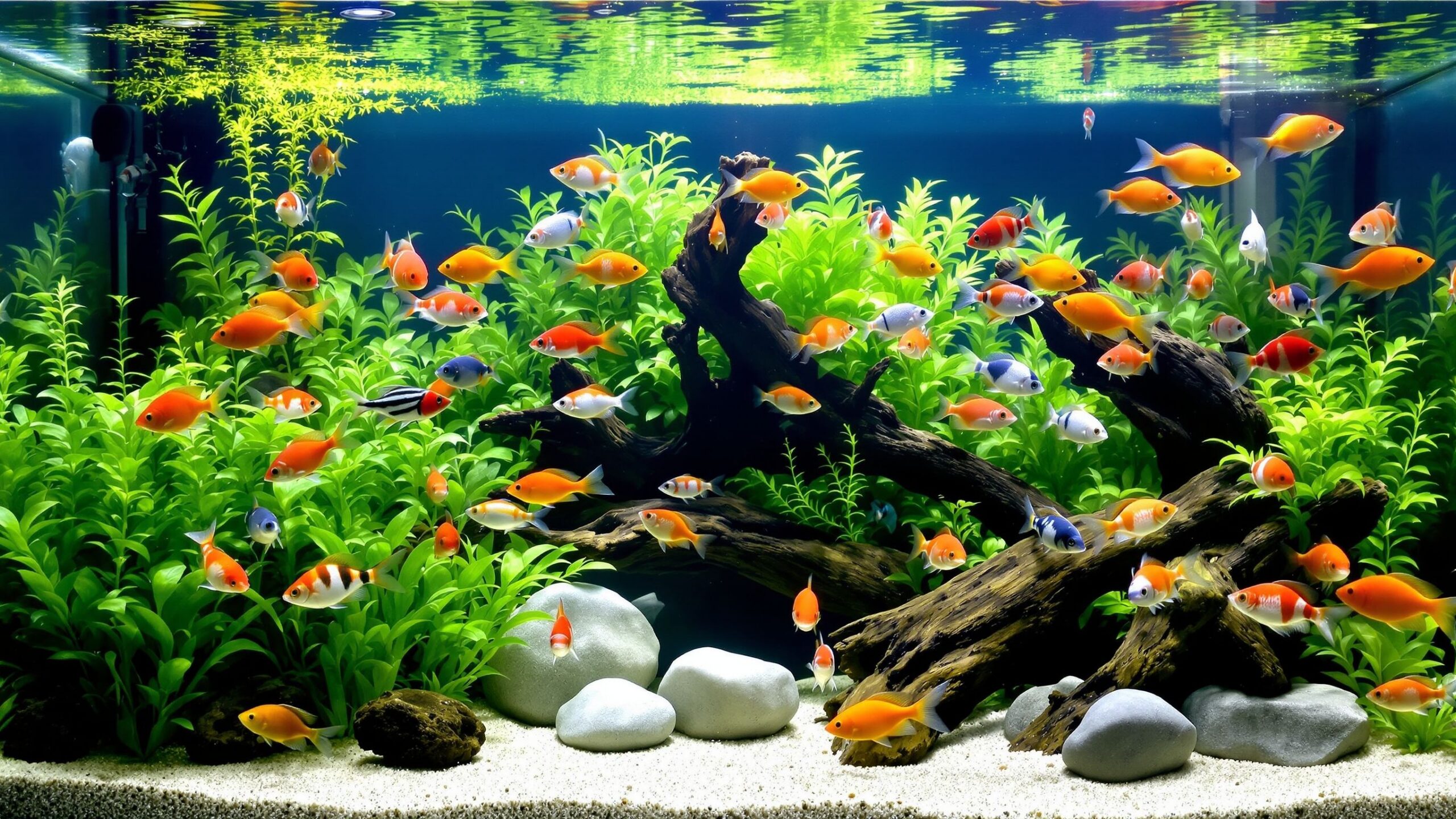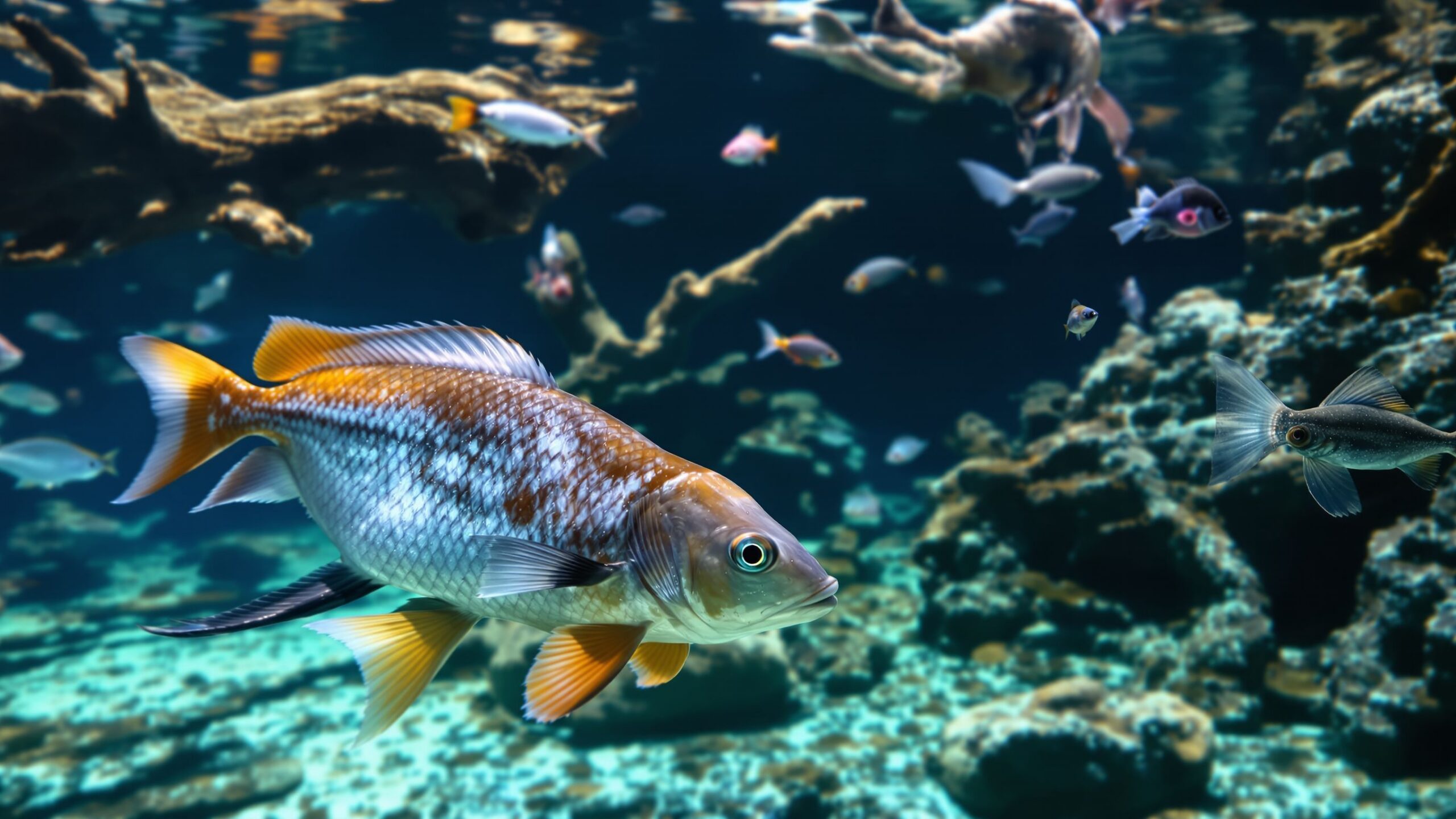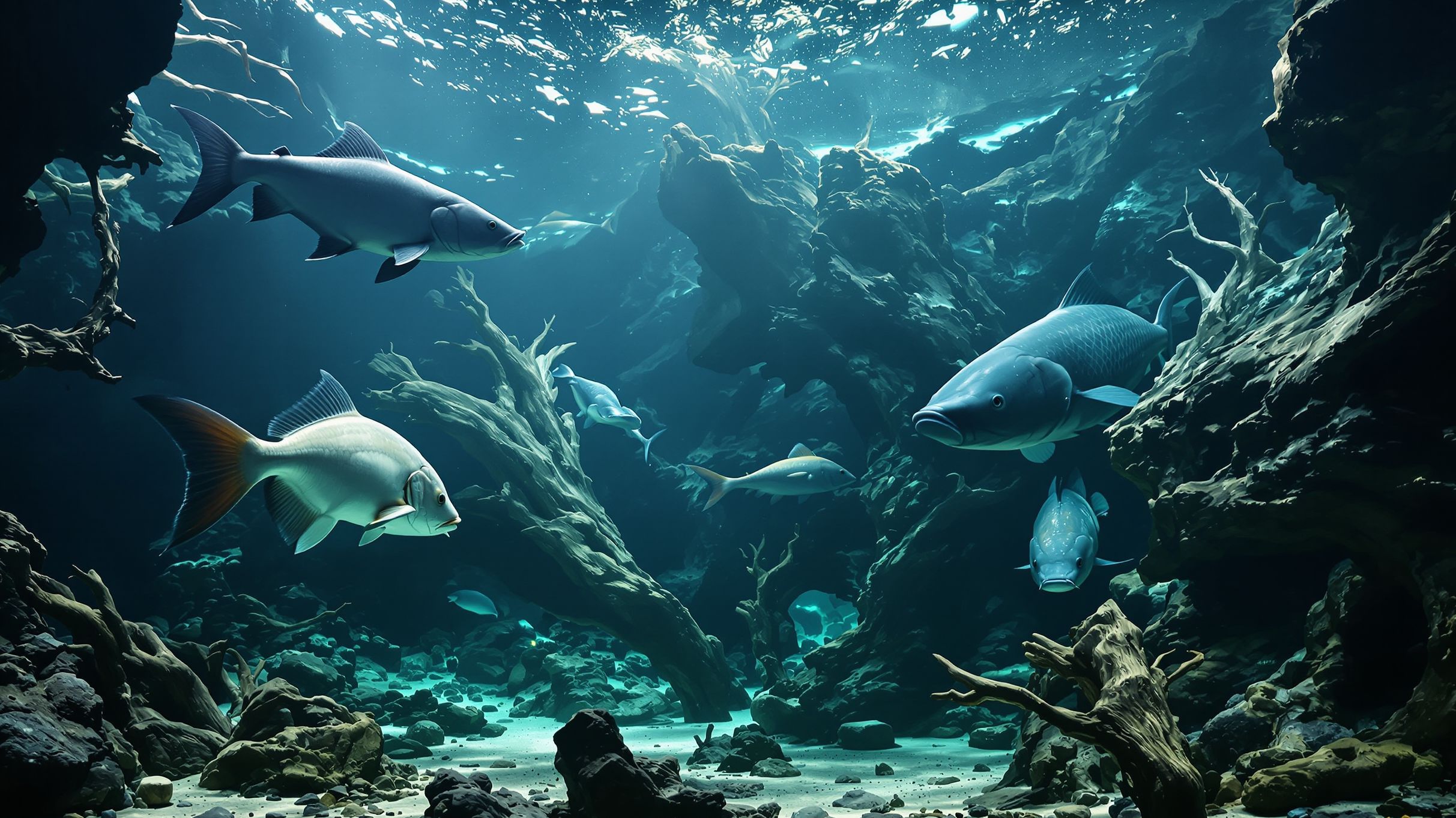
Freshwater ecosystems are home to some of the most powerful and awe-inspiring creatures on the planet. While many aquariums showcase colorful community fish or delicate aquatic plants, there exists an entirely different category of aquatic life that commands attention through sheer size, strength, and presence. Known as “monster fish,” these freshwater predators are the giants of rivers, lakes, and floodplains, embodying raw natural power and evolutionary perfection. For aquarists and wildlife enthusiasts alike, monster fish represent the ultimate fascination—living proof that freshwater environments can rival the drama and intensity of the ocean. The appeal of monster fish lies not only in their impressive size but also in their behavior. These predators are built to dominate, equipped with powerful jaws, lightning-fast reflexes, and instincts honed over millions of years. Bringing even one of these species into a controlled aquarium setting requires serious planning, commitment, and respect for their needs. Understanding these incredible creatures is the first step toward appreciating their role in both the wild and the aquarium world.
A: A monster fish is usually a large freshwater species that needs a very big tank, strong filtration, and advanced care.
A: Usually no. Most are best for experienced keepers with large setups and long-term plans.
A: Species like arapaima and giant catfish are among the largest, but they are not realistic for normal home aquariums.
A: Some keepers do, but arowanas need large tanks, secure lids, excellent water quality, and careful legal research.
A: No. Safer diets include pellets, shrimp, worms, insects, and thawed seafood.
A: They grow extremely large, eat heavily, and quickly outgrow normal aquariums.
A: Sometimes, but only if size, temperament, swimming space, diet, and territory needs are carefully matched.
A: Use oversized filtration, frequent water changes, careful feeding, and regular testing.
A: Laws vary by location, and some are restricted or banned, so owners must check local regulations first.
A: Buying a small juvenile without preparing for the adult size, cost, space, and responsibility.
What Defines a Monster Fish
The term “monster fish” is not a scientific classification but rather a nickname used by aquarists to describe freshwater species that grow exceptionally large and exhibit predatory behavior. These fish often exceed two feet in length, with some reaching sizes that rival small sharks. Their defining traits include rapid growth, aggressive feeding habits, and a need for expansive environments.
Monster fish are typically apex or near-apex predators in their natural habitats. They play a crucial role in maintaining ecological balance by controlling populations of smaller fish and other aquatic organisms. In captivity, these same traits require careful management, as their instincts do not diminish simply because they are housed in an aquarium.
The Allure of Giant Freshwater Predators
There is something undeniably captivating about watching a massive predator glide through the water with effortless control. Monster fish combine beauty and danger in a way that few other aquarium species can match. Their movements are deliberate, their reactions precise, and their presence commanding.
For many aquarists, keeping monster fish is about more than aesthetics. It is about creating an environment that reflects the scale and complexity of nature. These fish challenge traditional aquarium design, pushing hobbyists to think bigger, invest more, and learn continuously. The result is a truly immersive experience that transforms fishkeeping into something extraordinary.
Arapaima: The Titan of the Amazon
Among the largest freshwater fish in the world, the Arapaima is a true giant. Native to the Amazon Basin, this species can grow to lengths exceeding ten feet in the wild. Its massive body, armored scales, and surface-breathing ability make it one of the most unique predators on the planet.
Arapaima are air breathers, meaning they must surface regularly to gulp air. This behavior adds an entirely different dynamic to their care in captivity. While they are sometimes kept in massive aquariums or indoor ponds, their size alone makes them impractical for most home setups. Their diet consists of fish and other protein-rich prey, and their growth rate is astonishing when provided with proper nutrition.
Red Tail Catfish: Power Beneath the Surface
The Red Tail Catfish is one of the most recognizable monster fish, known for its enormous mouth and striking red tail. Native to South America, this species is a bottom-dwelling predator that relies on its size and suction feeding ability to capture prey.
In captivity, red tail catfish grow rapidly and can reach several feet in length. They require enormous tanks or pond environments, along with powerful filtration systems to handle their waste output. Despite their intimidating size, they are relatively calm fish, though anything small enough to fit in their mouth will inevitably be eaten.
Arowana: The Legendary Dragon Fish
The Arowana is often referred to as the “dragon fish” due to its elongated body, shimmering scales, and mythological appearance. Found in regions across South America, Asia, and Africa, Arowanas are surface predators known for their ability to leap out of the water to catch prey.
These fish are highly prized in the aquarium trade, not only for their beauty but also for their symbolic significance in some cultures. Arowanas require large, secure tanks, as their jumping ability can lead to accidental escapes. They are typically kept alone due to their territorial nature, and their diet consists of protein-rich foods that support their active lifestyle.
Goliath Tigerfish: The River Predator
The Goliath Tigerfish is one of the most fearsome freshwater predators, known for its razor-sharp teeth and aggressive hunting style. Native to the Congo River, this species is built for speed and precision, capable of taking down large prey with ease.
While rarely kept in home aquariums due to its size and temperament, the goliath tigerfish represents the extreme end of freshwater predation. Its powerful body and intimidating appearance make it a symbol of the raw, untamed nature of river ecosystems.
Peacock Bass: Speed and Aggression
The Peacock bass is a favorite among anglers and aquarists alike, prized for its vibrant colors and explosive power. Native to South America, this predator is known for its aggressive feeding behavior and rapid bursts of speed.
Peacock bass require large aquariums with plenty of open swimming space. They are highly active and demand a protein-rich diet to sustain their energy levels. Their bold patterns and dynamic movement make them one of the most visually striking monster fish available.
Alligator Gar: A Living Relic
The Alligator gar is a prehistoric predator that has remained largely unchanged for millions of years. With its long snout filled with sharp teeth and armored body, it resembles something out of a distant past.
Alligator gars can grow to enormous sizes and are typically found in large rivers and lakes in North America. In captivity, they require vast amounts of space and are often kept in public aquariums or specialized facilities. Their slow, deliberate movements contrast with their ability to strike quickly when hunting.
Bichir: The Ancient Survivor
The Bichir offers a more accessible entry point into the world of monster fish, though it still requires careful consideration. These ancient fish have a unique appearance, with elongated bodies and fin structures that allow them to move in a distinctive, almost reptilian manner.
Bichirs are bottom dwellers that rely on scent to locate food. They are relatively hardy and can adapt to a range of conditions, making them suitable for aquarists with moderate experience. While not as massive as other monster fish, their prehistoric look and behavior make them a fascinating addition to large aquariums.
The Challenges of Keeping Monster Fish
Keeping monster fish is not a casual endeavor. These species require significant space, advanced filtration systems, and a deep understanding of their needs. Many outgrow standard aquariums within a short period, forcing owners to upgrade or rehome them. This makes long-term planning essential before acquiring any monster fish.
Water quality is a constant concern, as large predators produce substantial waste. Regular maintenance, including frequent water changes and monitoring of parameters, is necessary to prevent health issues. Additionally, their diets must be carefully managed to ensure balanced nutrition without overfeeding.
Ethical Considerations and Responsible Fishkeeping
The popularity of monster fish has raised important ethical questions within the aquarium community. Not all species are suitable for home aquariums, and some are better left in the wild or displayed in public facilities. Responsible fishkeeping involves understanding the full lifespan and requirements of a species before bringing it into captivity.
Aquarists must also consider the environmental impact of releasing unwanted fish into local waterways, which can disrupt ecosystems and harm native species. Education and awareness are key to ensuring that the fascination with monster fish does not lead to unintended consequences.
Building a Monster Fish Aquarium
Creating a successful monster fish aquarium requires careful planning and investment. Large tanks or indoor ponds are often necessary, along with high-capacity filtration systems and durable equipment. Aquascaping should prioritize space and structural stability, as large fish can easily displace decorations.
Tank mates, if any, must be chosen with extreme caution. Many monster fish are best kept alone to avoid conflict or predation. Feeding routines should be consistent and based on high-quality foods that meet the nutritional needs of these powerful predators.
Why Monster Fish Continue to Fascinate
Monster fish captivate us because they represent the extremes of freshwater life. They are powerful, ancient, and often mysterious, embodying traits that have allowed them to thrive in some of the world’s most challenging environments. Their presence in an aquarium is both a privilege and a responsibility, offering a glimpse into a world that is rarely seen up close.
For those willing to meet the demands, keeping monster fish can be one of the most rewarding experiences in the aquarium hobby. These giants transform ordinary tanks into extraordinary displays of nature’s strength and beauty, reminding us that even in freshwater, the wild is never far away.