
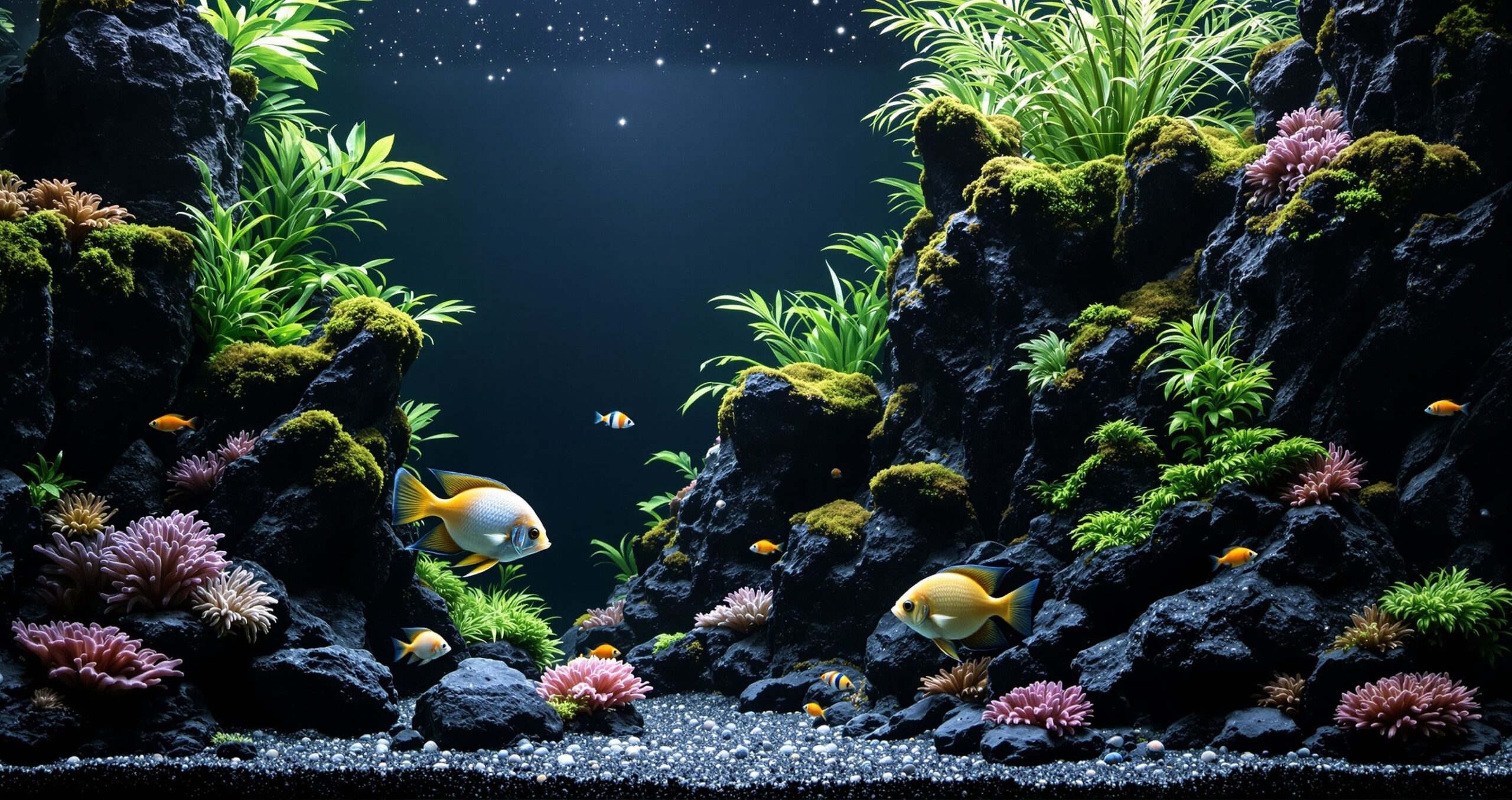
Push beyond the basics and enter a world where precision, patience, and passion come together to create truly extraordinary aquatic life. “Advanced & Exotic Breeding Projects” is designed for experienced aquarists ready to take on rare species, complex breeding conditions, and the thrill of mastering nature’s most intricate reproductive behaviors. Here, breeding becomes both an art and a science. From delicate egg scatterers requiring exact water chemistry to mouthbrooders and species with highly specialized spawning rituals, these projects challenge your skills while offering unmatched rewards. You’ll explore advanced techniques like conditioning with live foods, controlling light cycles, and fine-tuning parameters to mimic natural habitats with stunning accuracy. Each article dives deep into the nuances that separate success from failure—covering rare species profiles, breeding triggers, and the critical care needed for fragile fry. This is where curiosity meets dedication, and where experienced hobbyists transform their aquariums into living laboratories. For those ready to level up, this category unlocks the most captivating and rewarding side of fishkeeping.
A: It usually involves specialized water chemistry, rare behaviors, delicate fry, or species that do not breed reliably in standard aquarium conditions.
A: Usually yes, because they often need more exact triggers, closer monitoring, and more specialized foods or tank design.
A: In many cases yes, because live foods help condition adults and are often essential for the first feeding stages of tiny fry.
A: They may still be missing a key trigger such as seasonal temperature shifts, softer water, extra cover, courtship space, or a conditioning period.
A: It can be very helpful for softwater species because it allows you to control hardness and mineral content more precisely.
A: Sometimes, but only when parental care is unreliable or when eggs are at high risk from fungus, predation, or handling stress.
A: Keep accurate lineage records, avoid accidental hybrids, and outcross responsibly when possible.
A: Many are extremely small, sensitive to water swings, and dependent on specific live foods during their earliest days.
A: It is possible in rare cases, but most advanced projects do much better in dedicated species-focused setups.
A: Careful observation, exact environmental control, and the willingness to learn from repeated trial and error.