
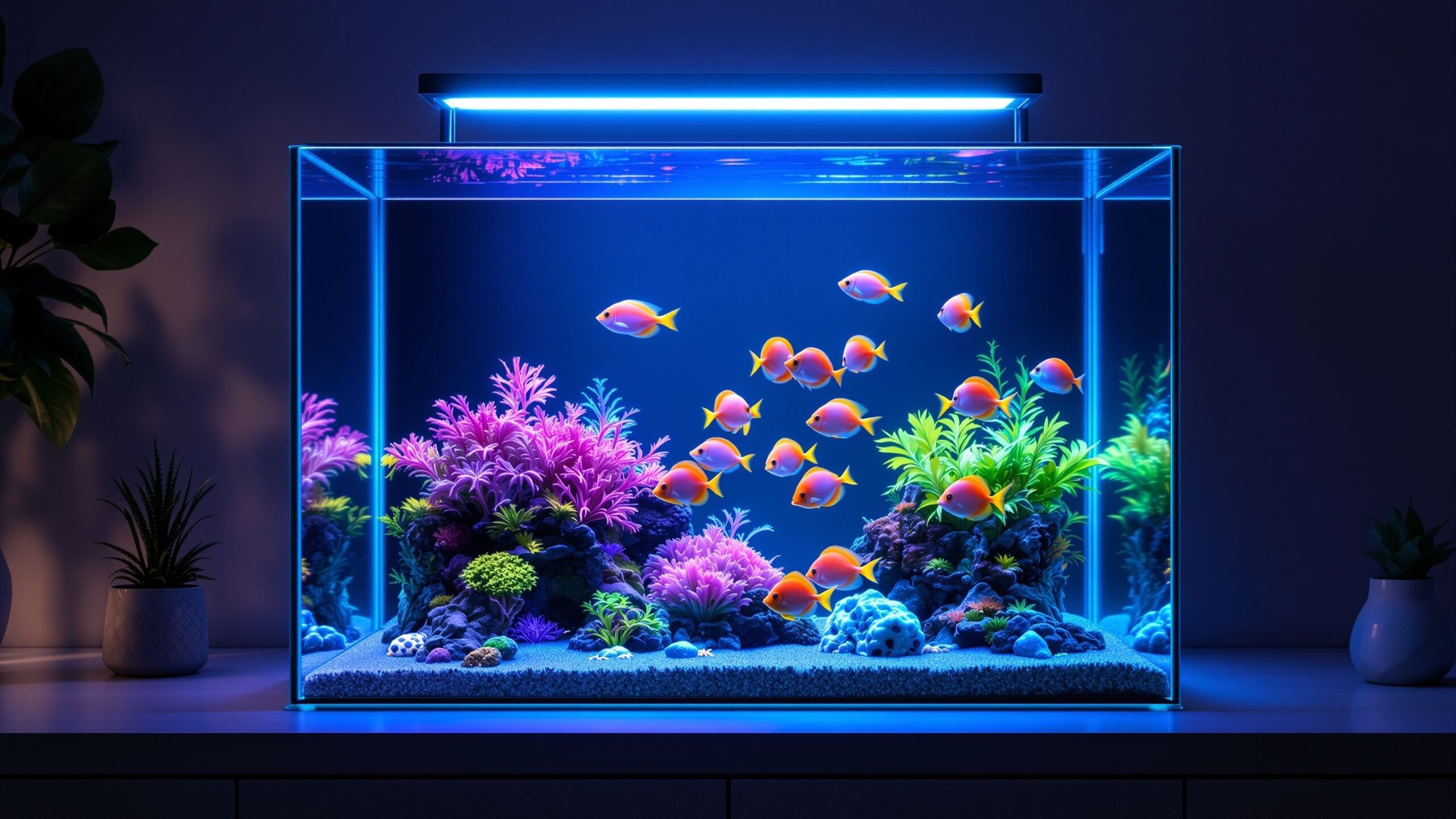
Aquariums are no longer just glass boxes—they’re becoming fully connected ecosystems powered by smart technology. With modern controllers and automation systems, you can monitor, adjust, and fine-tune your tank from anywhere, bringing precision and peace of mind to every aspect of aquarium care. From temperature and lighting schedules to feeding routines and water parameters, smart tech puts total control right at your fingertips. Today’s systems go far beyond simple timers. Advanced controllers can sync lighting cycles to natural day-night rhythms, regulate heaters and chillers, automate dosing for perfect water chemistry, and even send real-time alerts to your phone if something goes off track. Whether you’re managing a delicate reef tank or a planted freshwater setup, these tools help create stability—one of the most important factors for long-term success. But with so many apps, hubs, and connected devices available, choosing the right setup can feel overwhelming. That’s where this page comes in. Explore expert guides, system comparisons, and practical insights to build a smarter, more efficient aquarium. Step into the future of fishkeeping—where technology keeps your tank thriving, even when you’re away.
A: No, but it can make maintenance easier and more consistent, especially for busy schedules.
A: They can be very valuable for advanced setups or anyone wanting more automation and monitoring.
A: No. It helps support care but does not replace water changes, testing, and observation.
A: A timer for lights or a smart plug is often the simplest and most useful first step.
A: It is best to use them as support tools while still checking your tank regularly.
A: Many modern systems allow full remote control through mobile apps.
A: Most devices continue running their last programmed schedule, but remote access may be limited.
A: Yes, when set up correctly, but it is still good to test them before relying on them long-term.
A: Not necessarily, but even small upgrades can improve consistency and reduce daily effort.
A: It can reduce risks and provide early warnings, but it cannot guarantee prevention without proper care.