
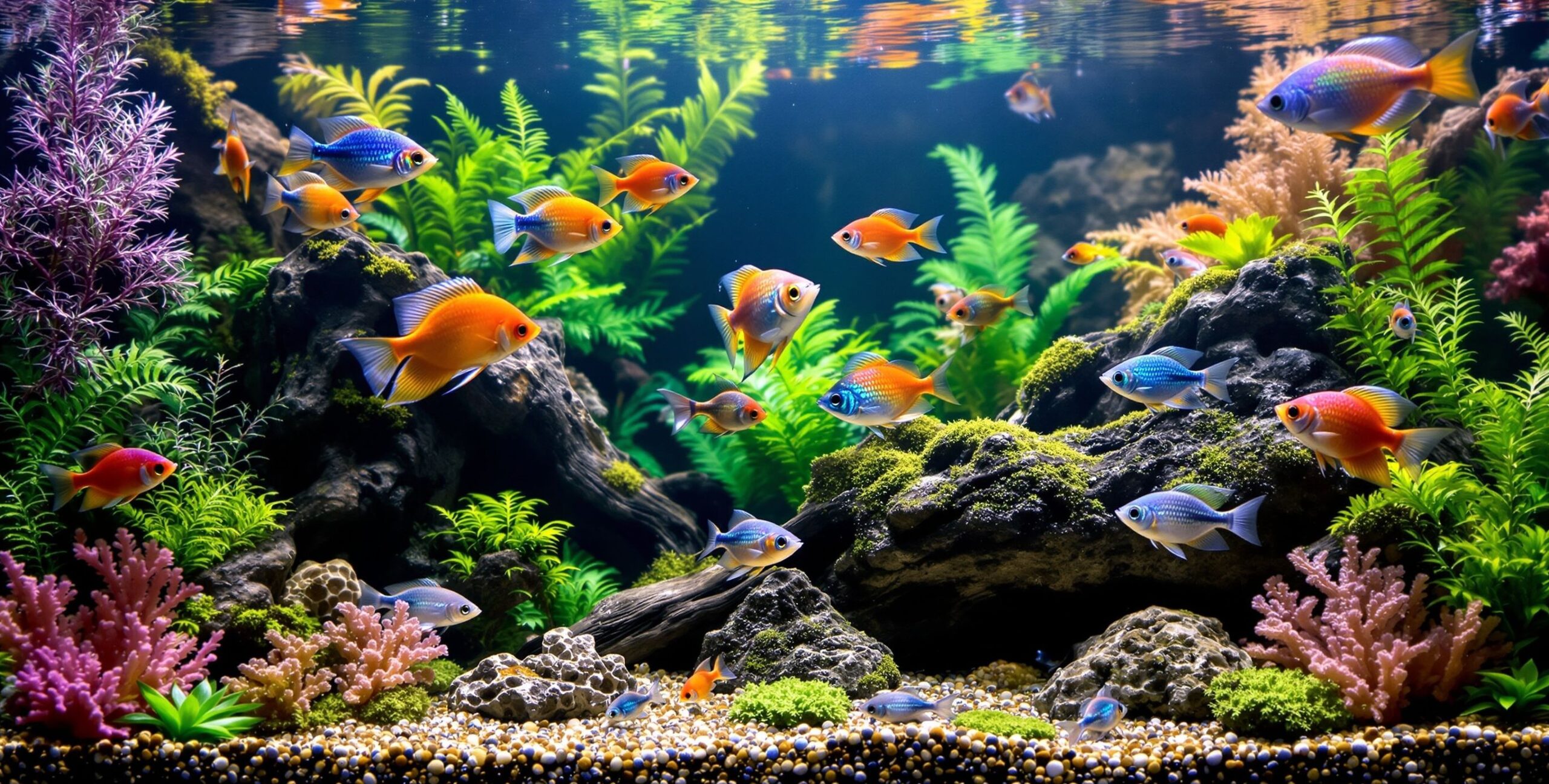
Unlock the science behind the stunning colors and patterns that make aquarium species truly unforgettable. “Color Morph Genetics” dives into the fascinating world of inheritance, mutation, and selective breeding—where aquarists can shape the appearance of future generations with knowledge and precision. From vibrant guppy strains to rare shrimp color lines and striking cichlid variations, this category explores how traits are passed down and how new morphs are developed. You’ll learn the basics of dominant and recessive genes, line breeding techniques, and how to stabilize desirable traits over time. Understanding genetics not only helps you predict outcomes, but also allows you to avoid common pitfalls like weak lines or unwanted traits. Each article breaks down complex concepts into practical, easy-to-follow insights, helping you build healthier, more visually stunning populations. Whether you’re aiming to intensify colors, create unique patterns, or preserve rare genetic lines, the possibilities are endless. This is where creativity meets biology—turning your aquarium into a living canvas shaped by science and vision.
A: A variation in color or pattern caused by genetic differences within a species.
A: Sometimes, but results can vary depending on genetics and trait complexity.
A: Breeding closely related individuals to strengthen specific traits.
A: It can be if overused, as it may lead to health issues and reduced genetic diversity.
A: Introducing unrelated genetics to improve vigor and reduce risks of inbreeding.
A: Genetic variation and hidden traits can produce different outcomes.
A: No, but it can influence how colors are displayed.
A: Through selective breeding, record-keeping, and careful pairing.
A: Not always—some traits may be linked to health concerns.
A: Understanding genetics, maintaining diversity, and breeding responsibly.