

Uncommon Imports celebrates the strange, the spectacular, and the wonderfully unexpected. These are the rare and oddball fish that turn aquariums into living showcases of discovery—species with unusual shapes, surreal colors, quirky behaviors, and mysterious origins. From ropefish that move like ancient aquatic serpents to glass catfish that shimmer with near invisibility and celestial pearl danios that glow like tiny galaxies, these remarkable creatures offer an entirely different kind of wonder. On this Uncommon Imports page, you’ll explore the hidden gems of the freshwater world—species that demand curiosity, creativity, and a willingness to step beyond the usual. Learn what makes each oddball unique, how to craft habitats that match their specialized needs, and which setups help them thrive rather than merely survive. Whether you’re a seasoned aquarist searching for your next standout species or a curious newcomer drawn to the unusual, this sub-category opens the door to a world where every fish tells a story unlike any other. Dive into the extraordinary and build a tank full of aquatic marvels.
A: Often yes. Many have stricter water needs, specialized diets, and higher sensitivity to stress and transport.
A: Absolutely. Quarantine protects both your new imports and your established fish from disease and parasites.
A: Sometimes, but many are best kept in species-only or carefully curated setups that match their temperament and size.
A: Start with foods close to their natural diet—live or frozen micro-prey, algae, wood, or specialized pellets—then adapt as they adjust.
A: Stress, unfamiliar foods, and bright lights can suppress appetite. Dim the tank, offer varied foods, and avoid constant disturbance.
A: Very important for many rare imports; soft vs. hard water, pH, and temperature all affect health, color, and longevity.
A: Not always, but many are. Ask suppliers about origin and choose captive-bred options when available.
A: Sometimes yes—but it often requires dedicated breeding setups, careful conditioning, and research into specific spawning cues.
A: Overcollection, habitat loss, and illegal trade can threaten wild populations—support responsible, transparent sourcing.
A: Buying on impulse for looks alone, without understanding adult size, water needs, social behavior, or long-term care requirements.

The Ultimate Guide to Rare and Oddball Freshwater Fish
Rare and oddball freshwater fish are among the most fascinating creatures on Earth. From fish that navigate using electricity to species that look prehistoric, this guide explores the strangest freshwater fish and the incredible adaptations that make them unique.
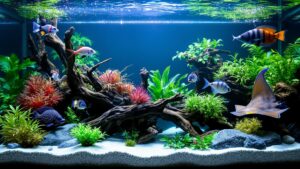
Best Oddball Fish for Unique Aquarium Setups
Looking for something beyond typical aquarium fish? This guide explores the best oddball fish for unique aquarium setups, from prehistoric predators to electric navigators and living works of art.