
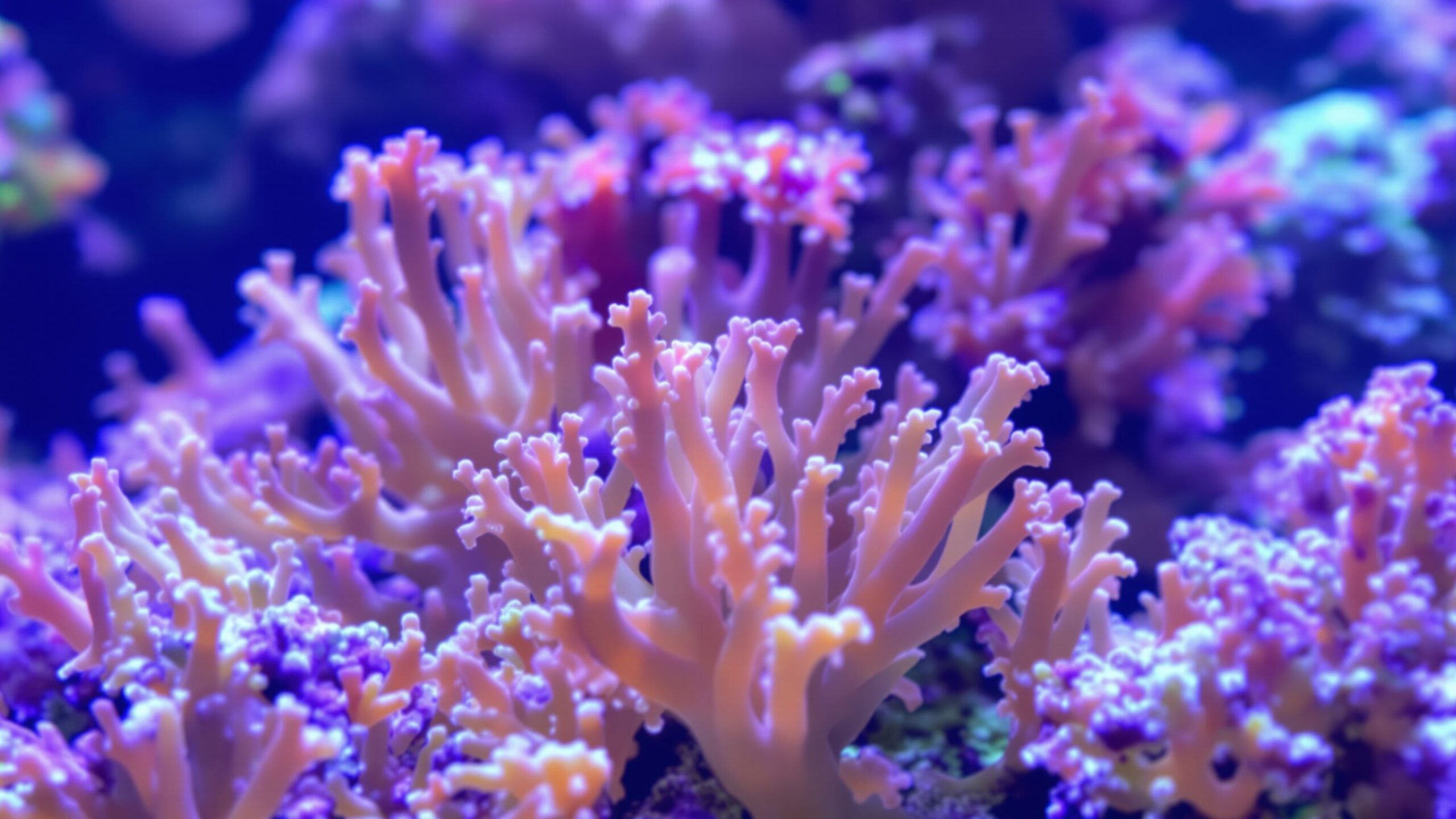
Dive into one of the most mesmerizing and advanced aspects of reef keeping—where corals don’t just grow, they reproduce, regenerate, and transform your aquarium into a living ecosystem. “Coral Spawning & Fragging” explores the delicate balance between natural reproduction and hands-on propagation, giving aquarists the tools to both witness and shape reef life in real time. From synchronized spawning events that mirror ocean cycles to the precise art of fragging, this category reveals how corals multiply and thrive under the right conditions. You’ll learn how lighting schedules, water chemistry, and seasonal cues can trigger spawning, as well as how to safely frag corals to encourage growth and share colonies responsibly. Each article breaks down techniques for maintaining coral health, preventing stress, and ensuring successful propagation—whether you’re working with hardy soft corals or more demanding SPS species. Along the way, you’ll gain a deeper appreciation for coral biology and the intricate relationships that sustain reef environments. This is where science meets sustainability, empowering you to grow, preserve, and even contribute to the future of reef keeping.
A: When done properly, most corals recover quickly and continue growing without long-term harm.
A: It depends on the species—some grow in weeks, while others take months to show noticeable growth.
A: Basic tools like cutters, glue, and plugs are usually enough for most beginner to intermediate fragging.
A: Most can, but techniques vary depending on whether they are soft, LPS, or SPS corals.
A: They may need more time, stable parameters, or better placement with proper light and flow.
A: When the coral is healthy, growing, and the tank is stable—avoid fragging stressed colonies.
A: Yes, through spawning, though it is much harder to achieve in home aquariums.
A: Yes, dipping helps remove pests and prevent introducing problems into your tank.
A: New frags often benefit from slightly lower light until they adjust and begin growing.
A: Fragging unhealthy corals or failing to maintain stable water conditions during recovery.