
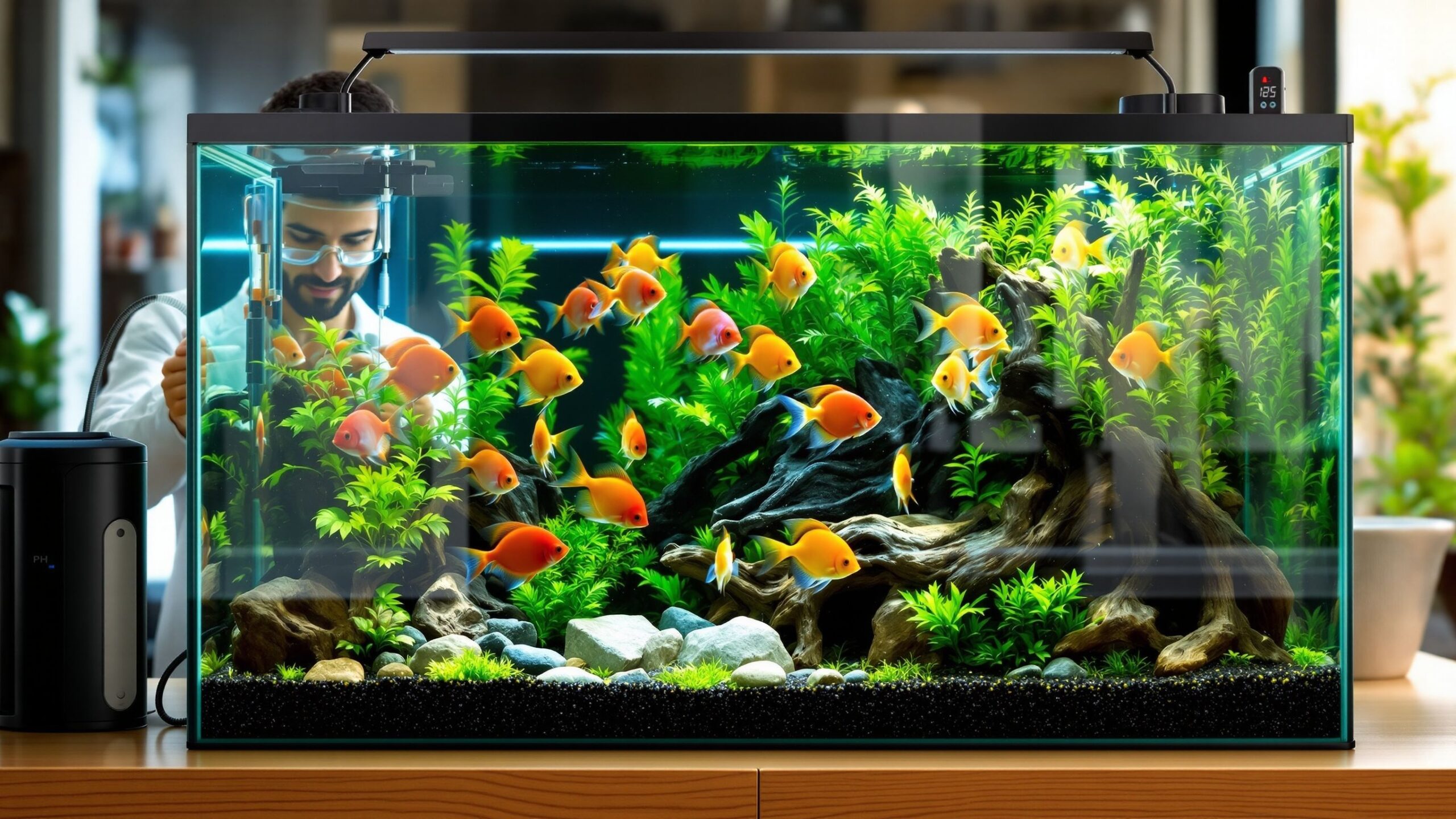
Keeping an aquarium is more than a hobby—it’s a responsibility to recreate and respect the delicate balance of nature within glass walls. Every decision, from the species you choose to the way you maintain your tank, has an impact on both your aquatic environment and the ecosystems those species come from. Eco ethics is about making informed, thoughtful choices that prioritize animal welfare, sustainability, and long-term stability. In this section, you’ll explore what it truly means to be a responsible aquarist. Learn about ethical sourcing, avoiding wild overharvesting, proper tank sizing, and creating environments that meet the natural needs of your fish and invertebrates. Discover how mindful practices—like reducing waste, conserving water, and supporting sustainable suppliers—can make a meaningful difference. Whether you’re new to the hobby or refining your approach, these articles guide you toward a deeper, more conscious way of keeping aquatic life. Because when care meets knowledge, your aquarium becomes more than beautiful—it becomes a reflection of respect for the living world.
A: Providing proper care, research, and long-term commitment to aquarium animals.
A: No, it can harm ecosystems and is often illegal.
A: They are more sustainable and often better suited for aquarium life.
A: Obtaining animals from sustainable, humane, and environmentally responsible sources.
A: Research adult sizes and follow stocking guidelines.
A: It prevents disease from spreading to established fish.
A: Yes, poor conditions can lead to stress and health issues.
A: Consider humane treatment or euthanasia if necessary.
A: Buy responsibly, research species, and share knowledge.
A: Yes, it reduces demand for unsustainable practices and promotes awareness.