
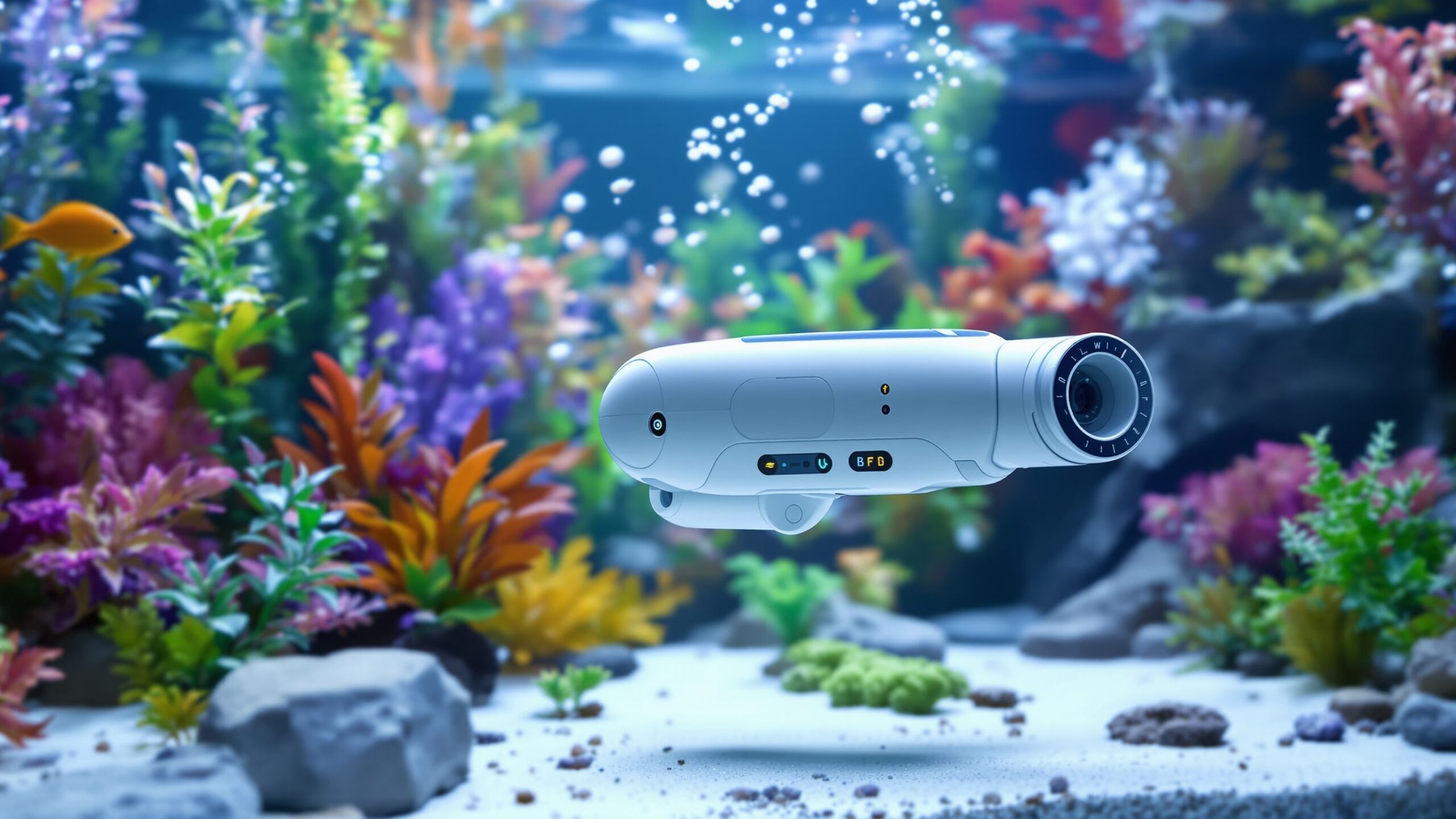
Beneath the surface of our waters, a new wave of innovation is transforming how we explore, monitor, and understand aquatic environments. Aquatic robotics and ocean technology bring together engineering, data science, and marine biology to unlock secrets that were once out of reach. From autonomous underwater vehicles mapping the ocean floor to smart sensors tracking water quality in real time, technology is becoming an essential partner in aquatic discovery. In this section, you’ll dive into the cutting-edge tools shaping the future of aquatic science. Explore how robotic systems navigate complex underwater terrains, how AI-driven monitoring improves ecosystem management, and how advanced equipment helps protect fragile habitats. Discover how these innovations are used not only in vast oceans but also in controlled environments like aquariums, where precision and automation can elevate care to a new level. Whether you’re fascinated by futuristic tech or looking to enhance your own aquatic setup, these articles reveal how robotics and innovation are redefining what’s possible beneath the surface—bridging the gap between science, exploration, and the living world.
A: It can influence water source quality, temperature stability, and species availability.
A: They rely on narrow temperature and chemical ranges to maintain their symbiotic relationships.
A: Some can, but rapid changes often outpace their ability to adapt.
A: It is the lowering of ocean pH due to dissolved carbon dioxide.
A: Yes, through droughts, temperature shifts, and altered water flow patterns.
A: Yes, through education, sustainable practices, and supporting conservation efforts.
A: Fish and many aquatic organisms rely on it for respiration.
A: Stress from heat or poor conditions causes corals to lose their symbiotic algae.
A: Through long-term data collection, modeling, and field research.
A: Impacts can be reduced, but long-term recovery depends on global action.