

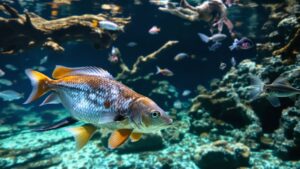
Best Freshwater Predator Fish for Home Aquariums
Freshwater predator fish bring power, intelligence, and excitement to any aquarium. From the interactive Oscar to the majestic Arowana, these species showcase natural hunting instincts and bold personalities. This guide explores the best predator fish for home aquariums, along with essential tips on tank setup, feeding, and long-term care for a successful and visually striking aquatic environment.
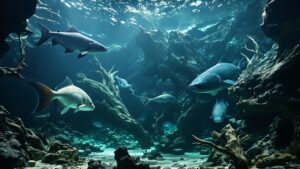
Monster Fish Guide: The Biggest Freshwater Predators Explained
Monster freshwater fish capture the imagination with their massive size, raw power, and fascinating behaviors. From enormous catfish to legendary predators like Arowanas and Peacock Bass, these giants dominate their environments. This guide dives into the world of the biggest freshwater predators, explaining their traits, care requirements, and what aquarists should know before keeping these incredible species.
Best Predator Fish for Large Aquariums
Large aquariums open the door to some of the most exciting freshwater predator fish in the hobby. From intelligent Oscars to powerful Peacock Bass and majestic Arowanas, these species combine size, personality, and dramatic behavior. This guide explores the best predator fish for large tanks, covering care requirements, feeding habits, compatibility, and expert tips for building a thriving predator aquarium.
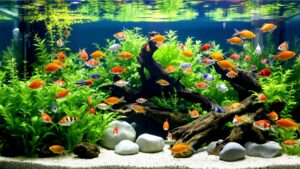
The Ultimate Guide to Classic Freshwater Aquarium Fish
Learn everything you need to know about classic freshwater aquarium fish, from choosing compatible species to creating a healthy, colorful, and long-lasting community aquarium.
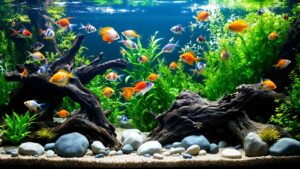
Iconic Aquarium Fish That Defined the Hobby
From elegant angelfish to colorful guppies and schooling neon tetras, these iconic aquarium fish have inspired generations of hobbyists. Learn what made them legendary and why they continue to thrive in modern aquariums.
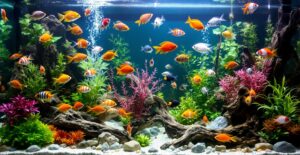
Top Timeless Aquarium Fish That Never Go Out of Style
Some aquarium fish have remained favorites for decades because of their beauty, personality, and ease of care. Explore the timeless freshwater species that continue to captivate hobbyists around the world.