
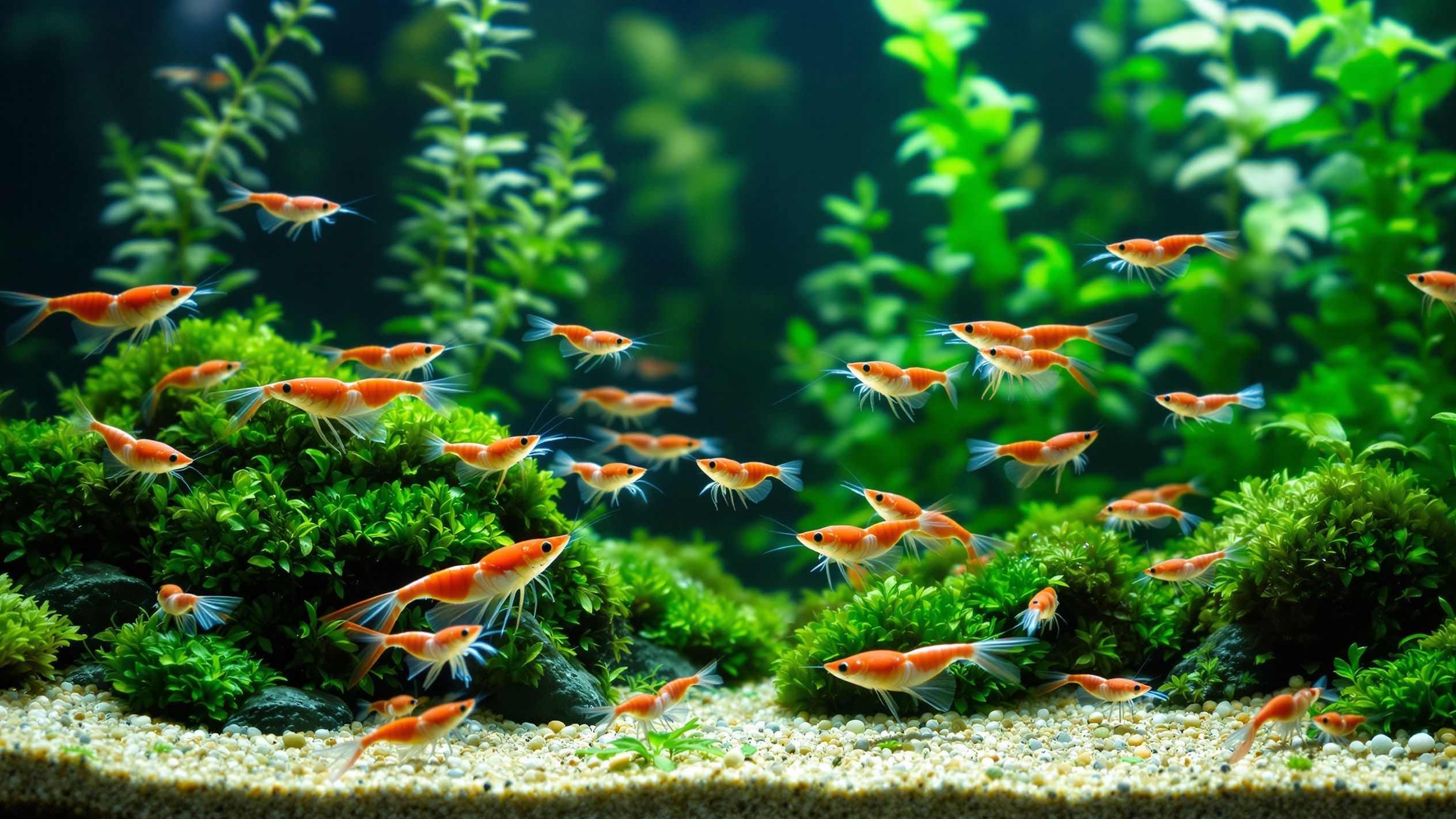
Step into the intricate and endlessly fascinating world of shrimp and crustacean breeding, where tiny details make a big difference and every success feels like a breakthrough. “Shrimp & Crustacean Breeding” invites aquarists to explore the delicate life cycles, behaviors, and environments that allow these captivating creatures to thrive and reproduce. From colorful freshwater shrimp like Neocaridina and Caridina to more complex species with larval stages, this category uncovers the secrets behind successful breeding setups. You’ll learn how to fine-tune water parameters, establish stable biofilms, and create safe spaces for berried females and vulnerable young. Observing molting cycles, mating behavior, and larval development brings a whole new level of appreciation to your aquarium. Each article offers practical guidance, troubleshooting tips, and insights into species-specific needs—helping you avoid common pitfalls while maximizing survival rates. Whether you’re growing a vibrant shrimp colony or attempting more advanced crustacean projects, the journey is both challenging and deeply rewarding. Here, patience meets precision, and even the smallest life forms become the stars of your aquatic world.
A: Neocaridina shrimp, like cherry shrimp, are among the easiest for beginners.
A: Many species reproduce regularly once mature, with eggs hatching in a few weeks.
A: Not always, but a species-only tank improves survival rates.
A: Common causes include unstable water, lack of food, stress, or improper parameters.
A: Mostly biofilm, algae, and fine particulate foods in the tank.
A: Some can, but fish may eat baby shrimp, reducing colony growth.
A: You will see eggs carried under the abdomen, often called being “berried.”
A: Yes, especially copper and certain medications, which can be fatal.
A: Small amounts every few days, depending on natural food availability.
A: Stability, clean water, and a well-established tank ecosystem.