
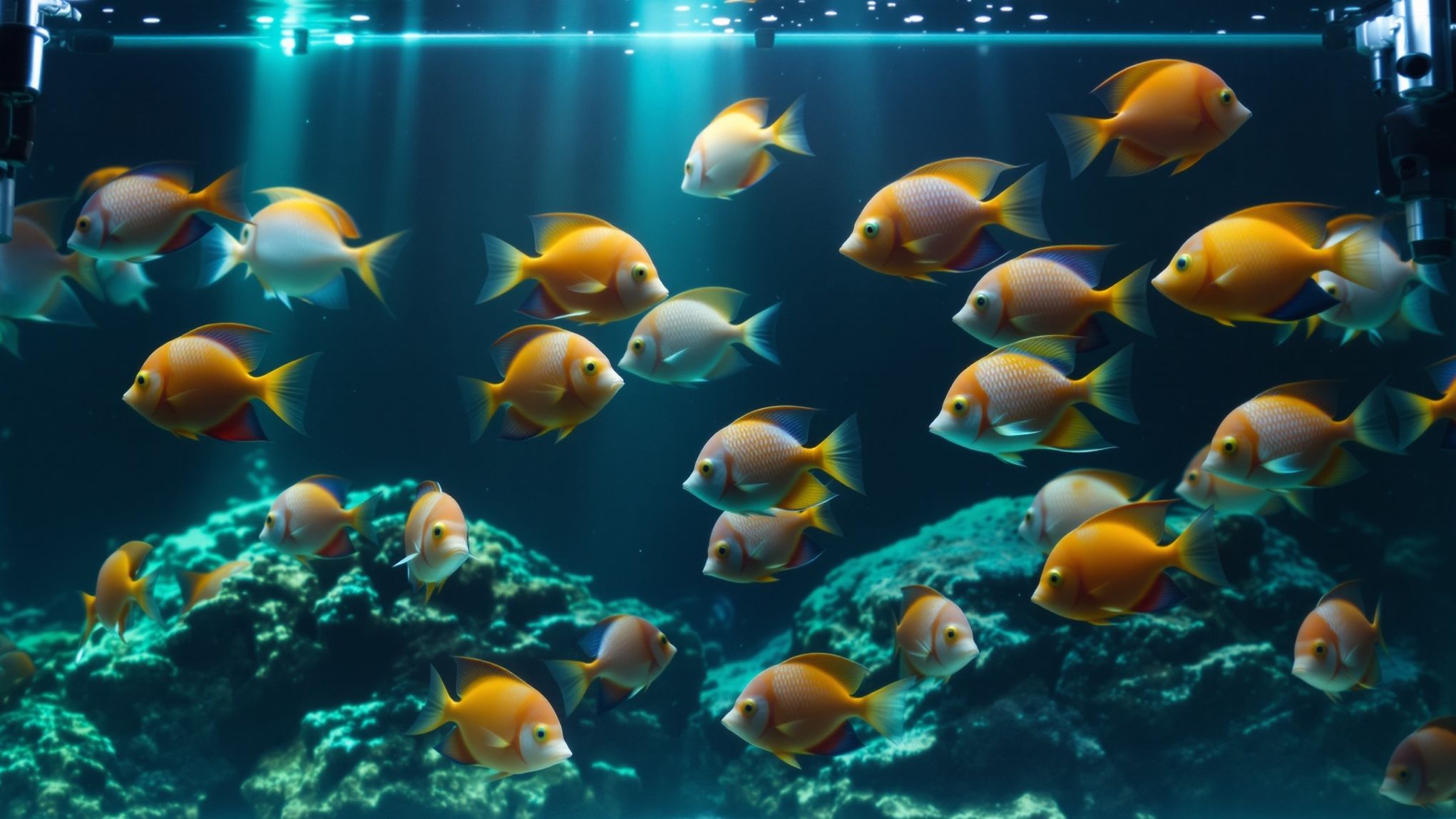
Behind every thriving aquarium is a powerful, unseen force—its filtration and water movement system. Filters and pumps are the heartbeat of your tank, working around the clock to keep water clean, oxygen-rich, and safe for your aquatic life. From removing waste and toxins to creating gentle currents that mimic natural habitats, the right setup can mean the difference between a struggling tank and a vibrant, balanced ecosystem. Whether you’re setting up a peaceful freshwater community or a dynamic saltwater reef, understanding filtration types—mechanical, biological, and chemical—is essential. Pair that with the right pump, and you can fine-tune flow patterns, improve circulation, and support everything from delicate plants to active swimmers and corals. But with so many options—hang-on-back filters, canister systems, sponge filters, wavemakers—it’s easy to feel overwhelmed. This page brings everything together. Explore expert guides, in-depth comparisons, and must-know tips to help you choose the perfect filters and pumps for your aquarium. Build a system that doesn’t just maintain your tank—but elevates it.
A: Most do, because filters help with waste control, water movement, and biological stability.
A: Sponge filters and hang-on-back filters are both popular beginner choices because they are simple and effective.
A: Clean mechanical media when flow drops or debris builds up, but avoid over-cleaning all media at once.
A: It is usually better not to, because replacing everything at once can remove too much beneficial bacteria.
A: Common causes include clogged media, dirty impellers, blocked intake sponges, or buildup in tubing.
A: No. Air pumps push air through tubing, while water pumps move water directly through filtration or circulation systems.
A: No. Too much flow can stress certain fish, disturb plants, and make feeding harder for delicate species.
A: It depends on the tank and livestock, but many setups aim for several times the tank volume per hour.
A: Usually yes, because circulation and biofiltration still play major roles in overall tank health.
A: Noise can come from trapped air, a dirty impeller, vibration, low water level, or worn parts.