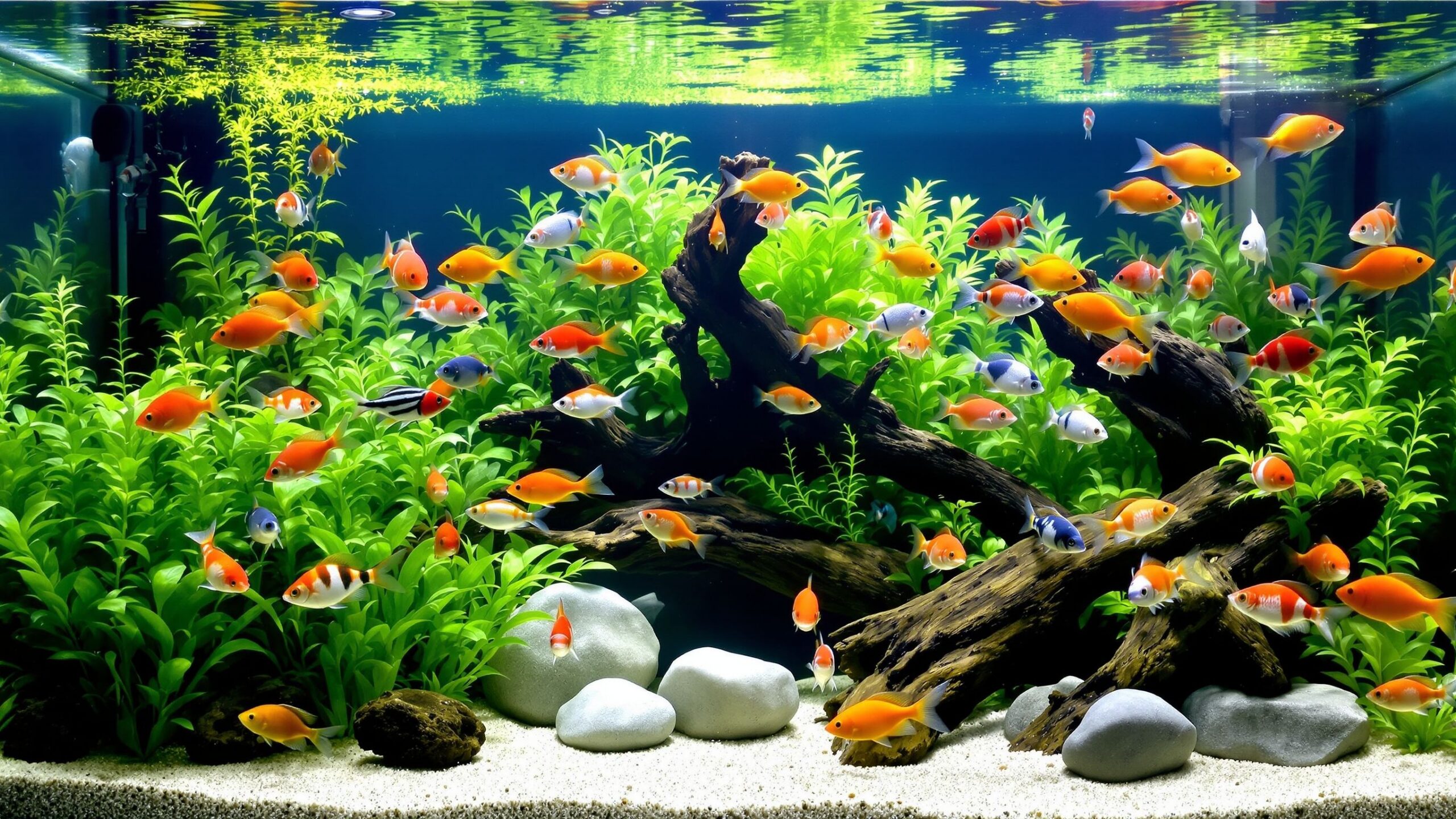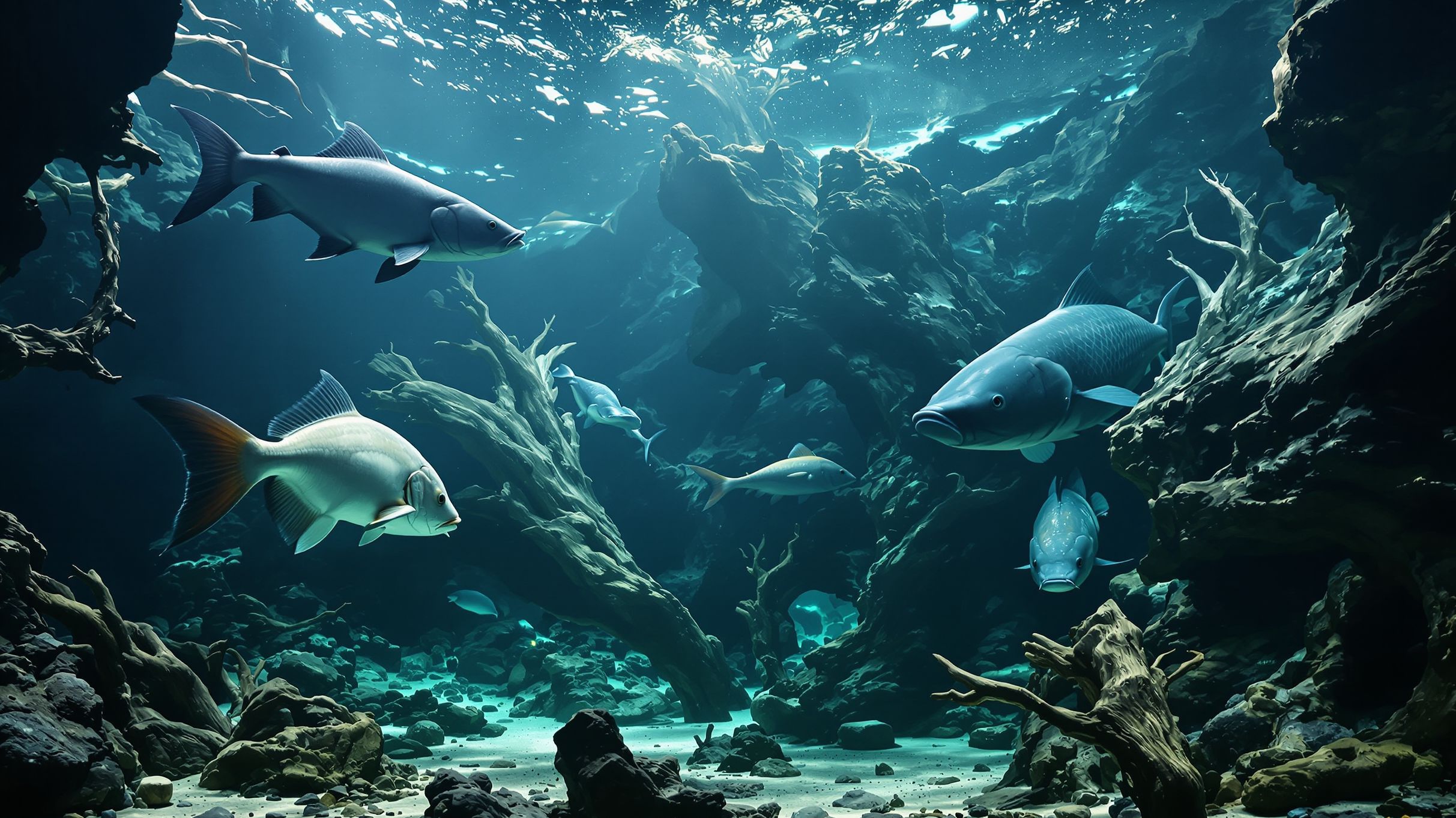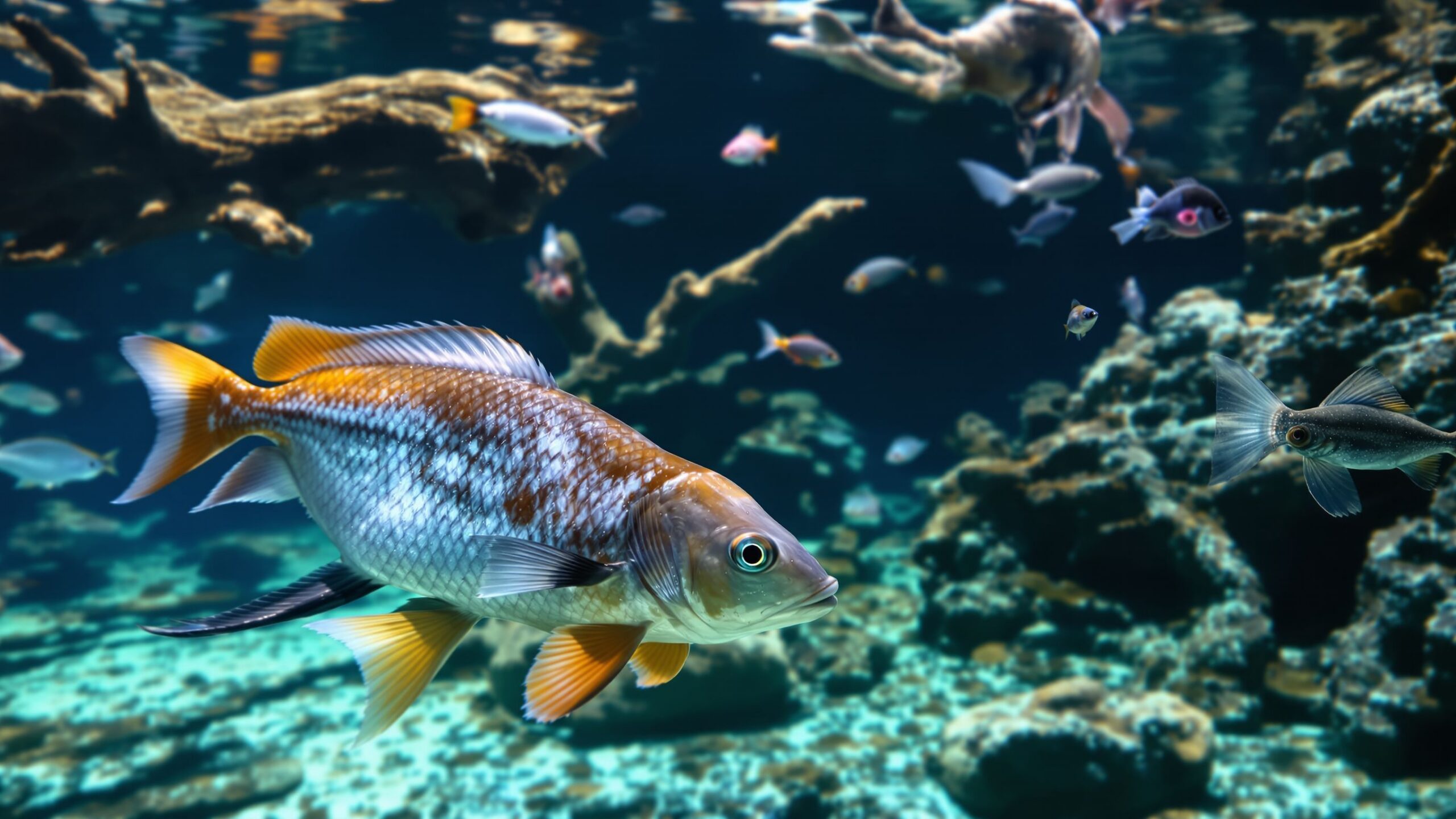
Freshwater aquariums have long been celebrated for their vibrant colors, calming movement, and intricate ecosystems, but there is a thrilling side to fishkeeping that appeals to those who crave excitement and raw natural behavior. Predator fish bring a sense of drama and authenticity to aquariums, showcasing instinct, power, and intelligence in ways that peaceful community fish rarely do. Watching a predator glide through the water, assess its environment, and strike with precision can feel like observing a miniature version of nature’s most fascinating food chains. Keeping freshwater predator fish, however, is not simply about choosing the most aggressive species and placing them in a tank. It requires thoughtful planning, an understanding of behavior, and a commitment to maintaining ideal conditions that support both health and ethical care. Predator fish tend to grow larger, produce more waste, and require more specialized diets than typical aquarium fish. Yet for aquarists willing to take on the challenge, the reward is a captivating and dynamic aquatic display that stands apart from traditional setups.
A: Smaller predator species like African butterfly fish, leaf fish, some dwarf pike cichlids, and certain bichirs can be good choices with proper research.
A: Sometimes, but tank mates must be too large to eat and compatible in temperament.
A: Usually no. Most can thrive on quality pellets, frozen foods, worms, shrimp, insects, and prepared meaty foods.
A: Yes, but they need a large tank, strong filtration, and careful tank mate planning.
A: It depends on the species, but most need larger tanks than standard community fish because of size, waste, and territory needs.
A: Yes, if their adult sizes, aggression levels, swimming zones, and diets are compatible.
A: It may be stressed, nocturnal, newly introduced, or lacking enough cover and dim areas.
A: Many adults do well with several controlled feedings per week, while juveniles usually need more frequent meals.
A: Yes. Many puffers hunt snails, crustaceans, worms, and small aquatic prey.
A: Buying juvenile fish without planning for adult size, aggression, tank space, and long-term care.
Understanding Predator Fish Behavior
Predator fish are defined by their carnivorous diets and hunting instincts. In the wild, they rely on a variety of strategies to capture prey, including ambush tactics, high-speed pursuit, and opportunistic feeding. These instincts do not disappear in captivity. Instead, they become part of what makes predator aquariums so compelling. Watching a fish stalk its food or react to movement in the tank offers a glimpse into natural behaviors that are rarely seen in peaceful community species.
Some predators, like cichlids, are highly intelligent and can recognize patterns, routines, and even their owners. Others, such as bottom-dwelling hunters, rely on scent and subtle vibrations to locate food. Understanding these behaviors allows aquarists to create environments that encourage natural activity while maintaining a safe and controlled setting. Responsible fishkeeping avoids unnecessary stress and focuses on meeting dietary and environmental needs without relying on live feeding whenever possible.
Tank Requirements for Predator Fish
Predator fish require larger and more robust aquarium setups than most freshwater species. Many grow quickly and can reach substantial sizes, making tank capacity one of the most important considerations. A small juvenile predator may seem manageable at first, but without adequate space to grow, it can become stressed and unhealthy.
Filtration is equally critical. Carnivorous diets produce more waste, which can quickly degrade water quality if not properly managed. High-capacity filtration systems, combined with consistent water changes, are essential for maintaining stable conditions. Water parameters such as temperature, pH, and hardness should be monitored closely to match the natural habitat of the species being kept.
Aquascaping should provide a balance between open swimming areas and structured hiding spots. Rocks, driftwood, and durable plants can create territories and reduce stress, especially for species that prefer cover. Lighting and water flow should also be tailored to each species, as some predators thrive in dim environments while others prefer brighter conditions.
Oscar Fish: Intelligent and Engaging
The Oscar fish is one of the most popular freshwater predator species, known for its intelligence, bold personality, and interactive behavior. Often compared to a pet dog, the Oscar can recognize its owner, respond to movement outside the tank, and develop distinct feeding habits. Its expressive nature makes it a favorite among aquarists who want a more personal connection with their fish.
Oscars require spacious tanks, typically starting at 55 gallons for a single individual, though larger setups are strongly recommended. They are messy eaters and produce significant waste, which means strong filtration is essential. Their diet includes high-quality pellets, frozen foods, and occasional protein-rich treats. While they can sometimes coexist with similarly sized fish, their aggressive tendencies mean that tank mates must be chosen carefully.
Arowana: The King of the Aquarium
Arowanas are often considered one of the most majestic freshwater predator fish available to aquarists. With their elongated bodies, metallic scales, and graceful swimming patterns, they dominate the upper levels of the aquarium. Their ability to leap for food in the wild adds to their mystique, though it also means aquariums must be securely covered to prevent escape.
These fish require extremely large tanks, often exceeding 150 gallons, and are best suited for experienced keepers. Arowanas are typically kept alone due to their territorial nature. Their diet consists of protein-rich foods, and while they can be trained to accept pellets, many aquarists supplement with frozen or fresh options. Their presence alone can transform an aquarium into a striking centerpiece.
Peacock Bass: Speed and Power
Peacock bass are powerful predators known for their vibrant coloration and explosive movement. Native to South America, these fish are built for speed and agility, making them one of the most exciting species to observe in a large aquarium. Their hunting behavior is active and direct, often involving rapid bursts of movement to capture prey.
These fish grow quickly and require tanks of at least 100 gallons or more. They thrive in environments with ample swimming space and minimal obstructions. Their diet is protein-heavy, consisting of fish, shrimp, and other meaty foods, though many adapt well to prepared diets. Due to their size and aggression, they are typically kept with other large, robust species or housed alone.
Red Tail Catfish: Massive and Impressive
The red tail catfish is a true giant in the aquarium world, known for its impressive size and distinctive coloration. With a dark body and bright red tail, it is both striking and powerful. Despite its size, it is relatively calm in temperament, though it will consume any fish small enough to fit into its mouth.
This species is best suited for very large aquariums or indoor pond setups, as it can grow to enormous lengths. Its diet includes a wide range of meaty foods, and its waste output requires heavy-duty filtration systems. While it may appear gentle compared to more aggressive predators, its size alone makes it a challenging species that demands careful planning and long-term commitment.
African Cichlids: Colorful and Territorial
African cichlids offer a unique take on predator fishkeeping, combining aggression with stunning coloration and complex social behaviors. Found in lakes such as Malawi and Tanganyika, these fish are known for their territorial nature and dynamic interactions within the tank.
While not all African cichlids are strict predators, many exhibit opportunistic feeding habits and assertive personalities. They thrive in rocky aquascapes that provide plenty of hiding places and defined territories. Tank stocking must be carefully managed to balance aggression levels and prevent excessive conflict. Their diet varies by species, often including both protein and plant-based components.
Pike Cichlids: Sleek Hunters
Pike cichlids are slender, fast-moving predators that resemble freshwater barracudas. Their streamlined bodies and sharp features make them efficient hunters, often relying on ambush tactics to capture prey. They are highly intelligent and can display curious and interactive behavior within the aquarium.
These fish require spacious tanks with a combination of open swimming areas and hiding spots. They are aggressive toward smaller fish and should be housed with caution. Their diet consists primarily of meaty foods, and they adapt well to frozen options. Their striking appearance and active nature make them a compelling choice for dedicated predator setups.
Bichirs: Ancient and Unique
Bichirs are among the most unusual freshwater predator fish, often described as living fossils due to their ancient lineage. Their armored bodies and distinctive movement patterns give them a prehistoric appearance that sets them apart from other aquarium species. They are primarily bottom dwellers, using scent and subtle cues to locate food.
Bichirs are relatively hardy and adaptable, making them suitable for aquarists with some experience. They require secure tanks, as they are known to escape if given the opportunity. Their diet includes worms, shrimp, and other protein-rich foods. While they can coexist with larger tank mates, smaller fish are at risk due to their predatory nature.
Choosing the Right Predator Fish
Selecting the right freshwater predator fish depends on several factors, including tank size, experience level, and long-term commitment. Some species are more forgiving and adaptable, making them suitable for those new to predator fishkeeping, while others require advanced knowledge and resources.
Compatibility is a major concern, as predator fish often view smaller tank mates as food. Careful research and planning are essential to create a balanced environment where all inhabitants can thrive. Understanding growth rates, dietary needs, and behavioral tendencies ensures a successful and sustainable aquarium.
Feeding and Nutrition
Feeding predator fish properly is essential for their health and well-being. While live feeding may seem natural, it is not necessary and can introduce diseases or parasites. High-quality pellets, frozen foods, and occasional fresh treats provide a balanced diet without the risks associated with live prey.
Consistency in feeding schedules helps maintain stable behavior and prevents overfeeding. Predator fish are often enthusiastic eaters, but excessive feeding can lead to poor water quality and health issues. Monitoring feeding habits also provides valuable insight into the overall health of the fish.
Building a Successful Predator Aquarium
Creating a thriving predator aquarium requires dedication, research, and attention to detail. From selecting the right species to maintaining water quality and providing proper nutrition, every aspect plays a role in the success of the setup. Predator fish offer a unique opportunity to observe powerful and intelligent creatures in a controlled environment, bringing a sense of excitement and authenticity to the aquarium hobby.
For aquarists willing to embrace the challenge, freshwater predator fish deliver an unforgettable experience. Their presence transforms an aquarium into a dynamic ecosystem where every movement reflects instinct, adaptation, and survival.