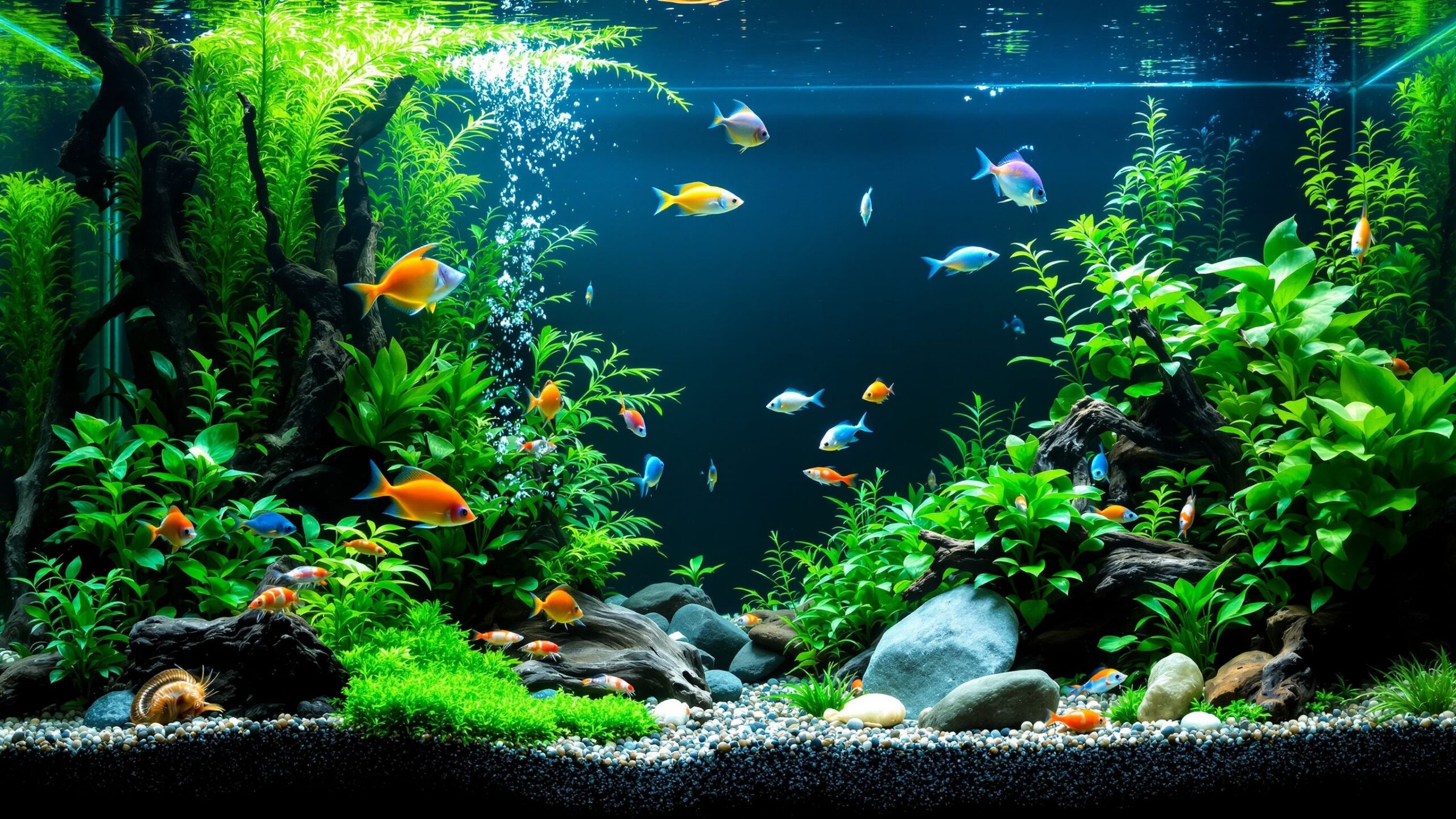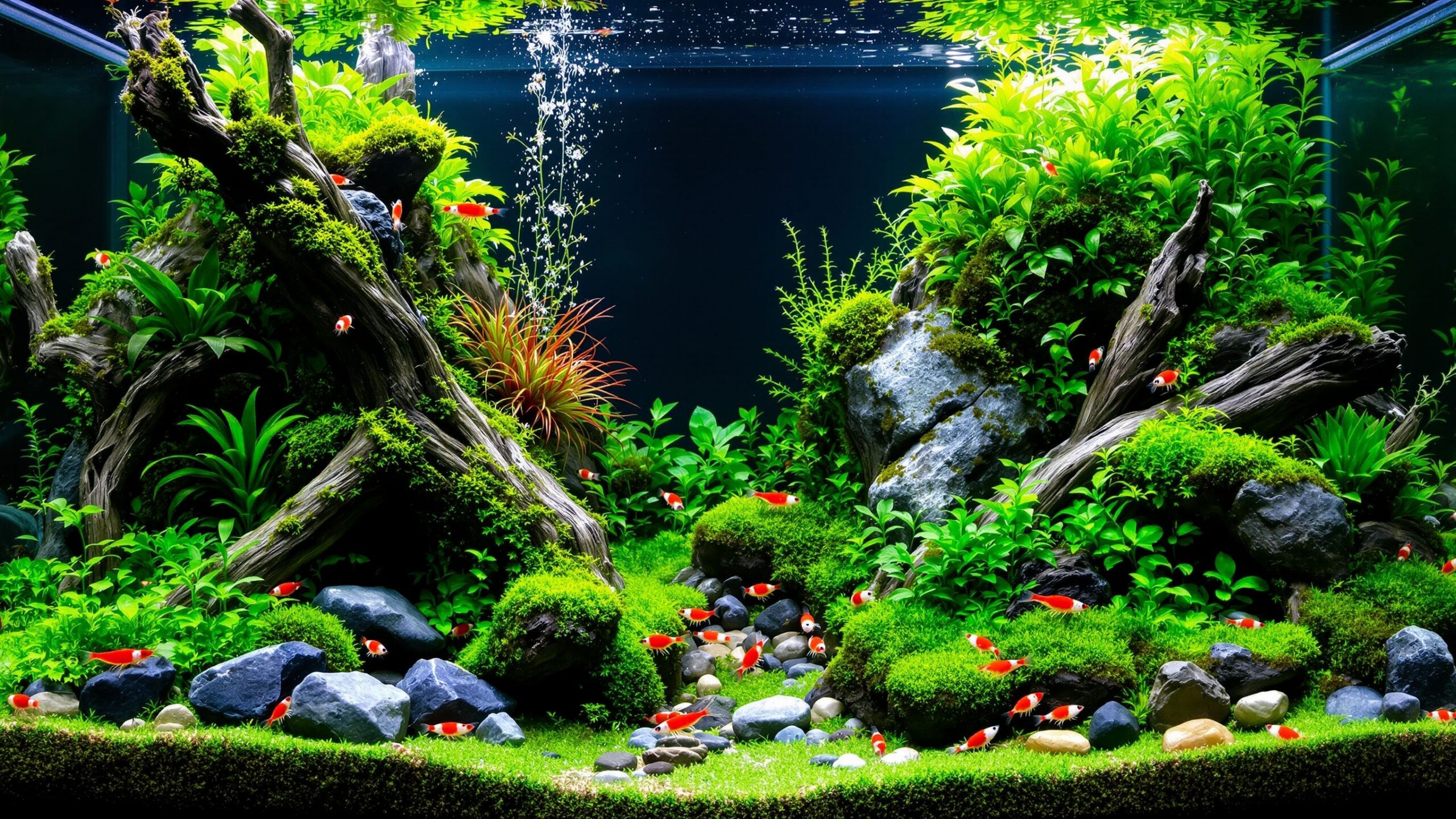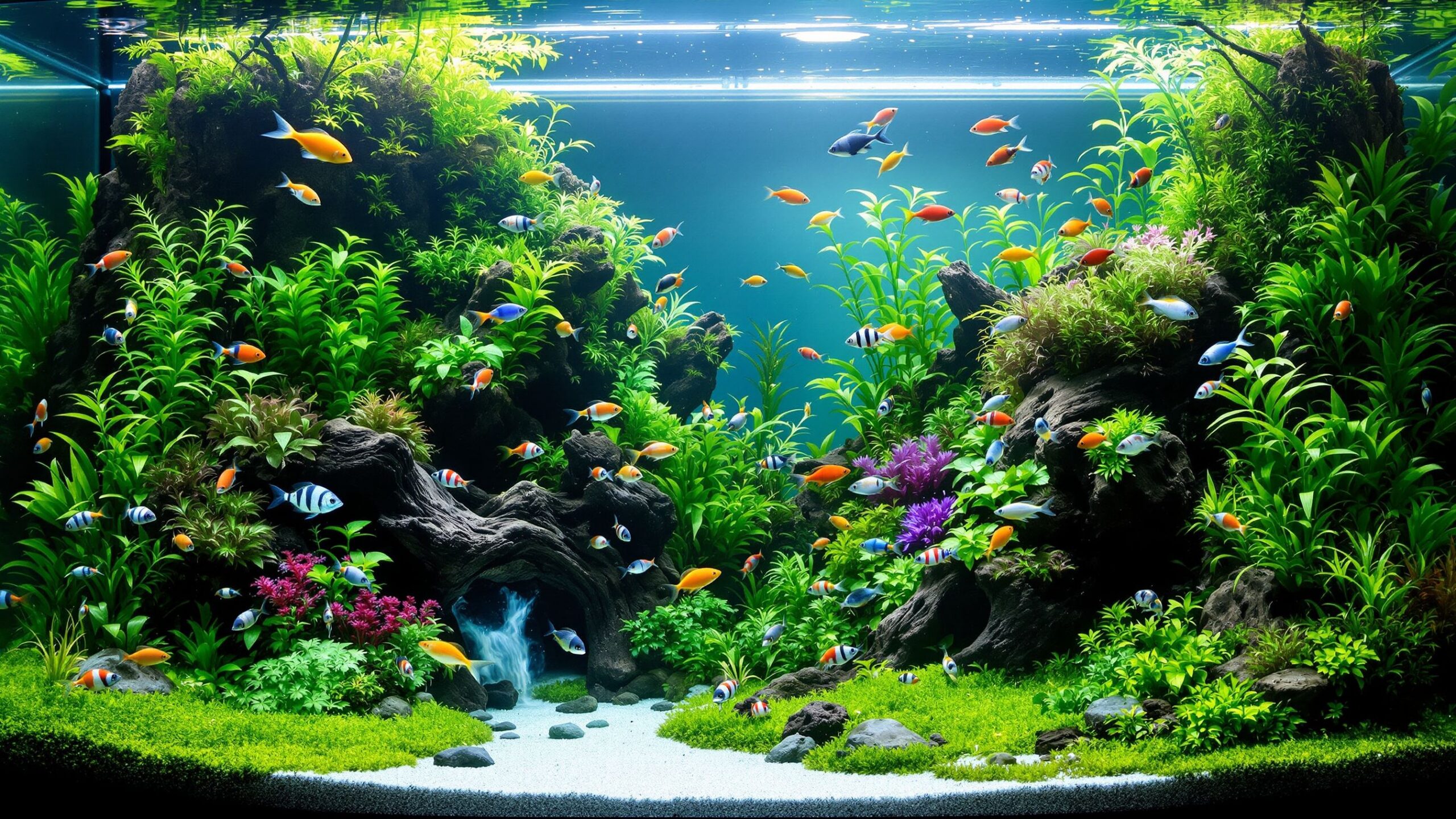
A heavily planted aquarium is one of the closest things to a natural freshwater ecosystem that you can recreate at home. Dense aquatic plants provide oxygen, absorb excess nutrients, stabilize water quality, reduce stress, and offer countless hiding places for fish. While lush vegetation creates a beautiful underwater landscape, it also gives aquarium inhabitants an environment where they can display their most natural behaviors. Not every freshwater fish appreciates living among thick vegetation, however. Some species constantly uproot plants, dig through the substrate, or nibble on delicate leaves, while others absolutely flourish in these environments. Choosing the right fish is one of the most important decisions when designing a planted aquarium because the wrong species can quickly undo months of aquascaping work. Fortunately, many of the hobby’s most colorful, peaceful, and entertaining fish naturally inhabit heavily vegetated rivers, streams, and wetlands. These species not only coexist with aquatic plants but often rely on them for protection, breeding, and feeding. Whether you’re building a compact nano aquarium or an impressive nature-style aquascape, selecting compatible fish creates a healthier ecosystem that requires less maintenance and delivers greater long-term success. This guide explores the best fish for heavily planted tanks, why they thrive in these environments, and how to build a peaceful aquatic community that enhances both your plants and your aquarium’s overall beauty.
A: Tetras, rasboras, danios, corydoras, otocinclus, honey gouramis, and small peaceful livebearers are excellent choices.
A: Some do, but many peaceful community fish leave healthy plants alone.
A: Yes, bettas often enjoy planted tanks, but they may not tolerate every tankmate.
A: Yes, planted tanks are excellent for schooling fish because plants provide safety and visual cover.
A: Avoid large cichlids, goldfish, silver dollars, and heavy diggers unless the setup is designed for them.
A: No, but otocinclus, nerite snails, and shrimp can help when the tank is balanced.
A: It depends on tank size, filtration, plant mass, species size, and maintenance routine.
A: Plants help with water quality, but regular water changes, trimming, and testing are still needed.
A: They may hide at first, but secure fish usually become more confident over time.
A: Harlequin rasboras, ember tetras, and peaceful corydoras are beginner-friendly options.
What Makes a Fish Ideal for a Planted Tank?
Fish that perform well in densely planted aquariums typically share several important characteristics. They are peaceful toward other inhabitants, avoid uprooting plants, produce moderate amounts of waste, and appreciate the cover provided by aquatic vegetation. Many species also contribute to the ecosystem by eating algae, leftover food, or small pests that appear on plant leaves.
Smaller fish are often excellent choices because they place less stress on the biological filtration system while allowing plants to dominate the visual landscape. Their bright colors become even more striking when contrasted against lush green foliage, creating an eye-catching display that resembles tropical streams found in nature.
The best planted tank fish also tolerate the stable water conditions preferred by aquatic plants. Since most planted aquariums maintain temperatures between 72°F and 78°F with slightly acidic to neutral water, many tropical community fish fit perfectly into these parameters.
Neon Tetras: The Classic Planted Tank Favorite
Few fish are as iconic in planted aquariums as the neon tetra. Their electric blue stripe paired with a vibrant red lower body creates an incredible contrast against dense green vegetation. A school of neon tetras weaving through forests of stem plants is one of the most recognizable scenes in freshwater aquascaping.
Neon tetras naturally inhabit slow-moving South American waters filled with submerged roots, leaf litter, and aquatic plants. Replicating these conditions in the aquarium helps them display brighter colors and more confident behavior.
Keeping groups of at least ten individuals encourages natural schooling behavior, creating synchronized swimming patterns that add constant movement throughout the aquarium without disturbing the plants.
Cardinal Tetras Bring Brilliant Color
Cardinal tetras closely resemble neon tetras but feature a more extensive red stripe that stretches the length of their bodies. Their vibrant coloration often appears even more intense in planted aquariums with subdued lighting and dark substrates.
These peaceful fish enjoy heavily planted environments because the vegetation offers shelter from perceived predators while reducing stress. Healthy cardinals often reward aquarists with brilliant coloration that becomes increasingly vivid as they settle into mature planted tanks.
Large schools create an unforgettable visual display as they glide effortlessly through dense plant growth.
Ember Tetras Add Warmth to Green Landscapes
Ember tetras have become increasingly popular in aquascaping thanks to their glowing orange coloration. Although they remain tiny, their vivid bodies create striking visual contrast against rich green aquatic plants.
Dense vegetation encourages these fish to remain visible throughout the day because they feel secure among the leaves and stems. Instead of hiding constantly, they confidently explore open swimming areas before retreating back into plant cover.
Their peaceful temperament also makes them excellent companions for shrimp and other nano fish.
Harlequin Rasboras Offer Graceful Movement
Harlequin rasboras combine beautiful coloration with elegant swimming behavior. Their shimmering copper bodies and distinctive black markings stand out wonderfully in heavily planted aquariums.
Unlike more active schooling fish that constantly dart around the tank, harlequins move with a graceful, almost effortless rhythm that complements the peaceful atmosphere of planted aquascapes.
They are extremely hardy, making them an excellent choice for beginners while remaining popular among experienced aquascapers.
Chili Rasboras for Nano Aquascapes
For smaller planted aquariums, few fish compare to chili rasboras. These tiny fish measure less than an inch in length yet display incredible shades of deep red and orange.
Their miniature size allows aquascapers to maintain intricate layouts featuring carpeting plants, fine mosses, and delicate stem species without overwhelming the visual balance.
Heavily planted nano tanks mimic their natural habitat perfectly, encouraging vibrant coloration and active schooling behavior.
Because of their small size, they should be housed with equally peaceful companions that will not view them as food.
Celestial Pearl Danios Shine Like Living Gems
Celestial pearl danios have become one of the most sought-after planted tank fish due to their remarkable appearance. Their dark blue bodies are covered with tiny pearly spots while bright orange fins provide additional flashes of color.
Dense vegetation encourages natural courtship displays, allowing males to establish small territories among mosses and low-growing plants.
Watching these jewel-like fish navigate intricate aquascapes creates an unforgettable viewing experience.
Corydoras Catfish Keep the Bottom Active
While many planted tank enthusiasts focus on midwater schooling fish, bottom dwellers deserve equal attention. Corydoras catfish spend their days gently searching the substrate for leftover food without uprooting plants.
Their playful personalities and constant activity make them one of the most entertaining fish available for community aquariums.
Species such as bronze corydoras, panda corydoras, sterbai corydoras, and pygmy corydoras all thrive in planted environments.
Pygmy corydoras are particularly well suited for heavily planted aquascapes because of their small size and peaceful behavior.
Otocinclus Catfish: Gentle Algae Specialists
Otocinclus catfish are among the safest algae eaters for planted tanks. Unlike larger algae-eating fish that may damage leaves or outgrow the aquarium, otocinclus remain small while carefully grazing soft algae from plant surfaces.
They are especially useful in mature planted aquariums where natural biofilm has already developed.
Because they are highly social, they should always be kept in groups. Their calm personalities and plant-safe feeding habits make them valuable members of the cleanup crew.
Kuhli Loaches Love Dense Vegetation
Kuhli loaches are fascinating bottom dwellers that resemble tiny eels. Their slender bodies allow them to weave effortlessly through roots, driftwood, and dense plant growth.
Although they spend much of the day hidden, heavily planted aquariums encourage them to become increasingly active as they feel secure within their surroundings.
Fine sand substrates paired with thick vegetation create ideal conditions for these peaceful nocturnal fish.
Sparkling Gouramis for Personality
Sparkling gouramis bring both beauty and character to planted aquariums. Despite their small size, they display fascinating behaviors, including occasional croaking sounds during courtship or territorial displays.
They enjoy slow-moving water filled with floating plants and dense vegetation that mimics their native Southeast Asian habitats.
Because they remain relatively small and peaceful, they fit beautifully into community planted aquariums.
Endler’s Livebearers Add Constant Color
Endler’s livebearers combine vivid coloration with nonstop activity. Males display combinations of neon green, orange, blue, black, and metallic silver that create constant flashes of color among aquatic plants.
Unlike some larger livebearers, Endlers rarely disturb plants and adapt well to planted environments.
Their energetic swimming adds life to every corner of the aquarium.
Amano Shrimp Complement Fish Perfectly
Although not fish, Amano shrimp deserve recognition because they pair exceptionally well with planted tank species. They tirelessly consume algae, leftover food, and decaying organic matter while leaving healthy plants untouched.
Their transparent appearance blends naturally into aquascapes, and they coexist peacefully with most small community fish.
Adding Amano shrimp alongside peaceful fish significantly reduces algae maintenance over time.
Cherry Shrimp Create Living Color Accents
Cherry shrimp offer both practical benefits and incredible visual appeal. Bright red colonies scattered throughout lush green plants create eye-catching focal points that complement schooling fish beautifully.
Dense mosses and carpeting plants provide safe hiding places where shrimp can reproduce and establish thriving colonies.
When paired with gentle nano fish, cherry shrimp often become one of the aquarium’s most fascinating inhabitants.
Fish to Avoid in Heavily Planted Tanks
While many freshwater species thrive among aquatic plants, others can quickly destroy carefully designed aquascapes.
Goldfish are notorious for uprooting plants while constantly digging through the substrate. Their high waste production also increases maintenance demands significantly.
Silver dollars eagerly consume many aquatic plants, often stripping leaves within hours.
Large plecos frequently scrape delicate leaves and eventually outgrow most planted aquariums.
Many large cichlids dig extensive pits, rearrange rocks, and uproot vegetation during breeding or territorial disputes.
Some barbs and aggressive species may also nip soft plant leaves or harass peaceful community fish.
Researching each species before introducing it into a planted tank helps avoid costly mistakes and protects months of aquascaping effort.
Building a Balanced Community
The most successful planted aquariums combine fish that occupy different levels of the water column. Schooling fish provide movement in the middle of the tank, surface dwellers utilize floating plants, while bottom-dwelling species keep the substrate active.
For example, a balanced heavily planted aquarium might include a school of ember tetras, a group of pygmy corydoras, several otocinclus catfish, Amano shrimp, and a few nerite snails. Every species contributes something unique without competing aggressively for space or resources.
This layered approach creates constant activity throughout the aquarium while maintaining harmony among all inhabitants.
Why Plants Improve Fish Health
One of the greatest advantages of heavily planted tanks is the positive effect they have on fish behavior and overall health. Aquatic plants provide natural shelter that reduces stress, especially for shy or schooling species. Fish living among dense vegetation often display brighter coloration, stronger immune systems, and more natural behaviors because they feel secure within their environment.
Plants also improve water quality by absorbing excess nutrients and releasing oxygen during daylight hours. Healthy vegetation helps stabilize water conditions, making sudden fluctuations less likely and creating a more forgiving environment for sensitive species.
Breeding behavior is another benefit. Many fish instinctively choose planted aquariums for spawning because fine-leaved plants and mosses offer excellent protection for eggs and newly hatched fry.
Feeding Fish in a Heavily Planted Aquarium
A balanced diet is essential for maintaining vibrant fish and healthy plants. High-quality flakes or micro pellets should serve as the primary food source for most community fish, supplemented with frozen or live foods such as bloodworms, daphnia, and brine shrimp.
Feeding should remain moderate. Excess food eventually breaks down into nutrients that encourage nuisance algae, which can compete with aquatic plants for light and resources.
Bottom dwellers benefit from sinking wafers, while shrimp and snails appreciate algae wafers and blanched vegetables. Offering a varied diet supports stronger coloration, healthier growth, and increased breeding activity.
Maintaining Long-Term Success
Creating a thriving heavily planted aquarium is less about choosing the most expensive equipment and more about maintaining balance. Stable water parameters, consistent maintenance, healthy plant growth, and carefully selected fish work together to form a self-sustaining ecosystem.
Regular water changes, proper fertilization, moderate stocking levels, and routine trimming allow both plants and fish to flourish. As the aquarium matures, beneficial bacteria become more established, algae problems often decrease, and the entire ecosystem becomes increasingly stable.
Patience is equally important. A newly planted aquarium may take several months to reach its full potential, but once balance is achieved, the result is one of the most beautiful and rewarding displays in the freshwater aquarium hobby.
Final Thoughts
Heavily planted aquariums offer one of the most natural and visually stunning ways to keep freshwater fish. The right species not only preserve your carefully designed aquascape but actively benefit from the shelter, improved water quality, and natural environment that dense vegetation provides. Peaceful schooling fish such as neon tetras, cardinal tetras, ember tetras, and harlequin rasboras bring vibrant movement, while bottom dwellers like corydoras and otocinclus help keep the aquarium clean without disturbing plants. Shrimp and snails further strengthen the ecosystem by controlling algae and recycling waste.
Choosing compatible species is the foundation of long-term success. By selecting fish that appreciate lush aquatic environments and maintaining stable water conditions, you’ll create an aquarium that grows more beautiful with every passing month. A healthy planted tank is more than just an attractive display—it becomes a living ecosystem where plants and fish work together in perfect harmony, rewarding you with years of color, activity, and natural beauty.