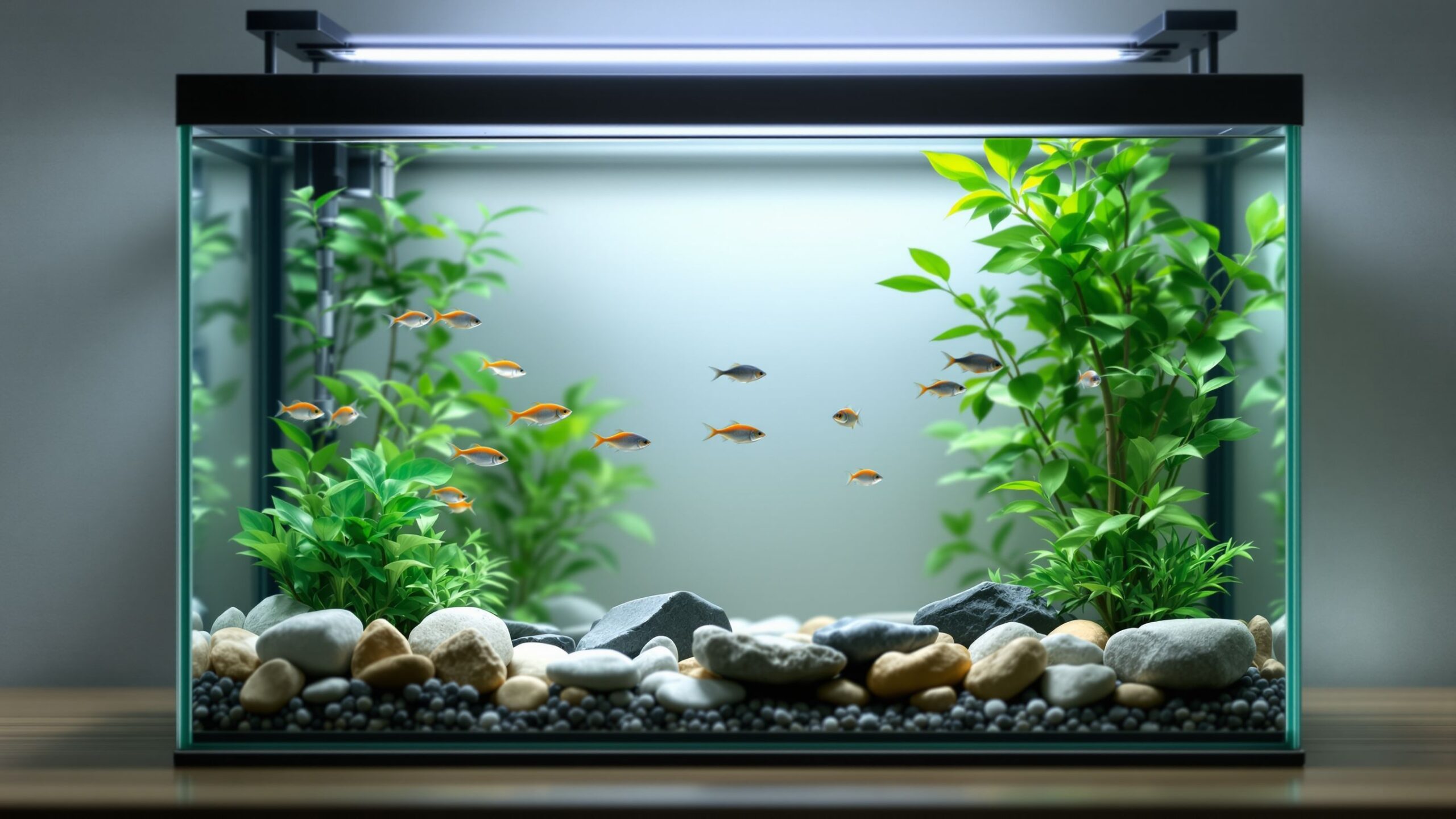
Coldwater aquariums are one of the easiest and most rewarding ways to enter the world of fishkeeping. For beginners, they offer a perfect balance between beauty and simplicity, allowing you to enjoy vibrant aquatic life without the complexity of heaters or tightly controlled environments. Unlike tropical tanks, coldwater setups typically operate at room temperature, making them more forgiving and easier to maintain. This accessibility makes them especially appealing for first-time fish owners who want a stunning aquarium without the steep learning curve.
Coldwater fish are also known for their resilience, which means they can tolerate minor fluctuations in water conditions better than many tropical species. This doesn’t mean they don’t require care, but it does give beginners a valuable margin for error while learning the fundamentals. From colorful swimmers to energetic schooling fish, coldwater aquariums can be just as visually captivating as any tropical setup when done correctly.
A: White cloud mountain minnows are one of the best choices because they are hardy, peaceful, and manageable.
A: Usually no, but they do need stable room temperatures and protection from sudden temperature swings.
A: They can be, but only with a large enough tank, strong filtration, and regular maintenance.
A: No. Bowls are usually too small, unstable, and difficult to filter properly.
A: Most beginner tanks do well with weekly partial water changes, adjusted based on test results.
A: Usually not ideal because their temperature needs and activity levels may differ.
A: Start with a small group after the tank is cycled, then add fish slowly over time.
A: Use a quality staple food and add variety with safe frozen, gel, or vegetable-based foods when appropriate.
A: Cloudiness often comes from new-tank bacteria blooms, overfeeding, poor filtration, or disturbed substrate.
A: Adding too many fish too soon before the aquarium is fully cycled and stable.
What Are Coldwater Fish and Why Choose Them?
Coldwater fish are species that thrive in cooler temperatures, typically between 50°F and 75°F. Because they don’t require heated tanks, they are often more affordable to set up and maintain. For beginners, this translates into fewer components to manage and less risk of equipment failure affecting your fish. The simplicity of a coldwater system allows you to focus on learning essential skills like feeding, water changes, and observing fish behavior.
Another major benefit is their adaptability. Many coldwater fish are hardy and capable of handling a wider range of water conditions, making them ideal for those still learning about pH levels, filtration, and tank cycling. They are also available in a wide range of sizes, colors, and personalities, giving you plenty of flexibility when designing your aquarium. Whether you want a calm, elegant tank or a lively, fast-moving display, coldwater fish offer something for every preference.
Setting Up a Coldwater Aquarium for Beginners
A successful coldwater aquarium starts with proper setup. While it might be tempting to begin with a small tank, larger aquariums are actually easier to maintain because they provide more stable water conditions. A tank between 10 and 20 gallons is a great starting point for beginners, offering enough space for fish to thrive while remaining manageable.
Filtration is one of the most important components of your setup. Even though coldwater fish are hardy, they still produce waste that can quickly accumulate and harm water quality. A reliable filter helps remove debris and maintain a healthy balance of beneficial bacteria. Lighting is optional but enhances the visual appeal of your tank and supports live plants if you choose to include them.
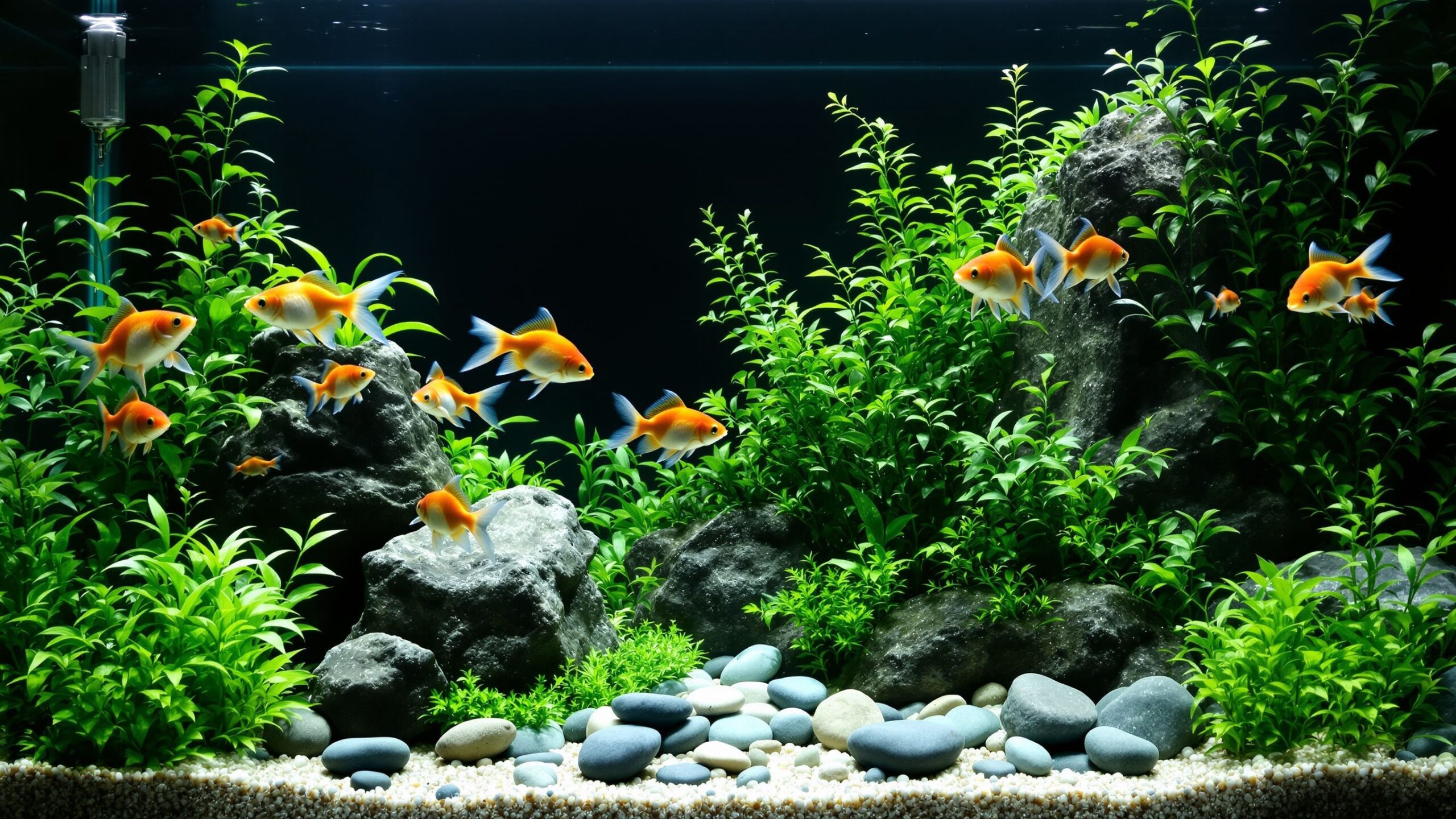
Decorations and substrate should be chosen with both aesthetics and functionality in mind. Smooth gravel, natural rocks, and aquatic plants create hiding spaces that reduce stress for your fish. Live plants also help improve water quality by absorbing excess nutrients. Before adding fish, always treat tap water with a conditioner to remove harmful chemicals and allow your tank to cycle properly. This process builds beneficial bacteria that keep the ecosystem stable.
Goldfish: The Timeless Beginner Fish
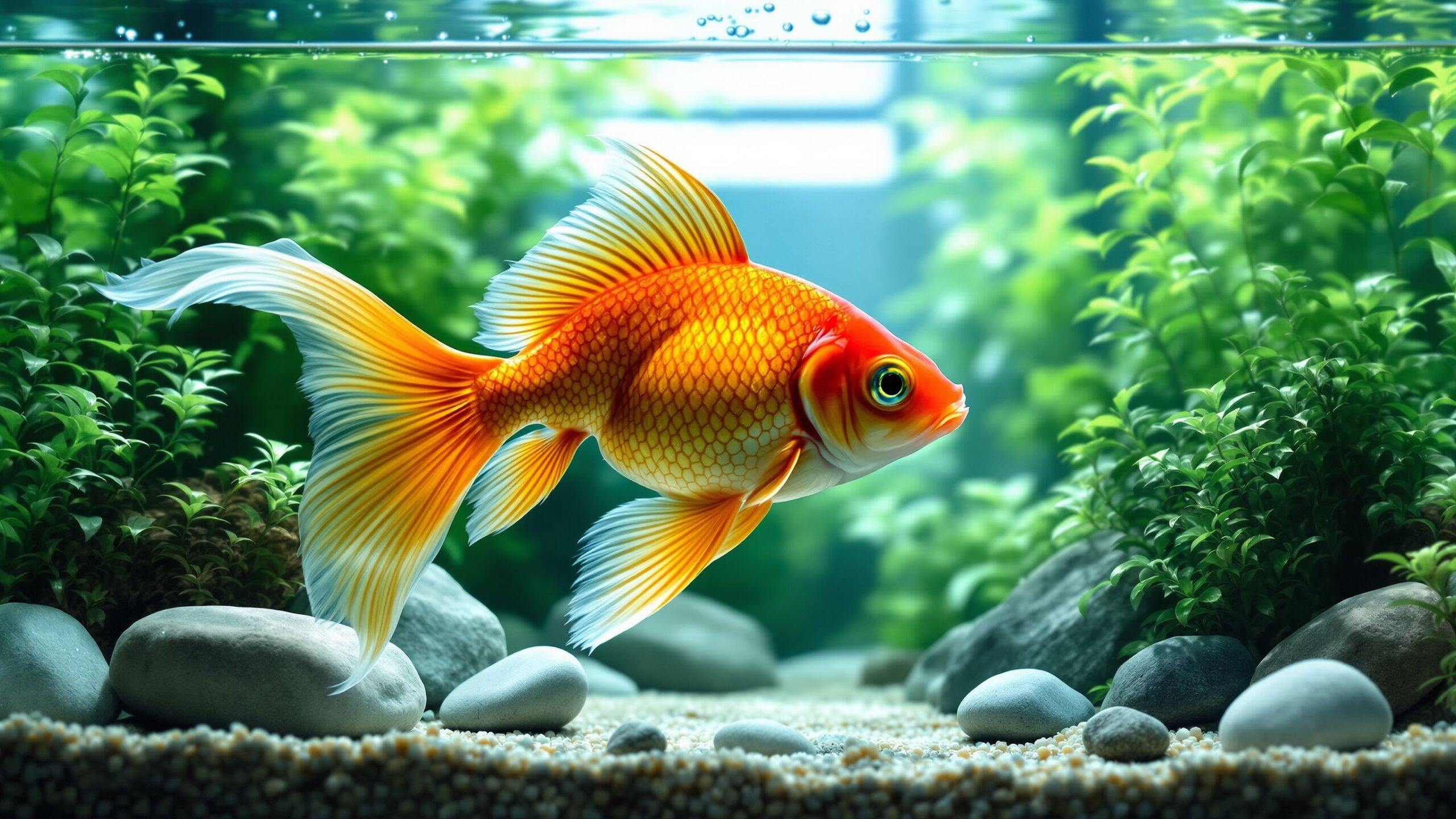
The Carassius auratus is one of the most recognizable and widely kept coldwater fish in the world. Goldfish are popular for their bright colors, flowing fins, and engaging personalities. They come in many varieties, from simple streamlined types to more elaborate forms with unique shapes and patterns.
Despite their reputation as beginner fish, goldfish require more space than many people expect. They can grow quite large and produce a significant amount of waste, which means a properly sized tank and strong filtration system are essential. When given enough room and clean water, goldfish become active, curious, and even interactive with their owners.
Their diet is simple, consisting of high-quality pellets or flakes supplemented with vegetables. They are long-lived fish that can thrive for years when cared for properly, making them a meaningful and rewarding addition to any aquarium.
White Cloud Mountain Minnows: Small and Hardy
The White Cloud Mountain Minnow is an excellent choice for beginners looking for a low-maintenance and visually appealing fish. These small fish are known for their shimmering bodies and subtle flashes of color that stand out beautifully in a well-lit tank.
White Cloud Mountain Minnows are schooling fish, meaning they should be kept in groups to feel secure and display their natural behavior. Watching them swim together creates a lively and dynamic environment that brings energy to the aquarium. They are extremely hardy and can tolerate a wide range of temperatures, making them ideal for unheated setups.
Their small size also means they don’t require a large tank, making them perfect for beginners with limited space. They are easy to feed and accept most standard fish foods, making their care routine simple and manageable.
Zebra Danios: Energetic and Fun to Watch
Zebra Danio are known for their constant movement and playful energy. Their striped patterns make them instantly recognizable, and their active swimming style adds life and motion to any aquarium.
These fish are incredibly adaptable and can thrive in a variety of conditions, making them a reliable choice for beginners. Like many coldwater species, they prefer to be kept in groups, which helps reduce stress and encourages natural schooling behavior.
Zebra Danios are also peaceful and get along well with other non-aggressive fish, making them a great addition to community tanks. Their feeding habits are straightforward, and they readily accept flakes, pellets, and occasional treats. Their lively nature makes them one of the most entertaining fish to keep.
Rosy Barbs: Bright and Resilient
Rosy Barb bring a burst of color to coldwater aquariums with their vibrant reddish hues. They are slightly larger than some beginner fish but are still easy to care for and adaptable to cooler temperatures.
Rosy Barbs are social fish that thrive in groups, where they display playful and interactive behavior. Their active nature makes them a great choice for tanks with plenty of swimming space. While generally peaceful, they can occasionally nip at fins, so it’s important to pair them with compatible tank mates.
Their hardiness and striking appearance make them a favorite among beginners who want a more colorful and dynamic aquarium without increasing the level of care required.
Weather Loaches: Unique and Interactive
The Weather Loach offers something completely different for beginners looking for a unique aquarium experience. With their long, eel-like bodies and curious personalities, these fish are highly engaging and interactive.
Weather Loaches are known for their sensitivity to changes in atmospheric pressure, often becoming more active before storms. They spend much of their time exploring the bottom of the tank, burrowing into substrate, and interacting with their environment.
While they are beginner-friendly, they do require a larger tank due to their size and activity level. Providing soft substrate and hiding spots helps them feel secure and encourages natural behavior. Their playful nature makes them a standout addition to any coldwater aquarium.
Choosing the Right Tank Mates
Creating a harmonious aquarium involves selecting fish that are compatible in both temperament and size. Many coldwater fish are social and thrive in groups, but mixing species requires careful planning. Peaceful fish tend to coexist well, while aggressive or territorial species can cause stress and conflict.
Goldfish are often best kept with other goldfish due to their size and feeding habits. Smaller species like minnows and danios can be combined in community tanks, provided there is enough space for everyone. Observing your fish and understanding their behavior is key to maintaining a balanced environment.
Feeding and Nutrition Essentials
Feeding your fish properly is one of the most important aspects of their care. Most coldwater fish are omnivores, meaning they benefit from a varied diet that includes both plant and protein sources. High-quality flakes or pellets should form the foundation of their diet, with occasional treats to provide variety.
Overfeeding is a common mistake that can lead to poor water quality and health problems. Feeding small portions once or twice a day is usually sufficient, and any uneaten food should be removed to keep the tank clean. Paying attention to how your fish eat can help you adjust portions and ensure they remain healthy.
Common Beginner Mistakes to Avoid
Starting an aquarium can be exciting, but it’s important to avoid common pitfalls. Overstocking the tank is one of the most frequent mistakes, as too many fish can quickly overwhelm the system and lead to poor water conditions.
Skipping the cycling process is another major issue. A new tank needs time to develop beneficial bacteria that break down waste, and adding fish too soon can result in harmful ammonia levels. Patience during this stage is essential for long-term success.
Neglecting regular maintenance can also cause problems. Even hardy coldwater fish need consistent care, including water changes, filter cleaning, and monitoring of water parameters. Staying consistent with these tasks ensures a healthy and stable environment.
Building a Beautiful and Sustainable Aquarium
A well-designed coldwater aquarium is both visually stunning and biologically balanced. Incorporating live plants, natural decor, and thoughtful layout enhances the overall experience while supporting the health of your fish. Plants help maintain water quality, while rocks and driftwood create natural hiding spots.
Lighting can be used to highlight the colors and movement of your fish, creating a calming and immersive display. With careful planning and attention to detail, even a beginner can create an aquarium that feels like a living piece of art.
Final Thoughts on Coldwater Fish for Beginners
Coldwater fish provide an accessible and rewarding introduction to fishkeeping. Their resilience, beauty, and relatively simple care requirements make them an excellent choice for beginners. From the classic charm of goldfish to the lively energy of minnows and danios, there is a wide variety of species to explore.
Success comes from preparation, patience, and consistency. By choosing the right fish, setting up your tank properly, and maintaining a regular care routine, you can create a thriving aquatic environment that brings both relaxation and joy.