Nano aquariums are proof that incredible aquatic worlds can exist in small spaces. These compact tanks, typically ranging from 5 to 20 gallons, are designed around carefully selected residents that thrive in limited environments. While they may be smaller than traditional aquariums, nano tanks require thoughtful planning, precise balance, and intentional stocking to succeed. When done correctly, they become stunning, low-maintenance ecosystems filled with movement, color, and life. This guide walks you through everything you need to know about nano tank residents and how to build a beginner-friendly setup that truly thrives.
A: It is a small aquarium designed for compact species and limited stocking.
A: Chili rasboras, ember tetras, Endler’s, and pygmy Corydoras are popular choices.
A: Yes, especially hardy species like cherry shrimp with stable water conditions.
A: Yes, they assist with algae and waste but do not replace maintenance.
A: Regular small water changes help maintain stability.
A: Yes, if all species are peaceful and compatible.
A: Overstocking and overfeeding are the most common issues.
A: Yes, gentle filtration is essential for water quality.
A: Not required, but they greatly improve stability and aesthetics.
A: Yes, with patience, careful planning, and consistent care.
What Makes a Nano Tank Different?
Nano tanks operate on a smaller scale, which means everything happens faster. Water parameters can shift more quickly, waste can build up sooner, and even small mistakes can have a larger impact. Because of this, stability is the most important factor in a nano aquarium. Choosing the right residents is essential, as not all fish or invertebrates can comfortably live in smaller spaces. Nano-friendly species are typically small, peaceful, and produce minimal waste. They also adapt well to confined environments and often thrive in planted tanks that provide natural filtration and hiding spaces. Understanding these differences helps you approach nano fishkeeping with the right mindset from the start.
Choosing the Right Nano Fish
Nano fish are the centerpiece of many small aquariums, but selecting the right species is critical. The best choices are fish that remain under two inches, prefer calm environments, and do well in groups or pairs. Ember tetras are a favorite because of their tiny size and glowing orange color, which stands out beautifully against green plants. Chili rasboras are even smaller and bring a vivid red hue that creates a striking visual effect in dense aquascapes. Celestial pearl danios add pattern and personality with their spotted bodies and peaceful behavior. Pygmy corydoras are excellent bottom dwellers, adding activity without overwhelming the tank. Endler’s livebearers are another great option, offering bright colors and adaptability while remaining small enough for nano setups. The goal is to choose species that complement each other without overcrowding the tank or creating stress.
Adding Shrimp for Balance and Beauty
Shrimp are one of the best additions to a nano tank because they combine beauty with function. Red cherry shrimp are the most popular choice, known for their vibrant color, ease of care, and ability to reproduce in stable conditions. Amano shrimp are slightly larger and are excellent algae eaters, making them a practical addition to maintain cleanliness. Blue dream shrimp and other color variations provide visual diversity while maintaining similar care requirements. Shrimp thrive in planted tanks with plenty of hiding spaces, such as moss and driftwood, where they can graze and feel secure. Their constant movement and cleaning behavior add life to the aquarium while contributing to its overall health.
Snails: The Unsung Heroes of Nano Tanks
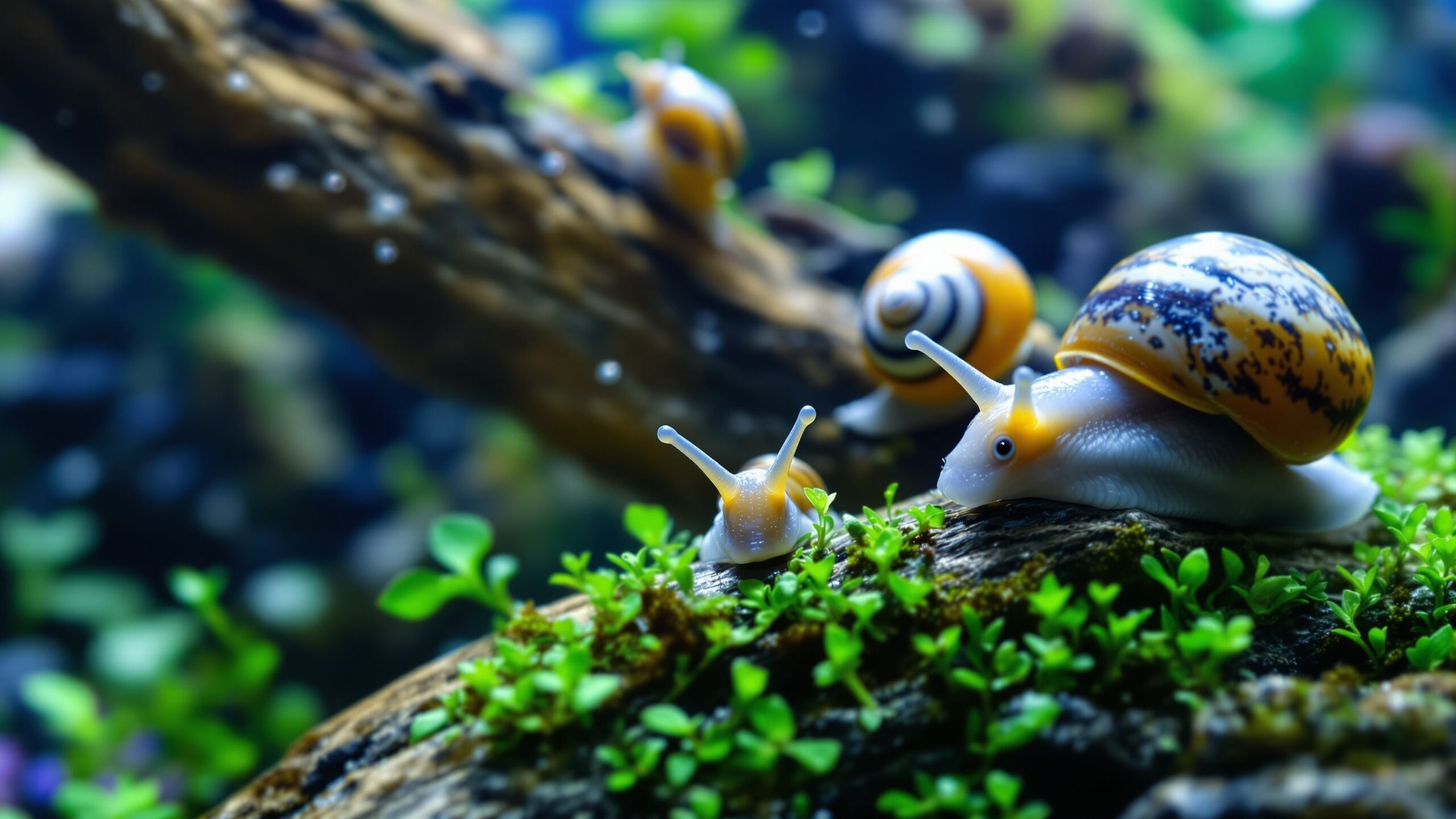
Snails play a vital role in maintaining a clean and balanced nano aquarium. Nerite snails are among the best choices because they are efficient algae eaters and do not reproduce in freshwater, preventing overpopulation. Mystery snails offer more personality and movement, often becoming a focal point in the tank due to their size and behavior. Ramshorn snails and Malaysian trumpet snails are effective cleaners but require population control, as they can reproduce quickly if excess food is available. Snails complement both fish and shrimp by cleaning surfaces and consuming leftover debris, helping maintain a stable environment.
Building a Balanced Nano Community
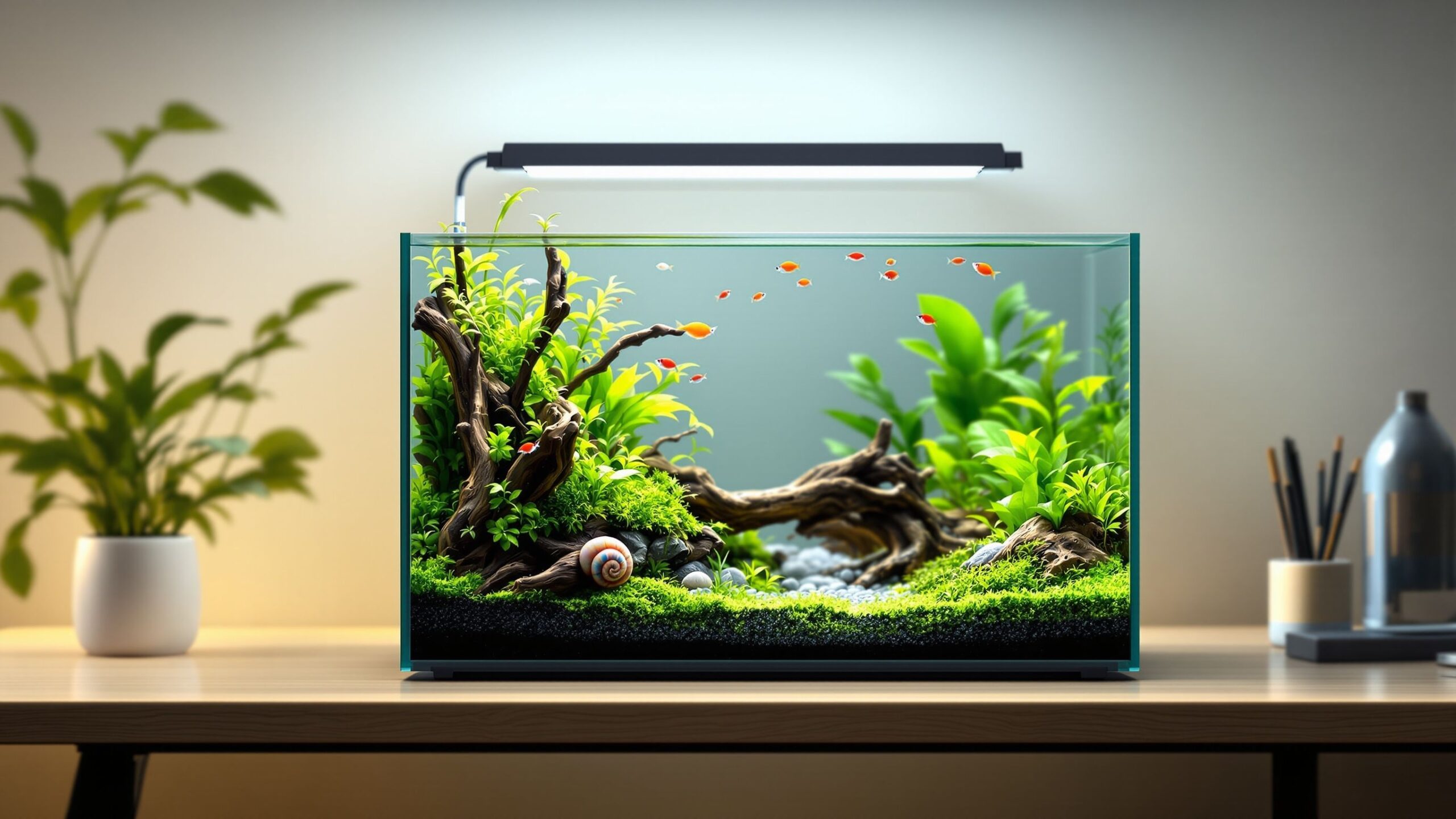
A successful nano tank is built on balance rather than quantity. Instead of filling the tank with many fish, it’s better to focus on a small number of carefully chosen species that work well together. A typical setup might include a small school of nano fish, a group of shrimp, and one or two snails. Each group plays a role in the ecosystem, creating a dynamic but stable environment. Plants are especially important in nano tanks, as they help absorb waste, provide oxygen, and create natural hiding spaces. A well-planted tank not only looks beautiful but also supports the health of its residents.
Tank Setup Essentials for Beginners
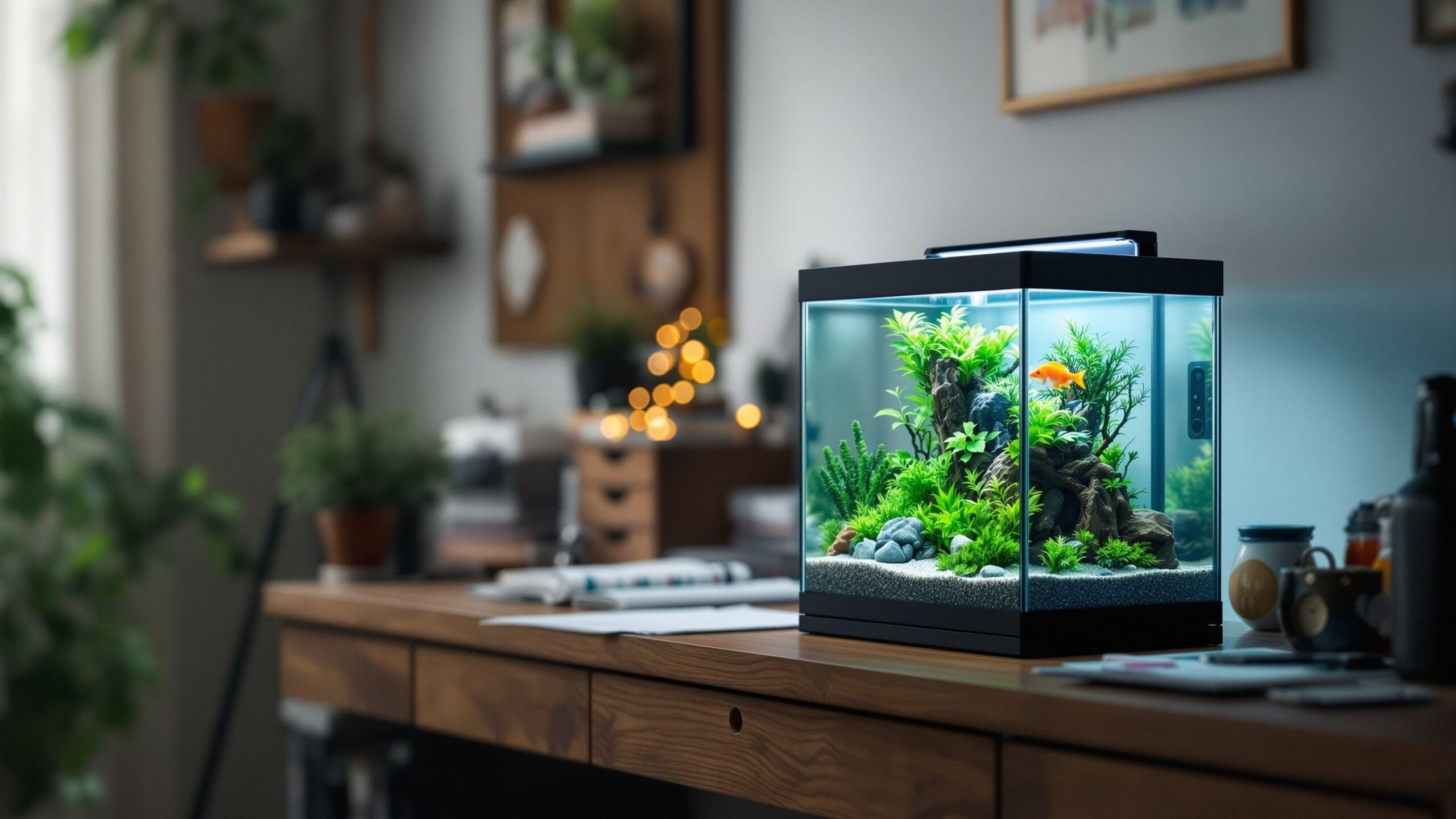
Setting up a nano tank requires attention to detail. A reliable filter is essential to maintain water quality, even in smaller tanks. A heater may be necessary for tropical species, ensuring a stable temperature. Lighting should support plant growth without encouraging excessive algae. Substrate choice depends on your setup, with fine gravel or specialized plant substrates being common options. Decorations such as driftwood and rocks add structure and provide hiding spots. Every element should be chosen with both aesthetics and functionality in mind, creating an environment that supports life while looking visually appealing.
Feeding and Care Basics
Feeding in a nano tank must be carefully controlled. Because the water volume is small, overfeeding can quickly lead to poor water quality. Providing small, measured amounts of food ensures that fish and invertebrates receive proper nutrition without creating excess waste. A varied diet that includes flakes, pellets, and occasional frozen foods supports overall health. Observing feeding behavior helps you gauge the condition of your tank and its inhabitants. Regular maintenance, including small weekly water changes, keeps the environment stable and healthy.
Common Mistakes to Avoid
Nano tanks may look simple, but they require precision. Overcrowding is one of the most common mistakes, as too many inhabitants can quickly destabilize the tank. Skipping regular maintenance or overfeeding can lead to rapid declines in water quality. Choosing incompatible species can also create stress and conflict. Another common issue is rushing the setup process without allowing the tank to properly cycle. Taking a patient and thoughtful approach helps prevent these problems and sets the stage for long-term success.
Why Nano Tanks Are So Rewarding
Nano aquariums offer a unique experience that combines creativity, observation, and care. Their small size makes them accessible, while their complexity keeps them engaging. Watching shrimp graze, fish school, and snails glide across surfaces creates a peaceful and captivating environment. The attention to detail required in nano tanks often leads to a deeper appreciation for the balance of aquatic life. For many aquarists, nano tanks become a creative outlet as well as a relaxing hobby.
Small Scale, Big Success
Building a successful nano aquarium is about making smart, intentional choices. By selecting the right residents, maintaining stable conditions, and focusing on balance, you can create a thriving ecosystem in a compact space. Nano tanks may be small, but they offer endless possibilities for creativity and enjoyment. With patience and care, your nano aquarium can become a beautiful, living display that brings both tranquility and fascination into your everyday life.