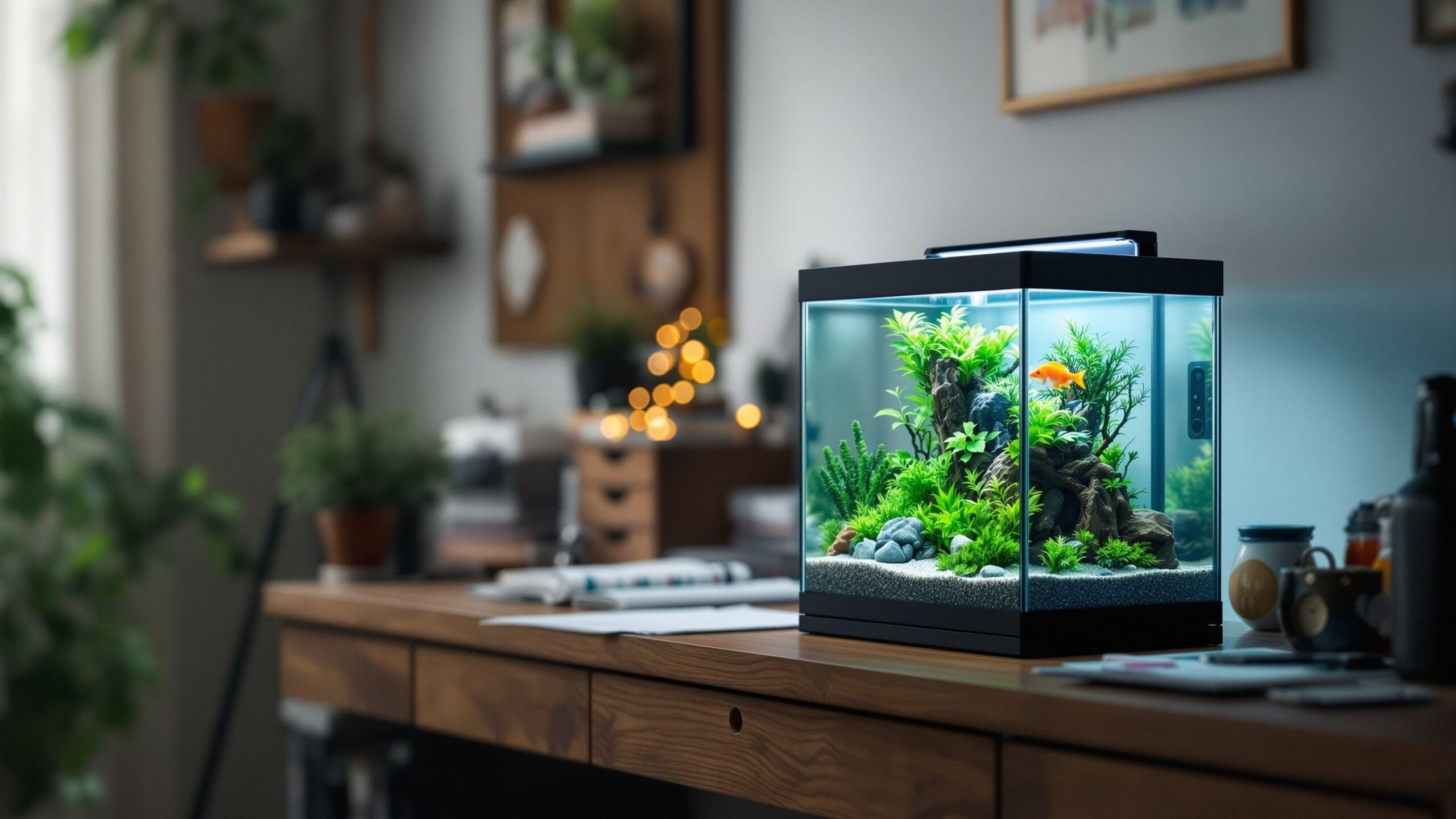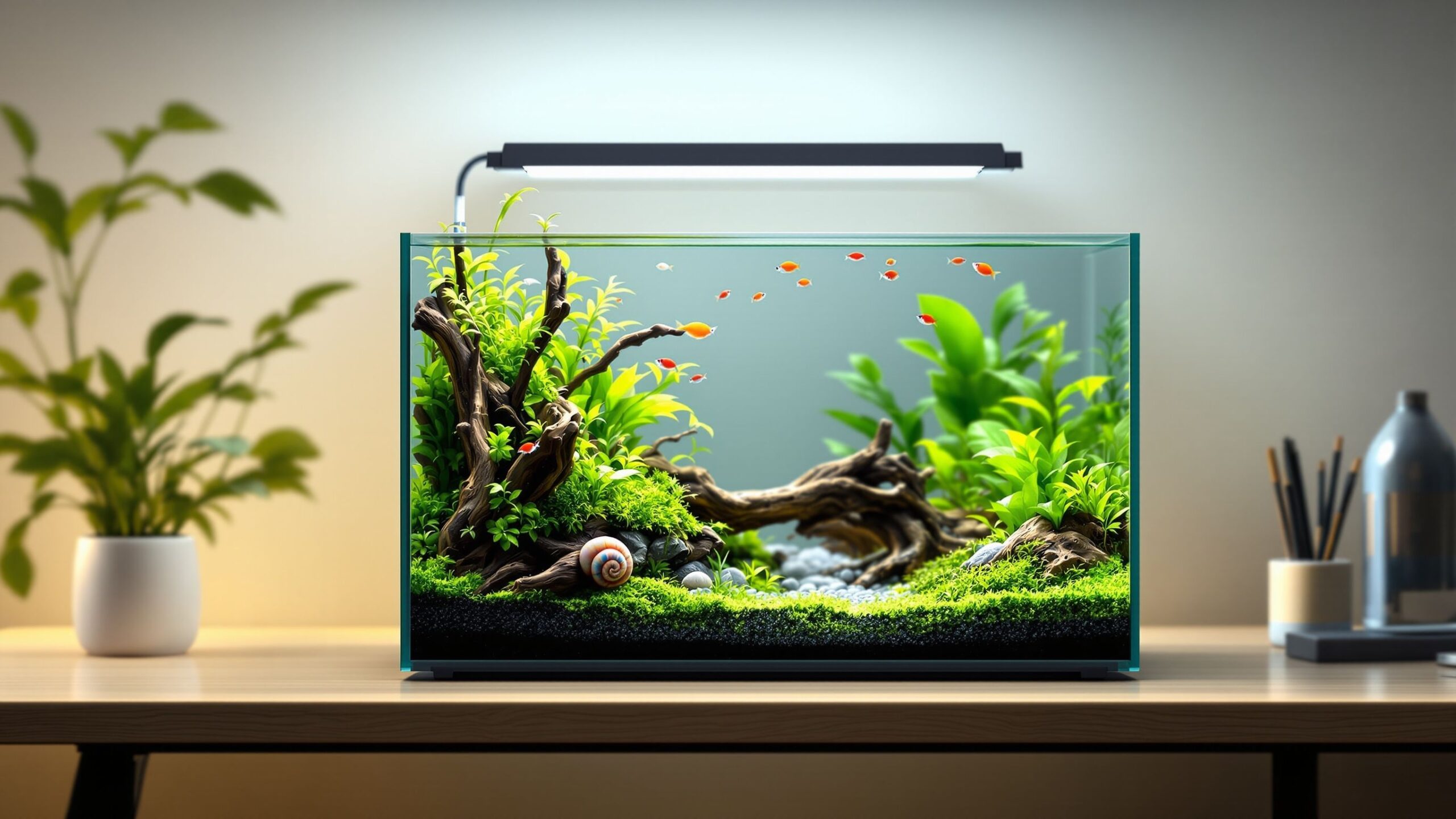
Nano aquariums prove that you don’t need a large tank to create something beautiful, balanced, and full of life. These compact setups—typically ranging from 5 to 20 gallons—focus on small species that thrive in limited space while still delivering color, movement, and personality. The key to success is choosing the right combination of nano fish, shrimp, and snails that coexist peacefully and contribute to a stable ecosystem. When done correctly, a nano tank becomes a miniature underwater world that feels just as dynamic as a full-sized aquarium.
A: Typically small tanks designed for compact species and limited space.
A: Ember tetras, chili rasboras, Endler’s livebearers, and pygmy Corydoras are popular choices.
A: Some species like cherry shrimp are beginner-friendly, but they require stable conditions.
A: Some species can if overfed, while others like nerite snails do not reproduce easily.
A: Yes, if species are peaceful and compatible.
A: Regular small water changes help maintain stability.
A: Overstocking and overfeeding are the most common problems.
A: Yes, gentle filtration helps maintain water quality.
A: Not required, but highly beneficial for stability and fish comfort.
A: Yes, with careful planning, patience, and consistent care.
What Is a Nano Aquarium?
A nano aquarium is designed around small-scale aquatic life. Instead of housing large or highly active fish, these tanks focus on species that stay small and adapt well to confined environments. Nano fish are typically under two inches in size and are chosen for their peaceful temperament and minimal space requirements. Because water volume is limited, stability is more sensitive than in larger tanks. This means careful stocking, consistent maintenance, and thoughtful species selection are essential. The reward is a visually stunning, low-space aquarium that can fit almost anywhere while still offering a rich and engaging experience.
Best Nano Fish for Small Tanks
Choosing the right fish is the foundation of a successful nano aquarium. The best nano fish are peaceful, small, and comfortable in groups or confined spaces. Ember tetras are a top choice, growing to under an inch and offering a warm orange glow that looks incredible in planted tanks. Chili rasboras are another standout, known for their tiny size and vivid red coloration, making them perfect for densely planted aquariums. Celestial pearl danios, sometimes called galaxy rasboras, bring a unique spotted pattern and calm behavior that works well in community setups. Pygmy corydoras are excellent bottom dwellers, adding activity without disturbing other fish, while otocinclus catfish are peaceful algae eaters that are often considered among the safest companions for shrimp. Other great nano fish include Endler’s livebearers, sparkling gouramis, and small rasbora species, all of which provide movement and color without overwhelming the tank. The goal is to choose species that complement each other in size and temperament while occupying different levels of the tank.
Best Shrimp for Nano Aquariums
Shrimp are one of the best additions to a nano tank, not only for their unique appearance but also for their role in maintaining cleanliness. Red cherry shrimp are among the most popular choices, known for their bright color, ease of care, and ability to thrive in a variety of conditions. Amano shrimp are slightly larger and are famous for their algae-eating abilities, making them a functional and beneficial addition to the tank. They are hardy and peaceful, though they do not breed easily in freshwater environments. Blue dream shrimp and other Neocaridina varieties offer a wide range of colors while maintaining the same beginner-friendly care requirements. Ghost shrimp are another option, valued for their resilience and adaptability, especially for those new to shrimp keeping. Shrimp thrive in stable environments with plenty of plants and hiding spaces. Mosses, driftwood, and fine-leaf plants create safe zones where they can graze and reproduce.
Best Snails for Small Tanks
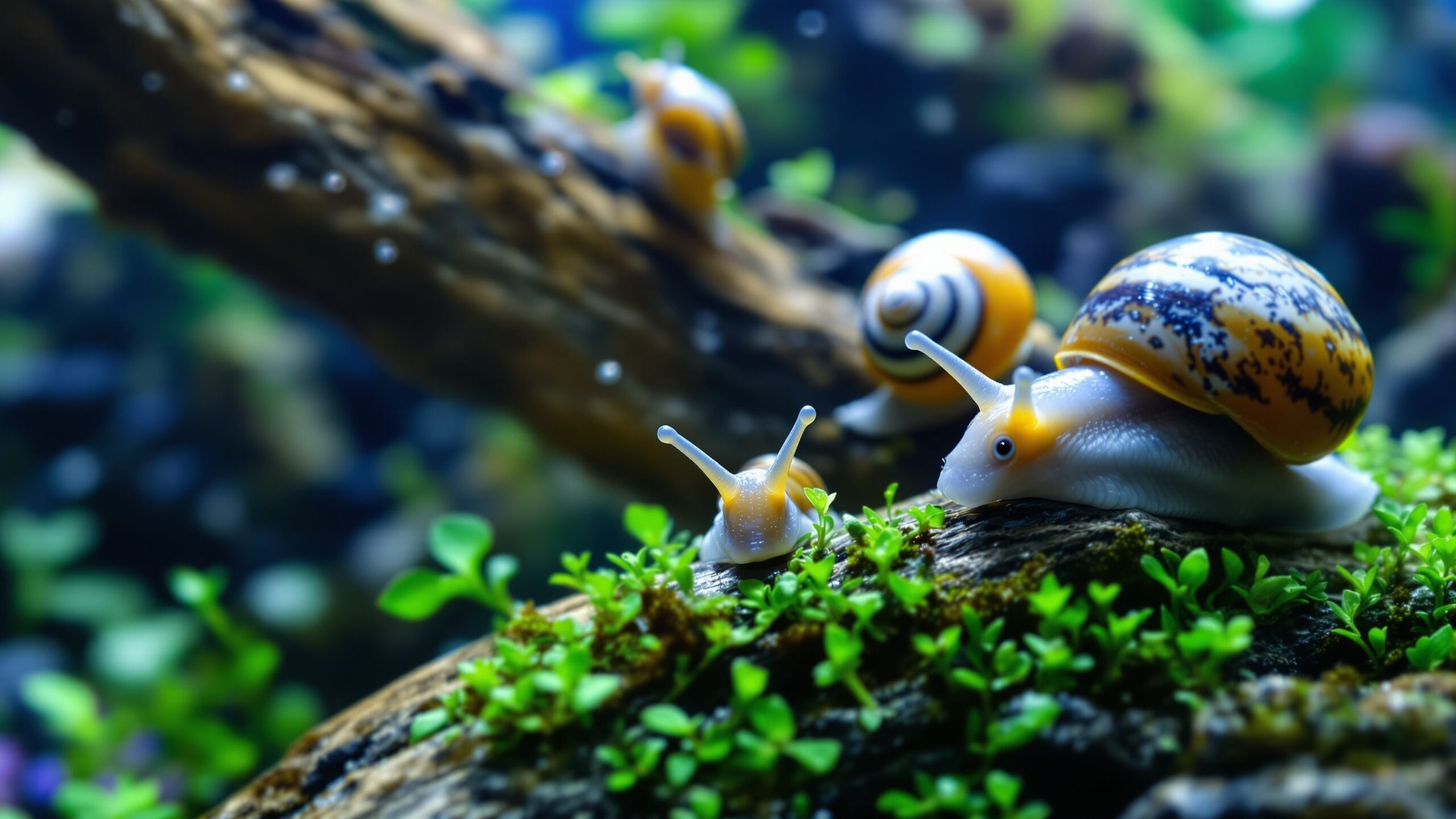
Snails are often underestimated, but they play a crucial role in maintaining a healthy nano aquarium. They help control algae, consume leftover food, and contribute to the overall balance of the tank. Nerite snails are one of the best choices because they are efficient algae eaters and do not reproduce uncontrollably in freshwater. Mystery snails are larger and more interactive, often becoming a focal point due to their movement and curiosity. They are easy to care for and come in a variety of colors. Ramshorn snails are excellent cleaners but can reproduce quickly, so their population should be monitored. They feed on algae and leftover debris, helping keep the tank tidy. Other great options include rabbit snails and horned nerite snails, which add visual interest while remaining peaceful and beneficial.
Building the Perfect Nano Community
The beauty of a nano aquarium comes from balance. A successful setup often includes a small school of nano fish, a colony of shrimp, and one or two snails working as part of the clean-up crew. Each group plays a role in maintaining the ecosystem. Fish provide movement and color, shrimp handle fine debris and algae, and snails clean surfaces and leftover food. It’s important to avoid overcrowding, as small tanks can become unstable quickly. Choosing species that stay small and have low bioloads helps maintain water quality. Plants are especially valuable in nano tanks, as they absorb waste, provide oxygen, and create hiding spaces that reduce stress.
Compatibility Tips for Nano Tanks
Not all small species are automatically compatible. Even peaceful fish may eat baby shrimp if given the opportunity, so providing dense plant cover helps protect shrimp populations. Selecting fish with small mouths and calm temperaments increases the chances of success. Species like ember tetras, rasboras, and otocinclus are commonly chosen because they are unlikely to harm adult shrimp. Avoid aggressive or overly active fish, as they can stress other inhabitants and disrupt the balance of the tank. Careful planning ensures that every species contributes to harmony rather than conflict.
Maintenance and Stability in Small Tanks
Nano aquariums require consistency more than anything else. Because the water volume is limited, changes in temperature, pH, or waste levels can happen quickly. Regular water changes, proper filtration, and careful feeding routines are essential. Overfeeding is one of the most common issues in small tanks. Excess food breaks down and affects water quality, which can harm sensitive species like shrimp. Feeding small amounts and observing your tank daily helps prevent problems before they start. A stable nano tank is one where everything works together—plants, fish, shrimp, and snails all contributing to a balanced environment.
Why Nano Aquariums Are So Popular
Nano aquariums have grown in popularity because they offer a complete aquarium experience in a compact space. They are perfect for desks, apartments, or anyone looking to enjoy fishkeeping without committing to a large tank. Despite their size, they can be incredibly detailed and visually stunning. The combination of tiny fish, active shrimp, and helpful snails creates a lively and engaging display. Watching shrimp graze, fish school, and snails glide across surfaces brings a sense of calm and fascination that larger tanks also provide—just on a smaller scale.
Final Thoughts: Small Tank, Big Impact
The best nano aquarium setups are built with intention. By choosing the right fish, shrimp, and snails, you create a miniature ecosystem that is both beautiful and functional. Every species plays a role, and every detail contributes to the overall balance. Starting small doesn’t mean limiting your experience. In many ways, nano aquariums require more thought and care, which makes them even more rewarding. With the right approach, your small tank can become a thriving underwater world filled with life, color, and personality.