Freshwater aquarium snails are often overlooked, but they are some of the most useful and fascinating additions you can make to a tank. Far from being just “cleaners,” snails contribute to the ecosystem by consuming algae, breaking down leftover food, and helping maintain balance. When chosen correctly, they can coexist peacefully with fish, shrimp, and plants while adding subtle movement and personality to your aquarium. This guide explores the best freshwater snails and explains how to choose species that are compatible with your setup.
A: Nerite snails are widely considered the best for algae without overpopulation.
A: Some species do, while others like nerites require special conditions.
A: Most are, but some fish may nip or eat them.
A: Yes, especially if algae and natural food sources are limited.
A: No, they help but do not replace regular maintenance.
A: Poor water quality, lack of calcium, or toxins like copper are common causes.
A: Yes, clean and stable water is important for their health.
A: Yes, if they are compatible and tank conditions are suitable.
A: Nerite and mystery snails are among the easiest to care for.
A: Overfeeding and ignoring population control.
Why Add Snails to Your Aquarium?
Snails play an important role in maintaining a healthy aquarium. They feed on algae that grows on glass, decorations, and plants, helping keep your tank visually clean. They also consume uneaten food and organic debris, reducing waste buildup and supporting water quality. Unlike fish, snails have a low bioload, meaning they don’t contribute heavily to waste production. This makes them ideal for both large tanks and smaller setups like nano aquariums. Beyond their practical benefits, snails also add interest through their slow, deliberate movement and unique shapes and colors.
Nerite Snails: The Best All-Around Choice
Nerite snails are widely considered the best freshwater snail for most aquariums. They are exceptional algae eaters, capable of cleaning glass, rocks, and decorations efficiently. One of their biggest advantages is that they do not reproduce in freshwater, which means you won’t have to worry about overpopulation. Nerite snails come in a variety of patterns and colors, including zebra, tiger, and horned varieties, making them visually appealing as well as functional. They are peaceful and compatible with most community fish and shrimp, making them a top choice for beginners and experienced aquarists alike.
Mystery Snails: Interactive and Eye-Catching
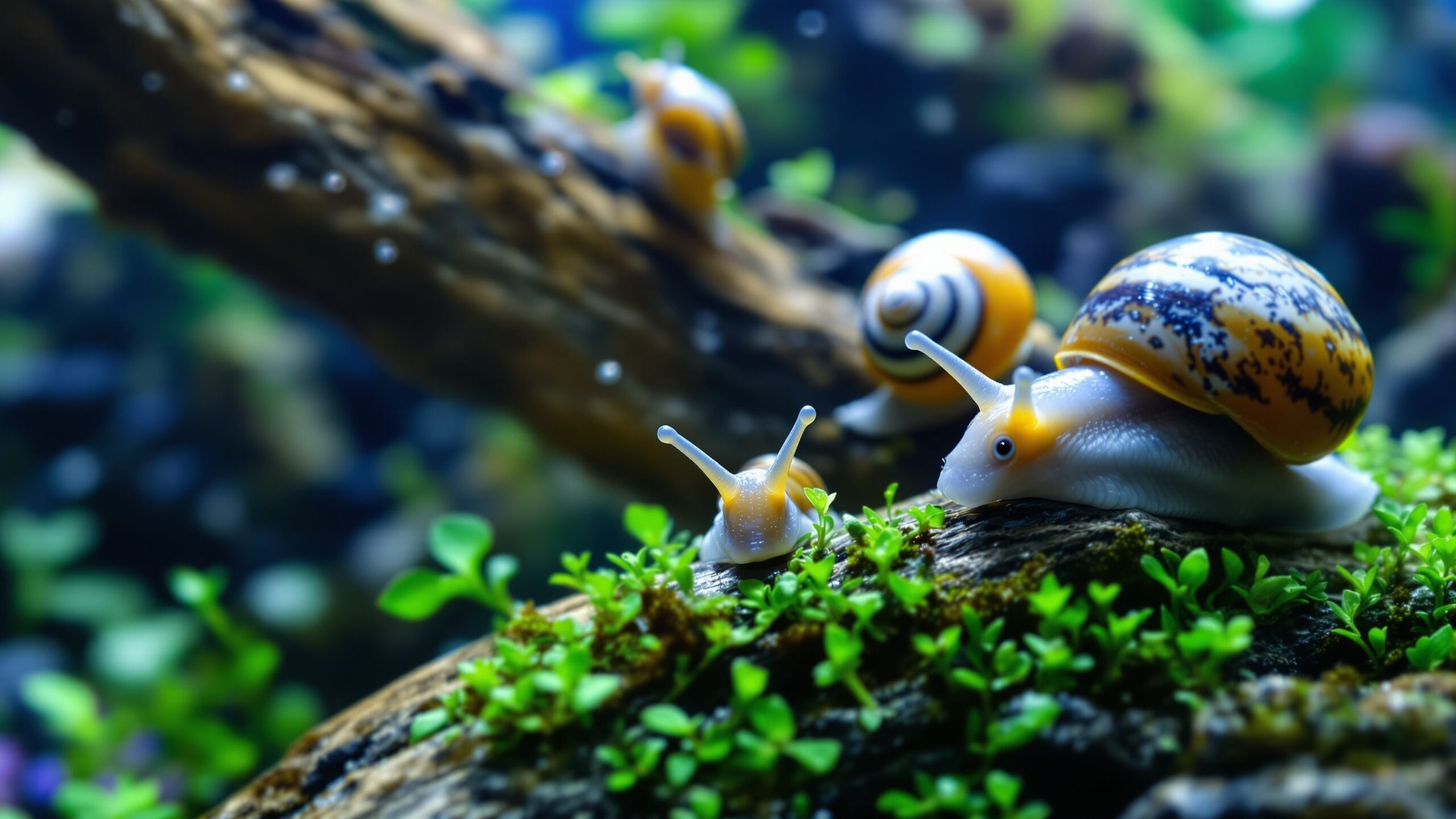
Mystery snails are larger than most aquarium snails and are known for their curious, active behavior. They often explore the tank, climb surfaces, and even interact with their environment in ways that make them a focal point. These snails come in a range of colors, including gold, blue, and purple, adding visual interest to your aquarium. Mystery snails are peaceful and easy to care for, but they do require stable water conditions and adequate food. Unlike nerite snails, they can reproduce, but only if both males and females are present and conditions are right.
Amano Snails and Other Algae Specialists
While not as commonly discussed as nerites or mystery snails, certain algae-eating snails excel in maintaining a clean tank. Species like horned nerites and other specialized varieties are particularly effective at targeting stubborn algae. These snails are typically peaceful and thrive in stable environments with plenty of surfaces to graze on. Their small size and efficiency make them ideal for planted tanks and nano setups where algae control is essential.
Ramshorn Snails: Efficient but Fast-Breeding
Ramshorn snails are excellent cleaners that feed on algae, decaying plant matter, and leftover food. They are hardy and adaptable, making them easy to care for in a variety of tank conditions. However, their ability to reproduce quickly can become a problem if their population is not controlled. Overfeeding the tank often leads to a rapid increase in their numbers. When managed properly, ramshorn snails can be a valuable part of the ecosystem, but they require careful monitoring.
Malaysian Trumpet Snails: Substrate Specialists
Malaysian trumpet snails are unique because they spend much of their time burrowing in the substrate. This behavior helps aerate the substrate and prevent compaction, which benefits plant roots and overall tank health. They are nocturnal and often emerge at night, adding a different dynamic to the aquarium. Like ramshorn snails, they can reproduce quickly, so population control is important. Their ability to improve substrate health makes them particularly useful in planted tanks.
Rabbit Snails: Unique and Peaceful
Rabbit snails are larger, slow-moving snails with long, spiral shells that give them a distinctive appearance. They are peaceful and do not reproduce rapidly, making them easier to manage than some other species. Rabbit snails are excellent for aquarists who want a unique and eye-catching addition to their tank without the risk of overpopulation. They prefer stable water conditions and benefit from a well-maintained environment.
Snail Compatibility with Fish
Compatibility is one of the most important considerations when adding snails to your aquarium. Most peaceful community fish coexist well with snails, but aggressive or predatory species may view them as food. Fish such as cichlids, loaches, and certain puffers are known to attack or eat snails, making them poor tank mates. Smaller, non-aggressive fish like tetras, rasboras, and livebearers are generally safe companions. Ensuring that your fish are compatible with snails helps maintain a peaceful and stress-free environment.
Snail Compatibility with Shrimp and Plants
Snails and shrimp often make excellent tank mates because they occupy similar roles in the ecosystem without competing aggressively. Both contribute to cleaning and maintenance, creating a balanced environment. Most freshwater snails are also safe for plants, as they primarily feed on algae and decaying material rather than healthy plant tissue. However, in cases where food is scarce, some snails may nibble on delicate plants, so maintaining proper feeding routines is important.
Controlling Snail Populations
One of the biggest concerns with freshwater snails is population control. Some species, like nerite and rabbit snails, do not reproduce easily in freshwater, making them low-risk choices. Others, like ramshorn and Malaysian trumpet snails, can multiply quickly if conditions allow. The most effective way to control snail populations is to manage feeding. Overfeeding leads to excess food in the tank, which supports rapid reproduction. Maintaining a balanced feeding schedule and removing excess waste helps keep snail numbers in check.
Care and Maintenance Tips
Snails are relatively low-maintenance, but they still require proper care. Stable water conditions are essential, as sudden changes in temperature or chemistry can harm them. Calcium is important for shell health, so ensuring that your water contains enough minerals supports strong, healthy shells. Regular water changes and good filtration help maintain a clean environment. Observing your snails regularly allows you to spot any issues early, such as shell damage or unusual behavior.
Why Snails Are a Valuable Addition
Adding snails to your aquarium enhances both its function and its beauty. They contribute to a cleaner, more balanced ecosystem while adding subtle movement and interest. Their presence reduces maintenance needs by helping control algae and waste, making them a practical choice for both beginners and experienced aquarists. A well-chosen snail species can complement your tank and improve its overall health.
Choosing the Right Snail for Your Tank
The best freshwater snails are those that match your tank’s needs and your maintenance preferences. Nerite snails are ideal for most setups due to their algae-eating ability and lack of reproduction. Mystery snails offer personality and visual appeal, while ramshorn and Malaysian trumpet snails provide efficiency with some management required. Rabbit snails add uniqueness without the risk of overpopulation. By understanding compatibility and care requirements, you can choose the right snails to create a balanced, thriving aquarium that is both functional and beautiful.