Cichlids are among the most captivating freshwater fish, but not all cichlids are created equal. Two of the most popular groups—African and South American cichlids—offer dramatically different experiences in the aquarium. From water chemistry and temperament to tank setup and behavior, understanding these differences is essential before choosing which path to take. Whether you’re a beginner deciding where to start or an experienced aquarist refining your setup, this guide breaks down the key differences between African and South American cichlids in a clear and practical way.
A: Generally no, due to differences in water chemistry and behavior.
A: African cichlids are typically more territorial and aggressive.
A: Many South American species like angelfish are more beginner-friendly.
A: Yes, some African species are more herbivorous, while South American types vary widely.
A: Rocky layouts with minimal plants and strong filtration.
A: Planted tanks with driftwood and softer water conditions.
A: Territorial behavior, lack of space, or incompatible species are common causes.
A: Yes, especially as they grow and establish territories.
A: Yes, they are known for bright and vivid coloration.
A: Mixing incompatible species or ignoring water parameter differences.
Origins and Natural Habitats
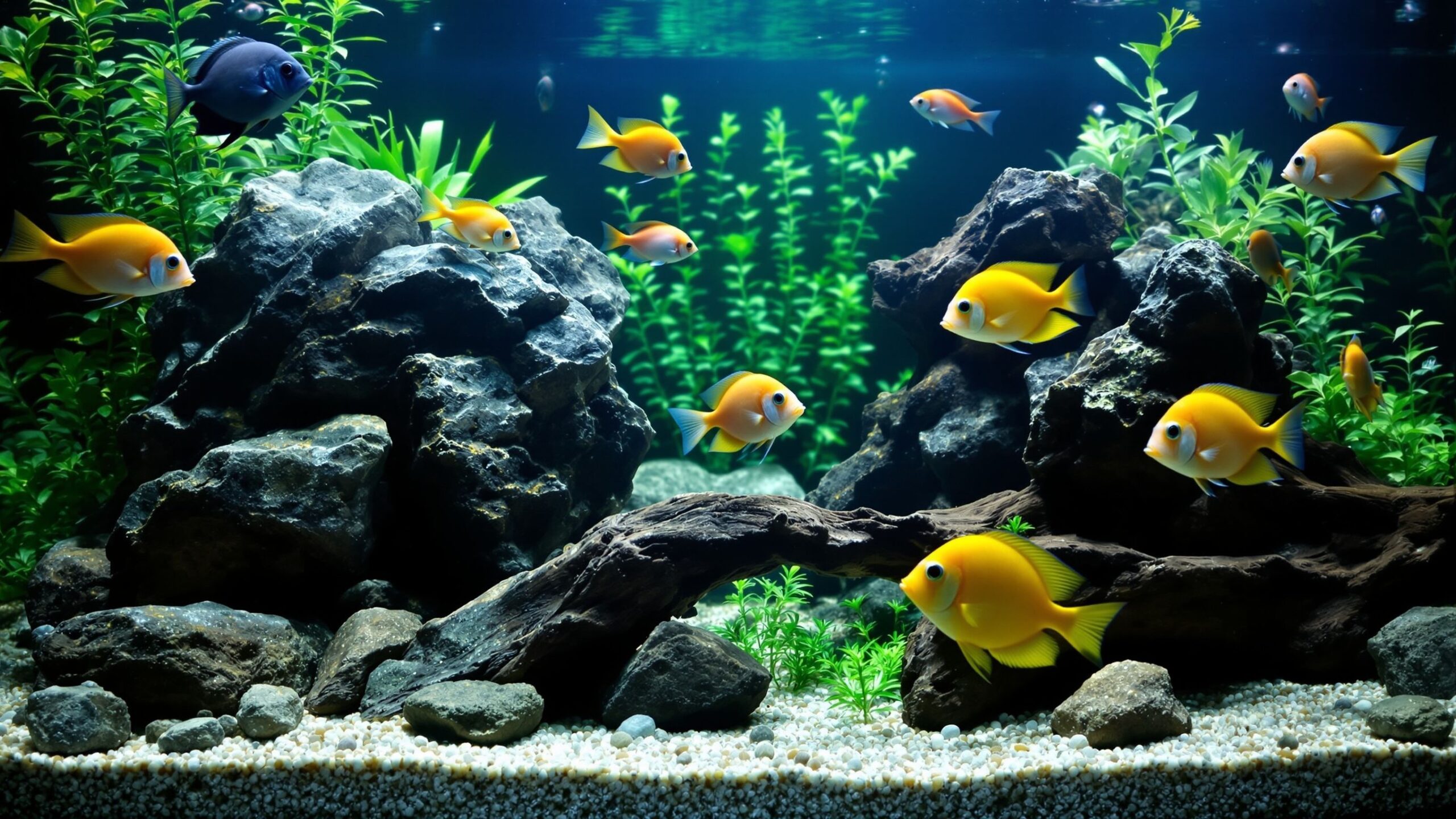
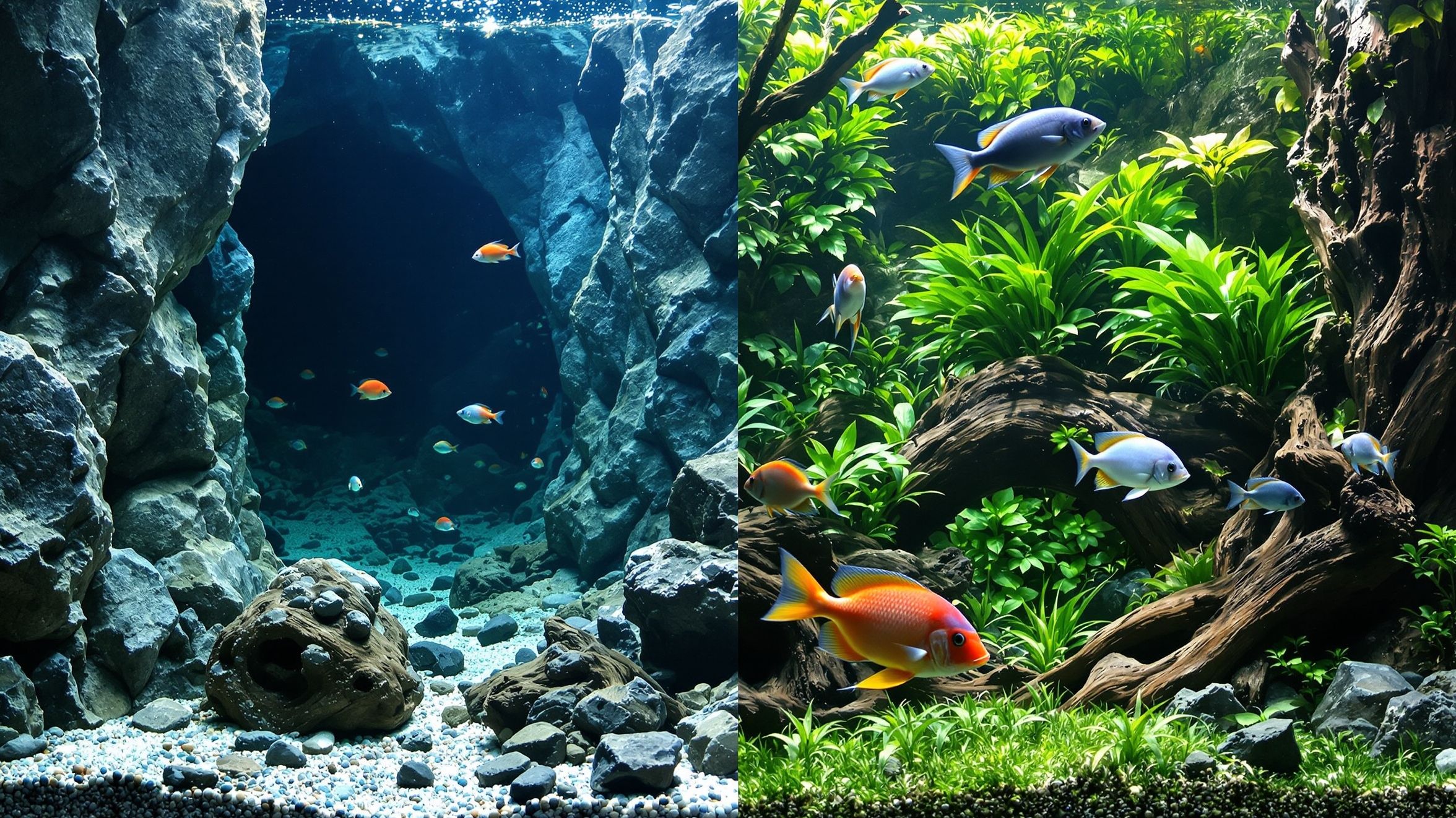
African cichlids primarily come from the African Great Lakes, especially Lake Malawi, Lake Tanganyika, and Lake Victoria. These lakes are known for their clear, mineral-rich waters and rocky environments. As a result, African cichlids have evolved to thrive in hard, alkaline water with plenty of rock formations and minimal plant life. Their natural habitats are structured, territorial, and highly competitive, which influences their behavior in aquariums.
South American cichlids, on the other hand, are typically found in river systems like the Amazon Basin. These environments are very different, featuring softer, more acidic water, slower currents, and abundant vegetation and driftwood. The surroundings are often more open and natural, which contributes to a different set of behaviors and compatibility patterns.
Water Chemistry and Conditions
One of the most important differences between these two groups lies in water chemistry. African cichlids require hard, alkaline water with a higher pH, often between 7.8 and 8.6. This mimics the mineral-rich conditions of their native lakes and helps maintain their health and coloration.
South American cichlids prefer softer, more acidic water, with a pH typically ranging from 6.0 to 7.5. These conditions replicate the tannin-rich waters of the Amazon and similar environments. Attempting to keep both types of cichlids in the same tank is usually unsuccessful because their water requirements are fundamentally different.
Maintaining stable water parameters is critical for both groups. Sudden changes can cause stress and health issues, so consistency is key regardless of which type you choose.
Temperament and Behavior
African cichlids are generally more aggressive and territorial. Many species establish and defend specific areas within the tank, especially rock-dwelling varieties like Mbuna. This aggression can be managed with proper tank design, such as adding rocks and hiding spaces, but it remains a defining characteristic.
South American cichlids tend to be more varied in temperament. Some species, like angelfish and discus, are relatively peaceful, while others, such as oscars, can be more assertive. Overall, they are often less aggressive than African cichlids and may be easier to integrate into certain community setups, depending on the species.
Behaviorally, both groups are highly intelligent and interactive. They display social hierarchies, recognize feeding routines, and may even respond to their owners. However, the intensity of territorial behavior is typically higher in African species.
Appearance and Coloration
African cichlids are known for their bright, almost neon-like colors. Blues, yellows, oranges, and even metallic hues are common, making them some of the most visually striking freshwater fish available. Their coloration is often consistent and vibrant, especially when kept in optimal conditions.
South American cichlids offer a different kind of beauty. While some species are colorful, many display more subtle, natural tones combined with unique patterns and body shapes. Angelfish, for example, are admired for their elegance, while discus are prized for their round shape and intricate patterns.
The choice between these groups often comes down to personal preference. African cichlids provide bold, high-contrast visuals, while South American cichlids offer a more natural and diverse aesthetic.
Tank Setup and Aquascaping
The differences in natural habitats are reflected in how their tanks should be set up. African cichlid tanks are typically rock-heavy, with caves and crevices that provide hiding spots and break up lines of sight. This helps reduce aggression by allowing fish to establish territories.
South American cichlid tanks often feature driftwood, plants, and open swimming areas. The goal is to recreate a natural river environment that feels calm and spacious. Plants can play a larger role in these setups, although some species may still uproot them.
Substrate choice can also vary. Sand is often preferred for both groups, but it is especially beneficial for species that like to dig or sift through the substrate.
Compatibility and Tank Mates
Compatibility is one of the biggest challenges when keeping cichlids. African cichlids are usually best kept with other African species that can handle their aggression and share similar water requirements. Mixing them with peaceful community fish is generally not recommended.
South American cichlids offer more flexibility, depending on the species. Some can coexist with other peaceful fish, while others require species-specific tanks. Careful selection and observation are essential to ensure compatibility.
Mixing African and South American cichlids in the same tank is almost always discouraged due to differences in water chemistry and behavior. Even if they appear to tolerate each other initially, long-term success is unlikely.
Diet and Feeding Differences
Dietary needs also vary between these groups. Many African cichlids, especially those from Lake Malawi, are herbivores or omnivores that require a diet rich in plant matter. Feeding them too much protein can lead to health issues.
South American cichlids are often more carnivorous or omnivorous, depending on the species. They may require higher protein content in their diet, including pellets, frozen foods, and occasional live food.
Providing the correct diet for each group is essential for maintaining their health, coloration, and overall well-being.
Which Is Better for Beginners?
Choosing between African and South American cichlids depends on your goals and experience level. African cichlids are often recommended for beginners who want vibrant color and activity, as long as they are prepared to manage aggression and maintain proper water conditions.
South American cichlids can also be beginner-friendly, particularly smaller or more peaceful species. They may require more attention to water quality and tank design, but they offer a different, often calmer experience.
Ultimately, there is no “better” choice—only the one that fits your preferences, setup, and willingness to manage their specific needs.
Common Mistakes to Avoid
A common mistake is attempting to mix African and South American cichlids in the same tank. Their differences in water chemistry and behavior make this a risky choice. Another mistake is underestimating aggression, particularly with African species. Overcrowding, poor tank design, and incompatible tank mates can quickly lead to conflict.
Neglecting water quality is another issue. Both groups require stable conditions, and poor maintenance can lead to stress and illness. Taking the time to research and plan your setup helps prevent these problems.
Choosing Your Cichlid Path
African and South American cichlids each offer unique and rewarding experiences. African cichlids bring unmatched color and energy, while South American cichlids provide diversity, intelligence, and a more natural aesthetic. Understanding their differences allows you to create a tank that suits their needs and highlights their strengths. By choosing one path and designing your aquarium around it, you set yourself up for success. With the right setup, proper care, and a bit of patience, your cichlid tank can become a dynamic and captivating centerpiece that reflects the beauty and complexity of these incredible fish.