Cichlids are among the most fascinating and diverse fish in the aquarium world. Known for their intelligence, vibrant colors, and complex behaviors, they offer a completely different experience compared to typical community fish. But with that beauty comes a challenge—cichlids are not all the same. Their temperament, care requirements, and compatibility vary dramatically depending on where they come from. This guide breaks down the three major groups of cichlids—African, South American, and Asian—so you can understand their differences, choose the right species, and build a successful aquarium around them. Whether you’re a beginner stepping into cichlids for the first time or an enthusiast looking to expand, understanding these groups is the key to success.
A: Some species like angelfish or dwarf cichlids are beginner-friendly, while others require experience.
A: It depends, but mixing regions often leads to compatibility issues.
A: Many are territorial and protect space, mates, or breeding sites.
A: Larger tanks are usually better due to their activity and territorial behavior.
A: Yes, diets should match whether they are herbivores, omnivores, or carnivores.
A: Some peaceful species can, but many are best kept in species-specific setups.
A: Lack of space, poor layout, or incompatible species are common causes.
A: Some are easy, but others require careful planning and maintenance.
A: Many do and often show strong parental care behaviors.
A: Mixing incompatible species without understanding their needs.
What Makes Cichlids Unique?
Cichlids stand out because of their intelligence and behavior. Unlike many fish that simply swim and feed, cichlids interact with their environment and even recognize their owners. They are known for digging, rearranging substrate, claiming territory, and displaying social hierarchies within the tank. Another defining trait is their parental care. Many cichlids guard their eggs and fry with remarkable dedication, sometimes even carrying them in their mouths for protection. This level of behavior makes them incredibly engaging to watch, but it also introduces complexity when it comes to tank setup and compatibility. Because of their territorial nature, cichlids require more planning than peaceful community fish. Tank size, layout, and species selection all play critical roles in maintaining harmony.
African Cichlids: Colorful and Energetic
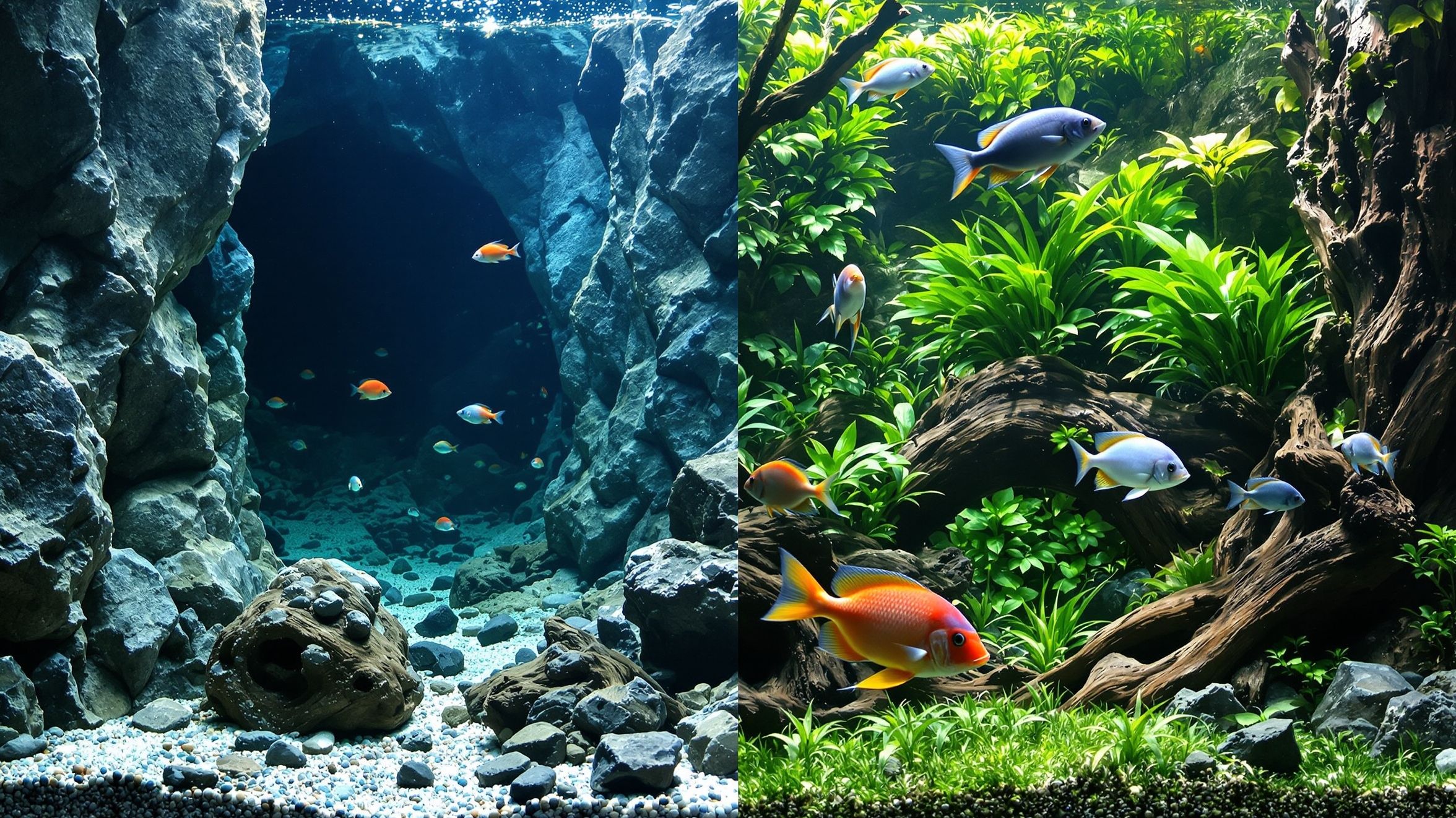
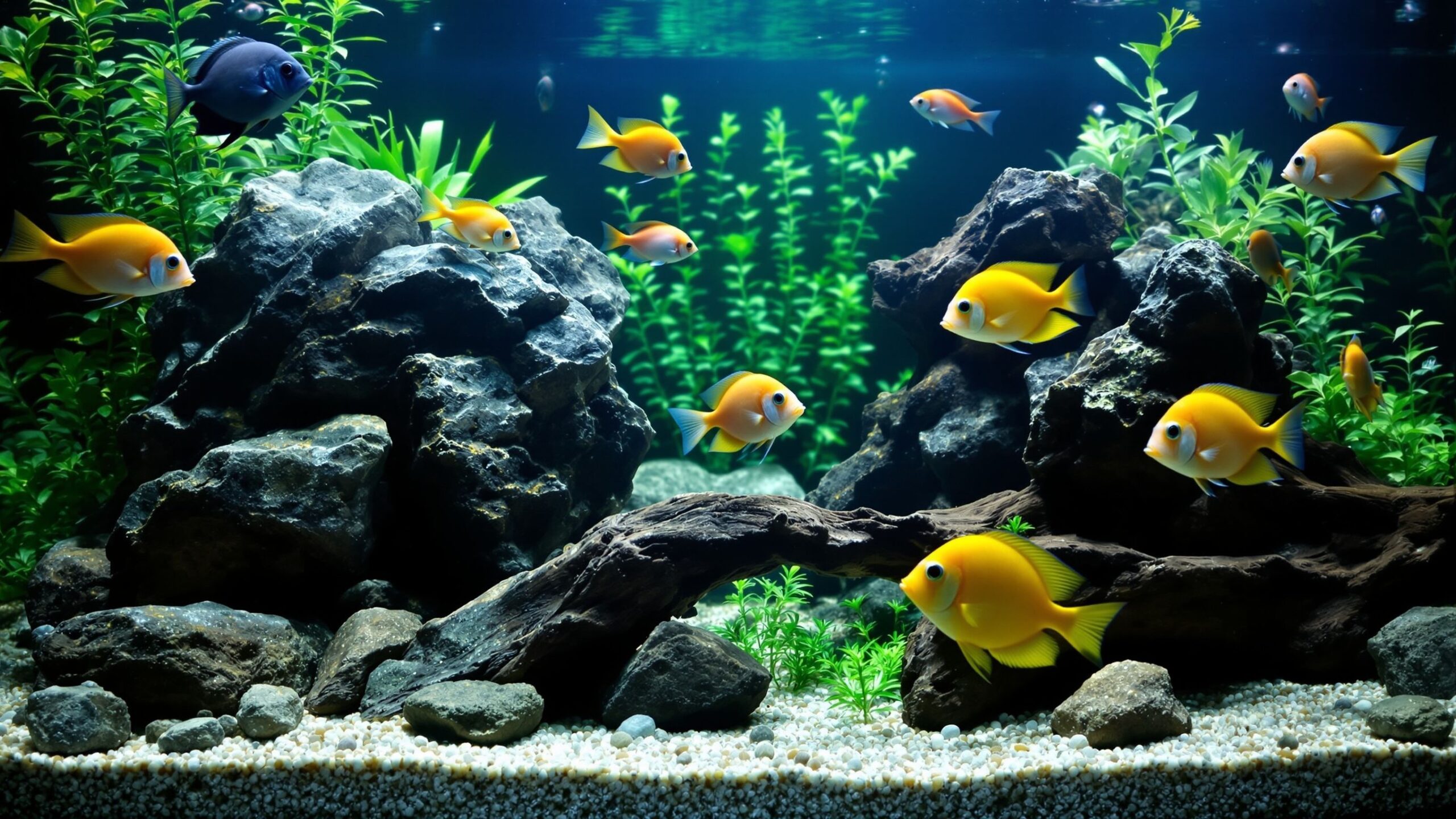
African cichlids are some of the most visually striking freshwater fish available. Originating primarily from the African Great Lakes—Lake Malawi, Lake Tanganyika, and Lake Victoria—they are known for their bright blues, yellows, and oranges that rival even saltwater fish. These fish are highly active and often aggressive, especially within their own species. Mbuna cichlids from Lake Malawi, for example, are rock-dwelling fish that establish territories and defend them vigorously. Because of this, African cichlid tanks are typically set up with plenty of rocks and hiding spaces to break line-of-sight and reduce aggression. Water chemistry is also important. African cichlids prefer harder, more alkaline water compared to many other freshwater fish. Maintaining stable conditions that mimic their natural environment is essential for their health and coloration. Despite their aggression, African cichlids can be kept successfully in species-specific or carefully planned community setups where aggression is managed through stocking strategies and tank design.
South American Cichlids: Intelligent and Diverse
South American cichlids offer a different experience. Found in rivers like the Amazon, these fish tend to be more varied in both size and temperament. Some species, like angelfish and discus, are relatively peaceful, while others, like oscars, are large and more assertive. One of the most appealing aspects of South American cichlids is their intelligence. Many owners report that these fish recognize them and even respond during feeding time. This interaction creates a strong connection between aquarist and fish. Water conditions for South American cichlids typically lean toward softer, more acidic environments. Tanks often include driftwood, plants, and open swimming areas to replicate their natural habitats. While some species can coexist in community tanks, others are better suited for species-only setups due to their size or temperament. Understanding each species’ behavior is crucial when designing your aquarium.
Asian Cichlids: Rare and Underrated
Asian cichlids are less commonly discussed but equally fascinating. These species are found in parts of India, Sri Lanka, and Southeast Asia. Compared to African and South American cichlids, they are generally less aggressive and more adaptable to community environments. Many Asian cichlids display subtle but beautiful coloration and unique behaviors. They often thrive in planted tanks with gentle water flow and plenty of hiding spaces. Their calmer nature makes them a great option for aquarists who want cichlid behavior without extreme aggression. Because they are less common in the hobby, Asian cichlids can be harder to find, but they offer a rewarding experience for those willing to seek them out.
Key Differences Between African, South American, and Asian Cichlids
The most important differences between these groups lie in aggression, water chemistry, and tank setup. African cichlids are typically the most aggressive and require alkaline water and rocky environments. South American cichlids vary widely but often prefer softer, more acidic water and natural décor like wood and plants. Asian cichlids fall somewhere in between, often being more peaceful and adaptable. Understanding these differences helps you avoid one of the biggest mistakes in fishkeeping—mixing incompatible species. Combining fish with different water requirements or temperaments can lead to stress, illness, or conflict.
Tank Setup for Cichlids
Setting up a cichlid tank requires more intention than a standard community aquarium. Space is critical. Many cichlids grow larger than typical tropical fish and need room to establish territories. Larger tanks not only accommodate their size but also help diffuse aggression. Aquascaping plays a functional role as well as an aesthetic one. Rocks, caves, and decorations create boundaries that reduce conflict by giving fish places to retreat. For African cichlids, rock-heavy setups are ideal, while South American and Asian species often benefit from a mix of plants and wood. Filtration is especially important because cichlids tend to produce more waste. A strong, reliable filter helps maintain water quality and keeps the tank stable.
Feeding and Nutrition
Cichlids are generally omnivorous, but their diets can vary depending on the species. Some African cichlids are primarily herbivores and require plant-based diets, while many South American species are more protein-focused. Providing a balanced diet that matches the natural feeding habits of your fish is essential for their health and coloration. Overfeeding should be avoided, as it can lead to poor water quality and health issues. Observing feeding behavior is also a great way to monitor the well-being of your fish. Active, responsive feeding is usually a sign of a healthy aquarium.
Compatibility and Tank Mates
One of the biggest challenges with cichlids is compatibility. Unlike peaceful community fish, cichlids often establish territories and may not tolerate intruders. Choosing tank mates requires careful research and planning. In many cases, it’s best to keep cichlids with others from the same region and similar temperament. Mixing African and South American cichlids, for example, is generally not recommended due to differences in water chemistry and behavior. Some species can coexist with non-cichlid fish, but these tank mates must be carefully selected to ensure they can handle the cichlids’ activity and temperament.
Common Mistakes to Avoid
A common mistake is underestimating aggression. Many beginners are drawn to the beauty of cichlids without realizing how territorial they can be. Overcrowding, poor tank design, and incompatible species can quickly lead to conflict. Another mistake is ignoring water chemistry. Each group of cichlids has specific requirements, and failing to meet them can result in stress and health issues. Rushing the setup process is also problematic. Like any aquarium, a cichlid tank needs time to cycle and stabilize before fish are introduced.
Why Cichlids Are Worth the Effort
Despite the challenges, cichlids are incredibly rewarding to keep. Their intelligence, interaction, and vibrant colors create an aquarium experience unlike any other. Watching them establish territories, care for their young, and interact with their environment adds depth and personality to your tank. For many aquarists, cichlids become more than just fish—they become the centerpiece of the aquarium and a true passion.
Final Thoughts: Choosing the Right Cichlid Path
The world of cichlids is vast and diverse, offering something for every type of aquarist. African cichlids deliver unmatched color and energy, South American cichlids provide intelligence and variety, and Asian cichlids offer a peaceful and unique alternative. Choosing the right group depends on your experience level, tank setup, and personal preference. By understanding their differences and planning carefully, you can create a thriving cichlid aquarium that showcases the beauty and complexity of these incredible fish. With patience, research, and attention to detail, your cichlid tank can become a dynamic, living display that continues to captivate and inspire.