Cichlids are often seen as a step up in the aquarium hobby, known for their intelligence, personality, and striking colors. While some species can be aggressive or demanding, many cichlids are surprisingly beginner-friendly when chosen carefully. The key is selecting species that are hardy, manageable in temperament, and adaptable to stable tank conditions. This guide explores the best cichlids for beginners and shows you how to care for them properly so you can build a thriving and rewarding aquarium from the start.
A: Angelfish, kribensis, and Bolivian rams are often considered beginner-friendly options.
A: Some are, but many beginner species are relatively peaceful with proper setup.
A: Yes, certain species can coexist with compatible tankmates.
A: A moderate to larger tank is recommended to reduce territorial issues.
A: Yes, their diet should match their natural feeding habits.
A: Aggression often comes from territory disputes or overcrowding.
A: Often yes, because they require less space and are usually less aggressive.
A: Yes, but they require careful planning and species selection.
A: Regular partial water changes and maintenance keep conditions stable.
A: Mixing incompatible species and rushing the setup process.
What Makes a Cichlid Beginner-Friendly?
Not all cichlids are suitable for beginners, so understanding what makes one easier to care for is essential. Beginner-friendly cichlids tend to be less aggressive, more tolerant of minor water fluctuations, and easier to feed. They also adapt well to standard aquarium setups without requiring highly specialized conditions. Temperament plays a major role, as overly aggressive species can cause stress and conflict in the tank. Size is another factor, since smaller or medium-sized cichlids are easier to house and maintain. Choosing species that are known for stability and adaptability sets the foundation for a successful experience.
German Blue Ram: Small, Colorful, and Manageable
German blue rams are one of the most popular beginner cichlids due to their manageable size and vibrant coloration. Their shimmering blues and yellows make them stand out, while their relatively peaceful nature allows them to coexist with other calm fish. They prefer warm, stable water and benefit from a well-maintained tank with plants and hiding spots. While slightly sensitive to poor water conditions, they thrive when basic care routines are followed consistently.
Bolivian Ram: Hardy and Forgiving
Bolivian rams are often recommended as an alternative to German blue rams because they are more forgiving of beginner mistakes. They share a similar body shape but have more subdued coloration and a calmer temperament. These fish adapt well to a variety of conditions and are less sensitive to fluctuations, making them an excellent starting point for those new to cichlids. Their peaceful nature allows them to fit into community-style setups.
Kribensis: Peaceful and Full of Personality
Kribensis cichlids are known for their unique appearance and engaging behavior. They are relatively small, easy to care for, and less aggressive than many other cichlids. Their vibrant coloration becomes especially pronounced during breeding, and they display fascinating parental care. Kribensis do well in tanks with caves and hiding spaces, which help them feel secure and reduce stress.
Apistogramma: Dwarf Cichlids with Character
Apistogramma species are small dwarf cichlids that bring both color and personality to a tank. While there are many varieties, most share a relatively peaceful temperament compared to larger cichlids. They thrive in planted aquariums with soft lighting and plenty of hiding spots. Although they require stable water conditions, they are manageable for beginners who are willing to maintain consistency.
Electric Yellow Cichlid: Bright and Hardy
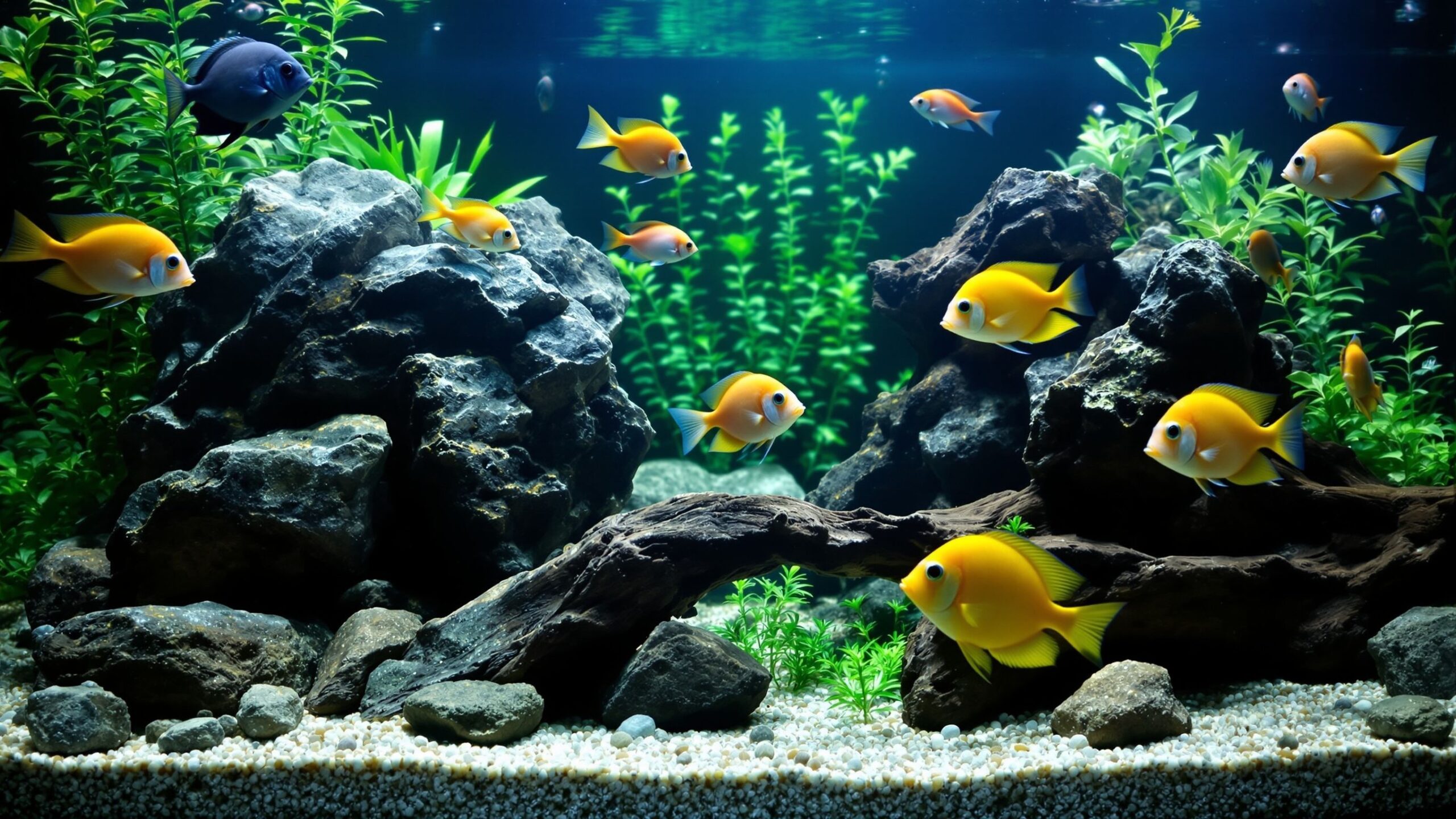
The electric yellow cichlid is one of the few African cichlids considered beginner-friendly. Its bright yellow coloration makes it a standout in any tank, and it is generally less aggressive than many other African species. These fish prefer alkaline water and a tank with rocks and caves. With proper setup and compatible tank mates, they can be a great introduction to African cichlids.
Keyhole Cichlid: Gentle and Underrated
Keyhole cichlids are often overlooked but are among the most peaceful cichlids available. They are shy, gentle fish that do well in calm environments with plenty of plants and hiding spaces. Their subdued coloration may not be as flashy as other cichlids, but their easygoing nature makes them ideal for beginners seeking a low-conflict tank.
Convict Cichlid: Hardy but Requires Careful Planning
Convict cichlids are extremely hardy and easy to care for, making them appealing to beginners. However, they are also more aggressive than other beginner options, especially during breeding. While they can be a good choice for those willing to manage their behavior, they are best kept in species-only tanks or with carefully selected tank mates.
Angelfish: Elegant and Beginner-Friendly
Angelfish are one of the most recognizable cichlids and are often kept in community aquariums. Their graceful swimming and distinctive shape make them a centerpiece species. While they can show mild aggression, especially as they mature, they are generally manageable and adapt well to a variety of setups. Providing enough space and compatible tank mates is key to keeping them happy.
Setting Up a Beginner Cichlid Tank
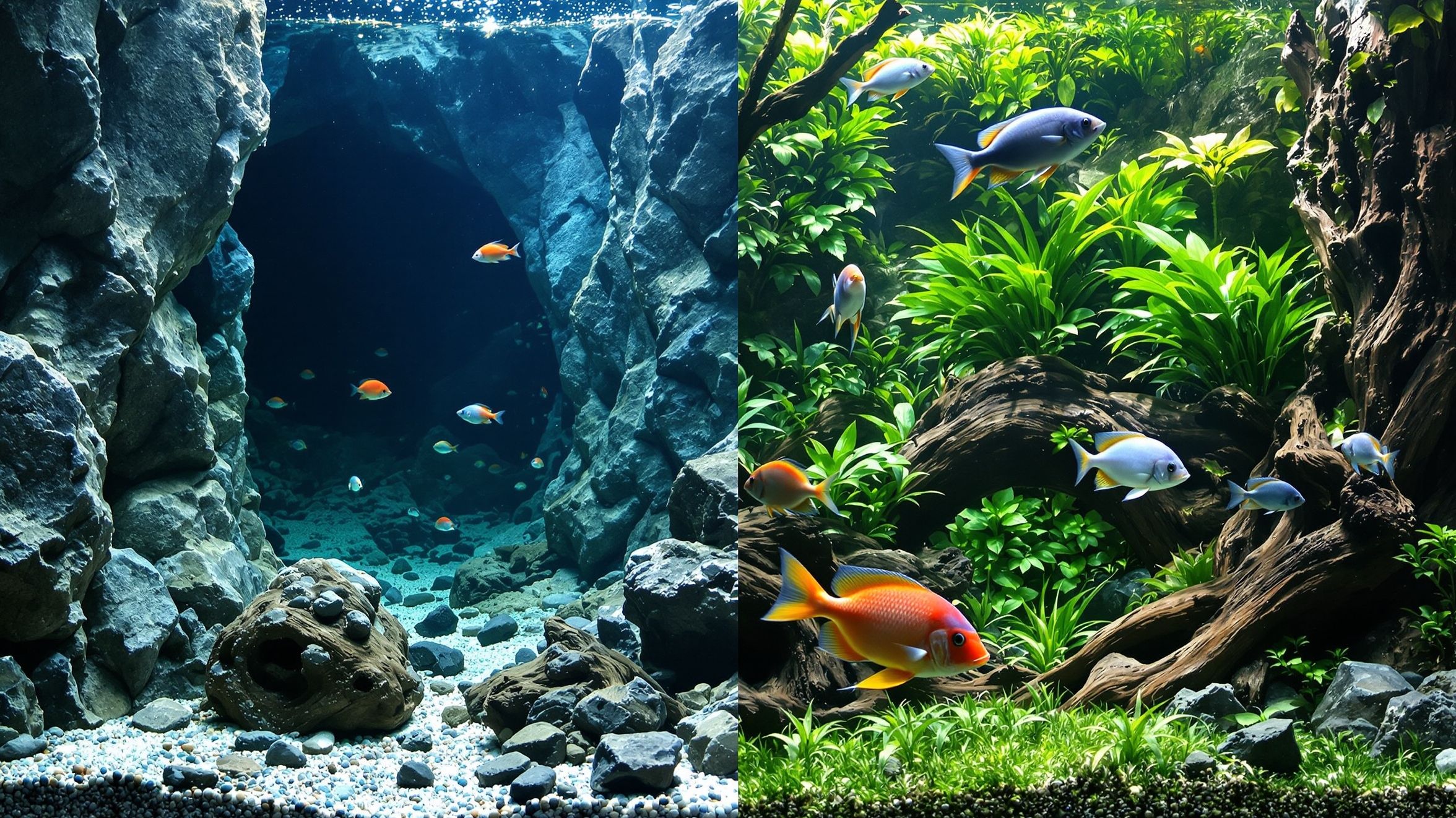
Creating the right environment is essential for success with cichlids. Tank size should be large enough to accommodate the species you choose, as many cichlids establish territories. Decorations such as rocks, caves, and plants provide hiding spots and help reduce aggression. Water quality must be maintained consistently, with proper filtration and regular water changes. Matching the tank setup to the natural habitat of your chosen species improves both health and behavior.
Feeding and Care Basics
Cichlids generally accept a wide range of foods, including pellets, flakes, and frozen options. Providing a balanced diet that matches their natural feeding habits supports their health and coloration. Feeding should be controlled to prevent overfeeding and maintain water quality. Observing your fish daily helps you detect any changes in behavior or health early.
Common Mistakes Beginners Should Avoid
One of the biggest mistakes is choosing cichlids based solely on appearance without understanding their behavior. Aggression, tank size requirements, and compatibility must all be considered. Overcrowding the tank or mixing incompatible species can lead to stress and conflict. Neglecting water quality is another common issue, as cichlids require stable conditions to thrive. Taking a patient and informed approach helps prevent these problems.
Why Beginner Cichlids Are So Rewarding
Cichlids offer a level of interaction and personality that few other fish can match. Watching them explore their environment, establish territories, and even recognize their owners creates a unique and engaging experience. For beginners, choosing the right species allows you to enjoy these qualities without being overwhelmed by complexity.
Start Smart and Build Confidence
Starting with beginner-friendly cichlids sets you up for success in the hobby. By choosing species that are manageable, hardy, and compatible with your setup, you can build confidence and develop your skills over time. As you gain experience, you may explore more advanced species and setups. With the right approach, your first cichlid tank can become the foundation for a lifelong passion.