Creating a perfect community aquarium is both an art and a science. It’s about more than simply filling a tank with water and fish—it’s about designing a balanced, living ecosystem where different species coexist peacefully, thrive in shared conditions, and create a visually captivating underwater world. Whether you’re a complete beginner or someone looking to refine your setup, building a successful community aquarium requires thoughtful planning, patience, and an understanding of aquatic life. A well-built community tank becomes a centerpiece in any space. The gentle movement of fish, the sway of plants, and the clarity of the water combine to create a calming, almost meditative experience. But behind that beauty is a carefully structured system that supports life in a stable and sustainable way.
A: A moderate-sized tank is often easier for beginners because it offers more stability.
A: Stock gradually and avoid overcrowding to maintain water quality.
A: Yes, but they must be compatible in size, temperament, and water needs.
A: Regular partial water changes help maintain a healthy environment.
A: Not required, but they improve aesthetics and water balance.
A: It is the process of establishing beneficial bacteria to handle fish waste.
A: Common causes include poor water quality, overcrowding, or incompatible tankmates.
A: A varied diet suited to each species supports health and coloration.
A: Yes, with patience, research, and consistent care.
A: Rushing setup and adding too many fish too quickly.
Understanding the Concept of a Community Aquarium
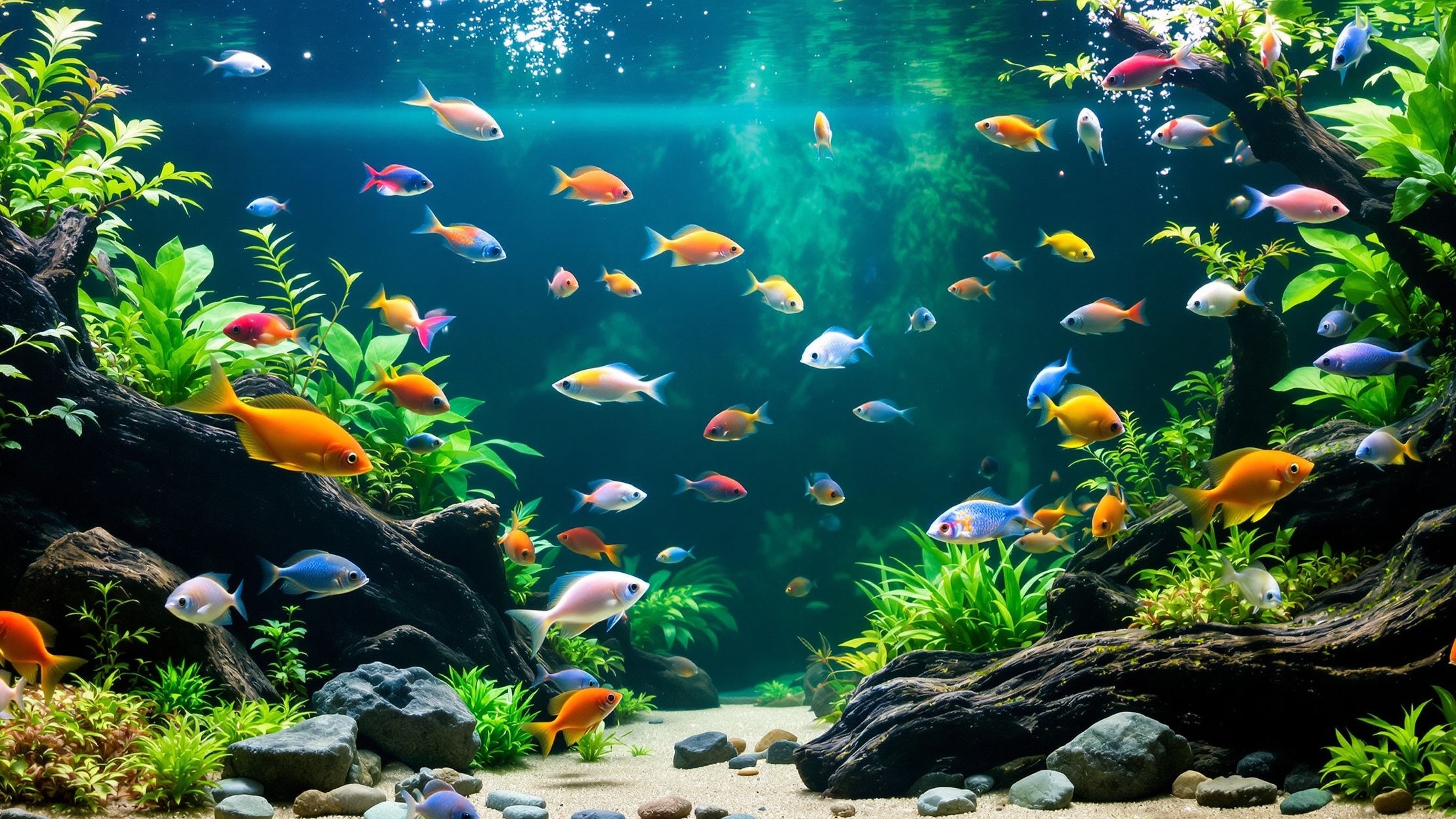
A community aquarium is a tank that houses multiple species of fish and aquatic life that are compatible in temperament, size, and environmental needs. The goal is harmony. Unlike species-specific tanks, where only one type of fish is kept, a community aquarium celebrates diversity—different colors, behaviors, and swimming patterns working together without conflict.
The success of a community aquarium depends heavily on compatibility. Fish must share similar water temperature ranges, pH preferences, and dietary needs. Equally important is temperament. Peaceful fish coexist with minimal stress, while aggressive or territorial species can quickly disrupt the balance.
Another key element is spatial distribution. Some fish prefer the top of the tank, others the middle, and some stay near the bottom. A well-designed community tank uses all levels, creating constant movement and visual depth without overcrowding any one area.
Choosing the Right Tank Size
One of the most common misconceptions among beginners is that smaller tanks are easier to manage. In reality, larger tanks are far more stable. Water parameters such as temperature, ammonia, and pH fluctuate less dramatically in larger volumes, giving you more room for error.
A 20-gallon tank is often considered the ideal starting point for a community aquarium. It provides enough space to house multiple species comfortably while still being manageable in terms of maintenance and cost. Larger tanks, such as 30 or 40 gallons, offer even greater flexibility and allow for more diverse fish combinations.
Tank shape also plays a role. Longer tanks are generally better than taller ones because they provide more horizontal swimming space, which most fish prefer. This is especially important for schooling species that move in groups.
Essential Equipment for a Thriving Aquarium
Behind every beautiful aquarium is a set of reliable equipment working quietly in the background. Filtration is the backbone of your tank, removing waste and maintaining water quality. A good filter supports beneficial bacteria that break down harmful toxins, keeping the environment safe for fish.
A heater is essential for tropical community tanks, maintaining a consistent temperature typically between 72°F and 80°F. Stability is key, as sudden temperature changes can stress or harm fish.
Lighting enhances both the appearance and functionality of your aquarium. Proper lighting supports plant growth and highlights the colors of your fish. However, it should be balanced to prevent excessive algae growth.
Substrate, such as gravel or sand, provides a foundation for plants and beneficial bacteria. Decorations like driftwood, rocks, and caves create hiding spots, reduce stress, and give fish a sense of security.
The Nitrogen Cycle: The Foundation of Aquarium Health
Before adding any fish, it’s crucial to establish the nitrogen cycle. This natural biological process allows beneficial bacteria to convert harmful waste products into less toxic substances. Fish produce ammonia through waste and respiration, which is highly toxic even in small amounts.
Beneficial bacteria convert ammonia into nitrite, which is still harmful, and then into nitrate, which is less toxic and can be managed through regular water changes. Cycling a tank takes time, often several weeks, but it is essential for long-term success.
Skipping this step is one of the most common mistakes beginners make, and it often leads to fish stress or loss. Patience during this stage sets the foundation for a healthy aquarium.
Selecting the Right Fish for Your Community
Choosing the right fish is where creativity meets responsibility. A balanced community tank includes a mix of species that occupy different levels and bring unique characteristics to the environment. Peaceful species such as guppies, tetras, rasboras, and corydoras catfish are excellent choices for beginners.
Schooling fish should be kept in groups to reduce stress and encourage natural behavior. Bottom dwellers help keep the tank clean, while mid-level swimmers add movement and color. Surface dwellers complete the ecosystem by utilizing the top space.
It’s important to consider the adult size of each fish. Many species sold in stores are juveniles and will grow significantly. Overcrowding can lead to poor water quality and increased stress.
Aquascaping: Designing Your Underwater World
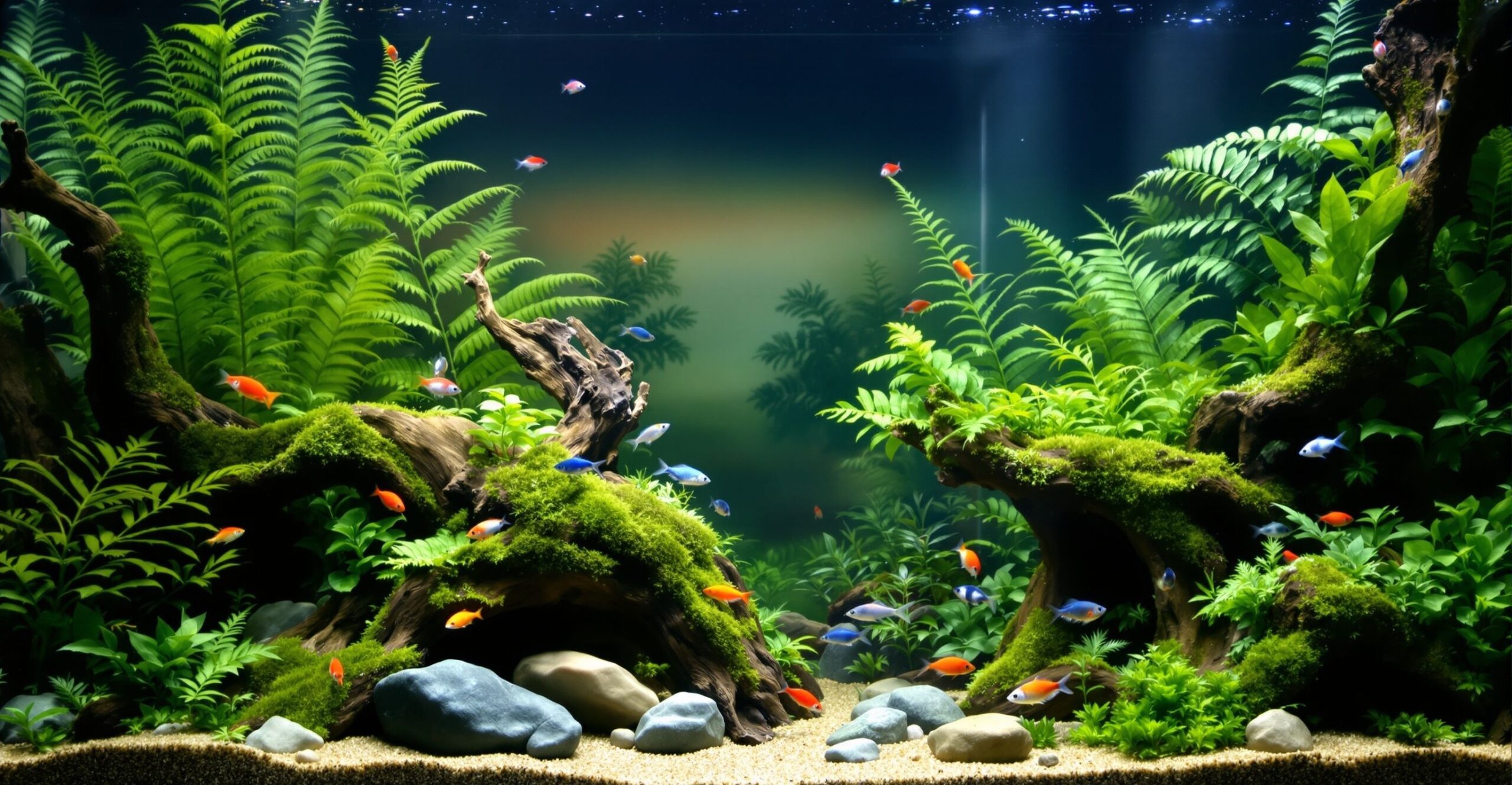
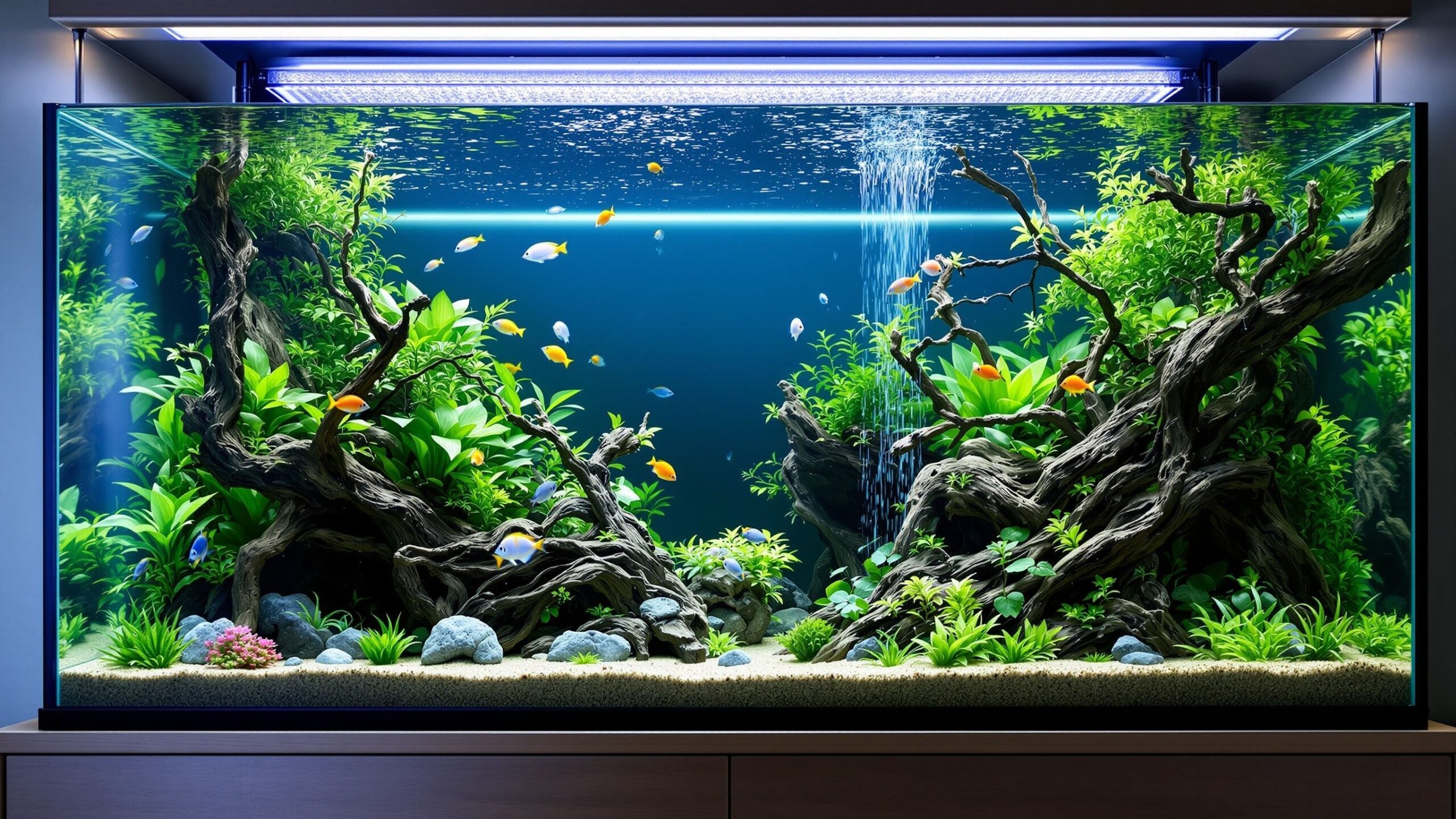
Aquascaping is the art of arranging plants, rocks, and decorations in your aquarium. A well-designed layout not only looks beautiful but also supports the needs of your fish. Plants provide oxygen, absorb nitrates, and offer hiding places.
Creating a sense of depth and balance is key. Placing taller plants in the background and shorter ones in the foreground creates a natural look. Open swimming areas allow fish to move freely, while dense areas provide shelter.
Driftwood and rocks can be used to create focal points and territories, helping reduce aggression by giving fish defined spaces. A thoughtfully designed aquascape enhances both the visual appeal and functionality of your tank.
Feeding and Nutrition
Feeding your fish properly is essential for their health and the cleanliness of your tank. Most community fish thrive on a varied diet that includes high-quality flakes or pellets, supplemented with frozen or live foods.
Overfeeding is a common issue that can lead to poor water quality. Uneaten food breaks down and contributes to ammonia levels, disrupting the balance of the tank. Feeding small amounts that fish can consume within a few minutes helps maintain a clean environment.
Observing your fish during feeding time also provides insight into their health and behavior. Active, eager feeding is usually a sign of a healthy aquarium.
Maintenance: Keeping Your Aquarium Stable
Regular maintenance is the key to a thriving community aquarium. Weekly water changes help remove excess nitrates and replenish essential minerals. Cleaning the substrate and maintaining the filter ensures that waste does not accumulate.
Consistency is more important than perfection. Small, regular tasks prevent larger problems from developing. Monitoring water parameters such as temperature, pH, ammonia, nitrite, and nitrate levels helps you stay ahead of potential issues.
A well-maintained tank not only looks better but also supports healthier, more vibrant fish.
Common Mistakes to Avoid
Even experienced aquarists can make mistakes, but beginners are especially prone to a few common pitfalls. Overcrowding the tank is one of the biggest issues, leading to stress and poor water quality. Adding fish too quickly can overwhelm the biological filtration system.
Mixing incompatible species can result in aggression and injury. It’s important to research each species before introducing it to your tank. Neglecting maintenance or overfeeding can also disrupt the balance of the aquarium.
Patience and research are your best tools. Taking the time to plan and care for your tank properly leads to long-term success.
The Rewards of a Perfect Community Aquarium
A well-balanced community aquarium offers more than just visual beauty. It creates a sense of calm and connection to nature. Watching fish interact, explore, and thrive in a carefully designed environment is deeply satisfying.
As your skills grow, your aquarium can evolve. You may experiment with new species, advanced aquascaping techniques, or even breeding projects. Each step builds on your experience, turning a simple hobby into a lifelong passion.
Building Your Underwater Masterpiece
The perfect community aquarium doesn’t happen overnight. It’s the result of thoughtful planning, careful selection, and consistent care. By understanding the needs of your fish and creating a stable environment, you can build a thriving ecosystem that brings beauty and tranquility into your space. Start with the basics, take your time, and enjoy the process. With patience and dedication, your aquarium will become more than just a tank—it will be a living, breathing work of art that reflects your care and creativity.