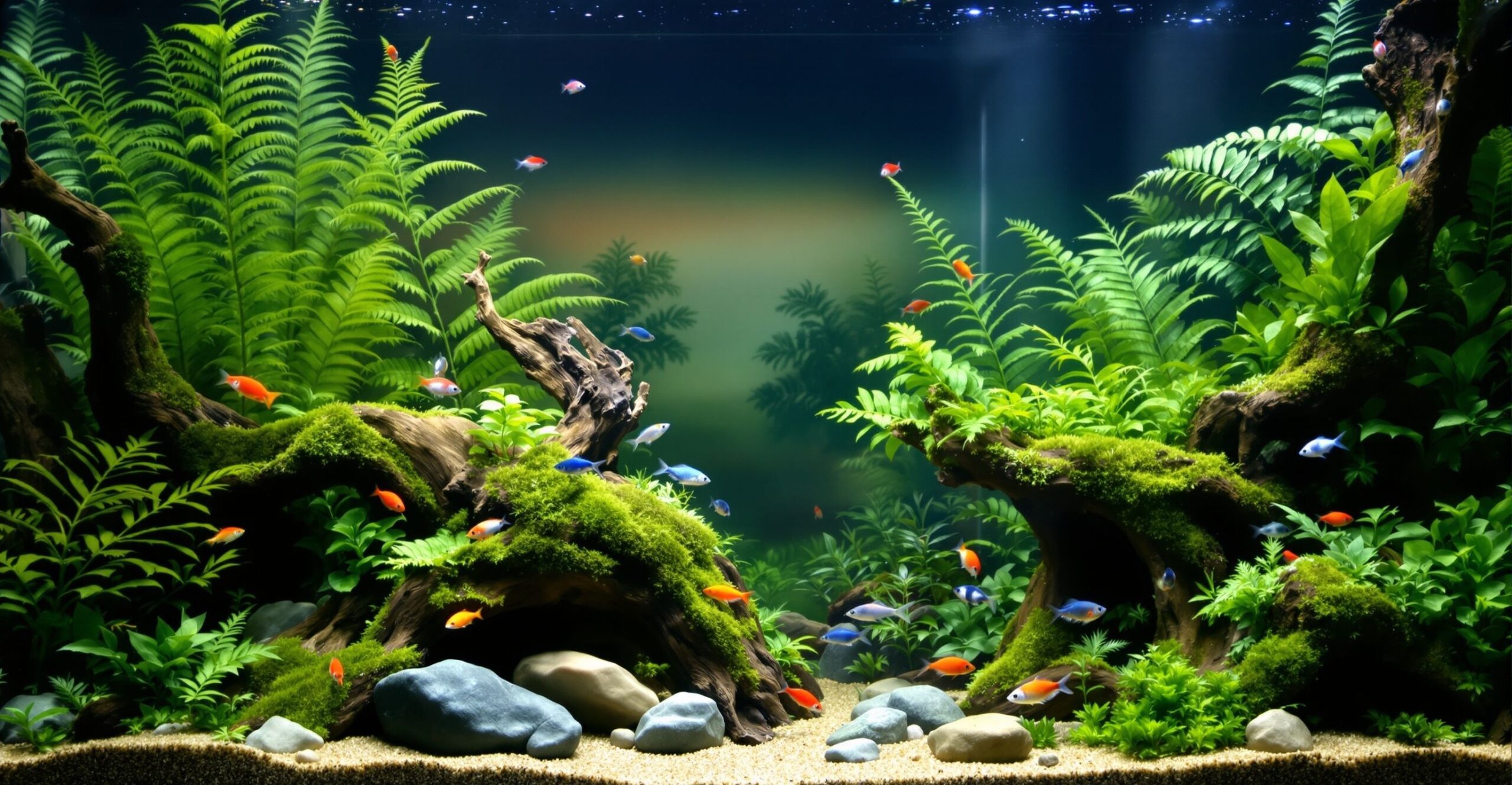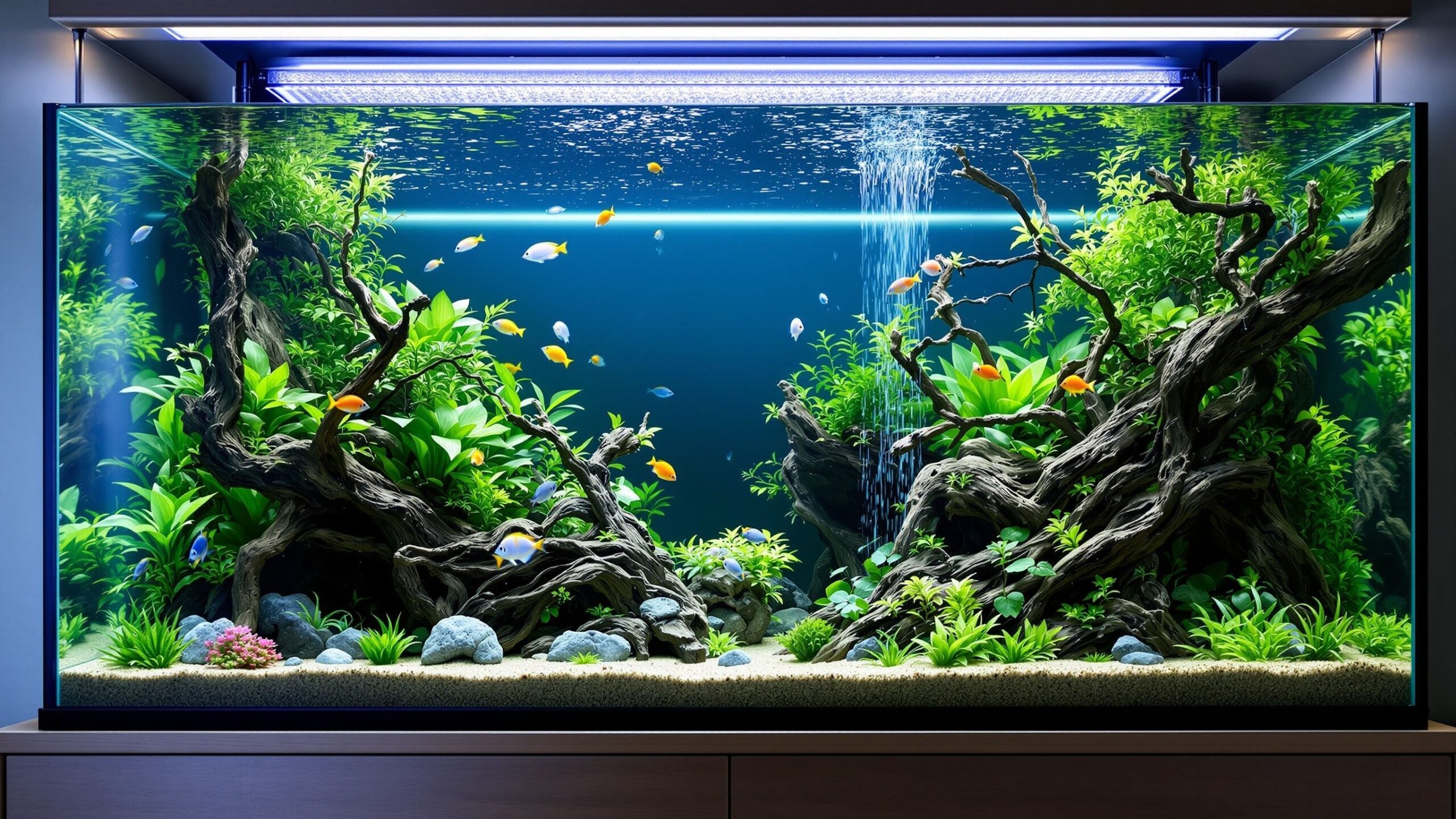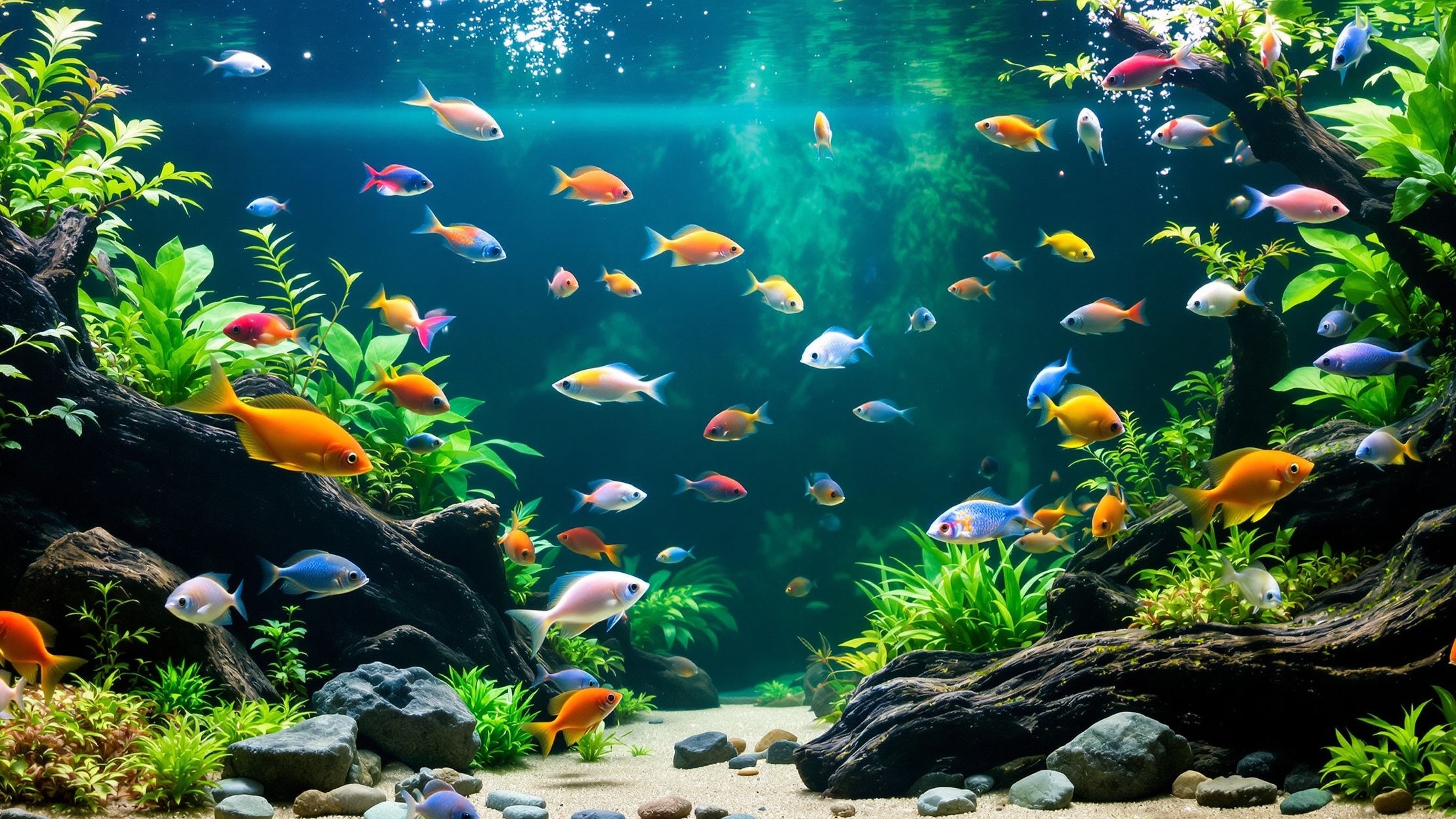
Building a peaceful tropical community aquarium is one of the most satisfying ways to experience fishkeeping. Instead of a tank filled with stress, chasing, and territorial behavior, a well-planned community becomes a calm, flowing ecosystem where every species coexists in harmony. The key is choosing fish that are naturally peaceful, compatible in size and temperament, and adaptable to similar water conditions. Whether you’re a beginner or looking to refine your aquarium, this guide explores 25 peaceful tropical fish that thrive together and create a balanced, visually stunning tank.
A: Neon tetras, harlequin rasboras, Corydoras, honey gouramis, platies, and kuhli loaches are common favorites.
A: Not always, because size, activity level, and water needs still matter.
A: Harlequin rasboras, zebra danios, platies, and Corydoras are often strong beginner choices.
A: Yes, but they breed quickly and can become overcrowded if mixed sexes are kept together.
A: They help eat leftover food, but they do not replace normal tank maintenance.
A: Most schooling species do best in groups large enough to help them feel secure and act naturally.
A: Aggression, fin-nipping, extreme size difference, or constant territorial behavior can all cause trouble.
A: Yes, calm species such as honey gouramis are often used for that exact role.
A: Often yes, because plants provide cover, reduce stress, and make the tank feel more natural.
A: Overstocking too quickly and mixing fish based only on looks instead of compatibility.
What Defines a Peaceful Community Fish?
Not all fish labeled “community-friendly” are truly peaceful in every situation. A genuinely peaceful fish avoids aggression, tolerates tank mates, and doesn’t nip fins or dominate territory. These fish typically have calm temperaments, moderate activity levels, and predictable behavior patterns that reduce stress within the tank. Peaceful fish also tend to occupy different levels of the aquarium, from top swimmers to mid-level schoolers and bottom dwellers, which helps distribute activity evenly. Compatibility in water temperature, pH, and diet further ensures that your aquarium remains stable and easy to maintain.
Guppies: Colorful and Calm
Guppies are among the most popular peaceful fish in the hobby. Their vibrant colors and flowing fins bring life to any aquarium, while their gentle temperament makes them ideal for community setups. They thrive in groups and rarely show aggression toward other species. Their adaptability and ease of care make them a cornerstone of peaceful tanks.
Neon Tetras: The Classic Schooling Fish
Neon tetras are famous for their glowing blue and red coloration and their graceful schooling behavior. They are extremely peaceful and feel most comfortable in groups, where they move in synchronized patterns that create a mesmerizing effect. Their small size and calm nature make them perfect companions for other non-aggressive fish.
Cardinal Tetras: Bright and Elegant
Similar to neon tetras but with more intense red coloration, cardinal tetras add richness and depth to a community tank. They are peaceful, schooling fish that thrive in stable environments and coexist beautifully with other gentle species.
Corydoras Catfish: Gentle Bottom Dwellers
Corydoras catfish are known for their friendly, social behavior. They spend their time along the bottom of the tank, scavenging for leftover food and helping maintain cleanliness. Their peaceful nature and group-oriented lifestyle make them essential for balanced community aquariums.
Harlequin Rasboras: Subtle Beauty in Motion
Harlequin rasboras are calm, schooling fish with a distinctive triangular marking. They move gracefully through the tank and rarely show aggression. Their understated beauty and peaceful temperament make them a favorite for tranquil aquariums.
Cherry Barbs: Warm Color, Peaceful Nature
Unlike some barb species, cherry barbs are known for their calm demeanor. Their deep red coloration adds warmth to the tank, and they coexist well with other peaceful fish. Keeping them in groups enhances their confidence and color.
Zebra Danios: Active but Friendly
Zebra danios are energetic swimmers that bring movement to the upper levels of the tank. Despite their activity, they are generally peaceful and do well with similarly sized fish. Their resilience also makes them a great choice for beginners.
Platies: Easygoing and Adaptable
Platies are hardy, colorful fish that thrive in a variety of conditions. Their peaceful nature and ease of care make them ideal for community tanks. They interact well with other species and add a lively presence without aggression.
Mollies: Calm and Versatile
Mollies are adaptable fish that can thrive in different water conditions. They are peaceful and social, making them suitable for community environments. Their larger size compared to other livebearers adds variety to the tank.
Swordtails: Active Yet Peaceful
Swordtails are known for their unique tail shape and energetic swimming style. While active, they are generally peaceful and coexist well with other community fish. Providing enough space helps maintain harmony.
Ember Tetras: Tiny and Tranquil
Ember tetras are small, glowing orange fish that bring subtle beauty to a tank. Their gentle nature and schooling behavior make them perfect for peaceful aquariums, especially in planted setups.
Rummy Nose Tetras: Coordinated Swimmers
Rummy nose tetras are admired for their synchronized schooling behavior. Their distinctive red noses and striped tails create striking visuals as they move together. They are peaceful and thrive in stable water conditions.
Black Skirt Tetras: Calm with Presence
Black skirt tetras add contrast to a tank with their darker coloration. While slightly more assertive than some tetras, they are generally peaceful when kept in groups and with compatible tank mates.
Glowlight Tetras: Subtle and Elegant
Glowlight tetras feature a soft, glowing stripe that adds a gentle shimmer to the aquarium. They are peaceful, schooling fish that thrive in calm environments and pair well with other small species.
Kuhli Loaches: Shy and Peaceful
Kuhli loaches are eel-like bottom dwellers that prefer to hide among plants and decorations. They are extremely peaceful and add an interesting dynamic to the tank with their unique appearance and behavior.
Otocinclus Catfish: Algae Specialists
Otocinclus catfish are small, gentle fish that help control algae growth. They are peaceful and thrive in groups, making them a valuable addition to community tanks focused on balance and cleanliness.
Dwarf Gouramis: Colorful Centerpieces
Dwarf gouramis bring vibrant color and a calm presence to the tank. They are generally peaceful, especially when kept with non-aggressive species. Their slow, graceful swimming contrasts beautifully with more active fish.
Honey Gouramis: Soft and Gentle
Honey gouramis are among the most peaceful gourami species. Their warm coloration and calm demeanor make them ideal for community aquariums where tranquility is the goal.
Pearl Gouramis: Elegant and Serene
Pearl gouramis are larger but still peaceful fish known for their shimmering, patterned bodies. They move gracefully and coexist well with other gentle species, adding a touch of elegance to the tank.
Bristlenose Plecos: Peaceful Cleaners
Bristlenose plecos are excellent algae eaters that remain relatively small compared to other plecos. They are peaceful and spend most of their time on surfaces, contributing to a clean and balanced aquarium.
White Cloud Mountain Minnows: Hardy and Calm
White cloud mountain minnows are hardy fish that thrive in cooler tropical conditions. They are peaceful, active, and perfect for beginners looking to create a harmonious tank.
Endler’s Livebearers: Vibrant and Friendly
Endler’s livebearers are closely related to guppies but often display even more vivid coloration. They are peaceful, social, and easy to care for, making them ideal for community setups.
Celestial Pearl Danios: Small but Stunning
Celestial pearl danios, also known as galaxy rasboras, are tiny fish with striking spotted patterns. They are peaceful and thrive in planted tanks where they can explore and hide.
Amano Shrimp: Peaceful Tank Helpers
Amano shrimp are not fish, but they play an important role in peaceful community tanks. They help control algae and clean up debris without bothering fish, contributing to a healthy ecosystem.
Nerite Snails: Quiet and Beneficial
Nerite snails are another non-fish addition that enhances a peaceful tank. They are excellent algae eaters and do not reproduce uncontrollably in freshwater, making them a low-maintenance companion.
Building a Harmonious Community Aquarium
Creating a peaceful community tank is about balance. Combining schooling fish, active swimmers, and bottom dwellers ensures that every level of the aquarium is utilized. A mix of colors, sizes, and behaviors creates visual interest without introducing conflict. Maintaining proper tank size, stable water conditions, and consistent care routines supports long-term harmony. Plants, hiding spots, and open swimming areas help fish feel secure and reduce stress.
Common Pitfalls to Avoid
Even with peaceful species, problems can arise if the tank is overcrowded or poorly planned. Overloading the aquarium can lead to stress and water quality issues. Mixing fish with vastly different sizes or energy levels can also disrupt balance. Skipping proper acclimation or introducing fish too quickly can cause unnecessary stress. Taking a patient, thoughtful approach ensures that your community remains calm and thriving.
Why Peaceful Community Tanks Are So Popular
Peaceful community aquariums offer a unique blend of beauty and relaxation. Watching fish move naturally through a balanced environment creates a calming experience that few hobbies can match. The absence of aggression allows you to focus on the colors, patterns, and interactions that make fishkeeping so enjoyable. For many aquarists, a peaceful tank becomes a centerpiece of their home, offering both visual appeal and a sense of tranquility.
Final Thoughts: Harmony Is the Goal
Choosing peaceful tropical fish is the foundation of a successful community aquarium. By selecting species that naturally coexist and thrive together, you create an environment that is both beautiful and sustainable. From vibrant guppies and glowing tetras to gentle bottom dwellers and helpful tank companions, each addition plays a role in the overall harmony of your aquarium. With careful planning and consistent care, your community tank can become a thriving underwater world that brings enjoyment for years to come.