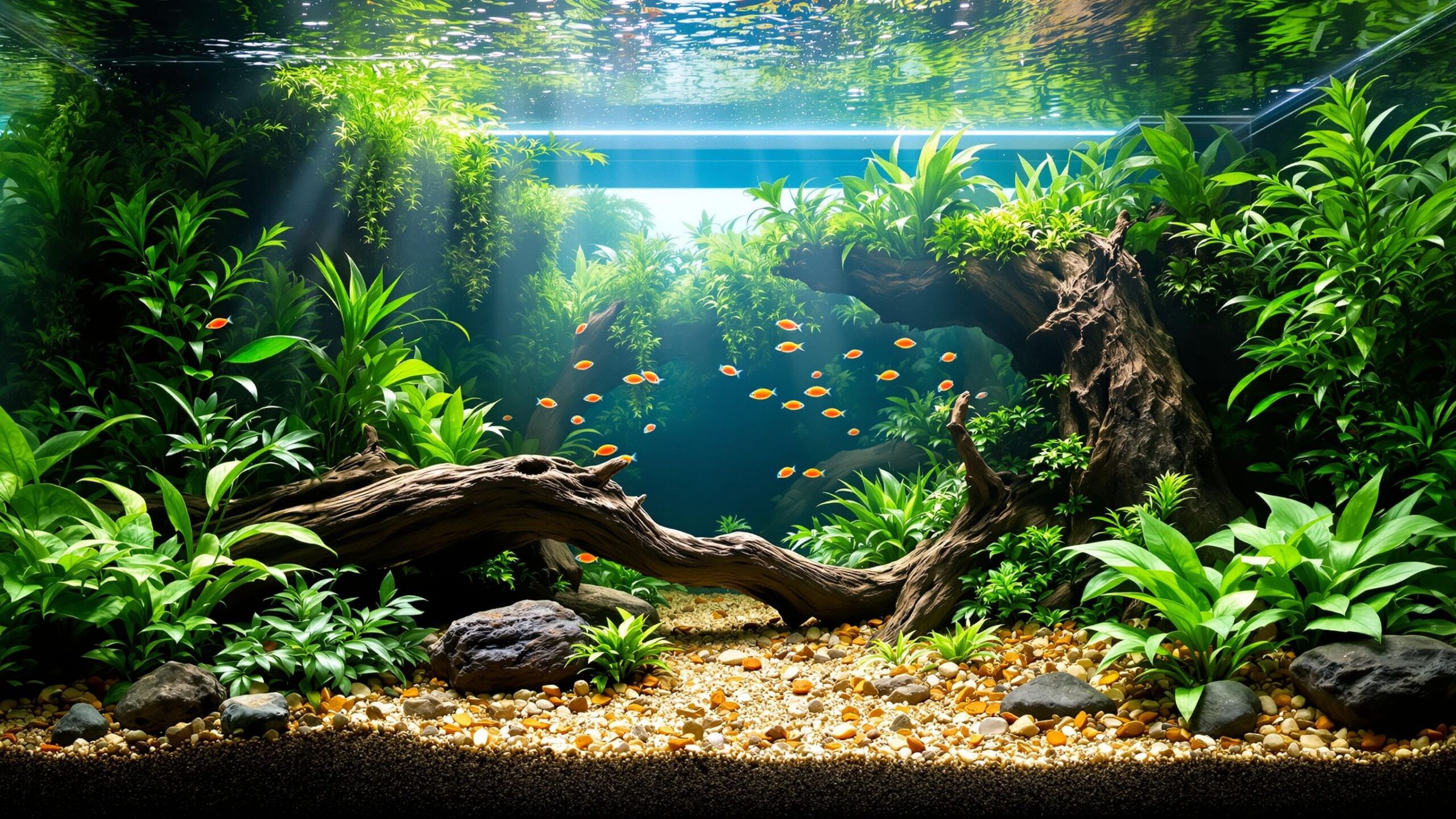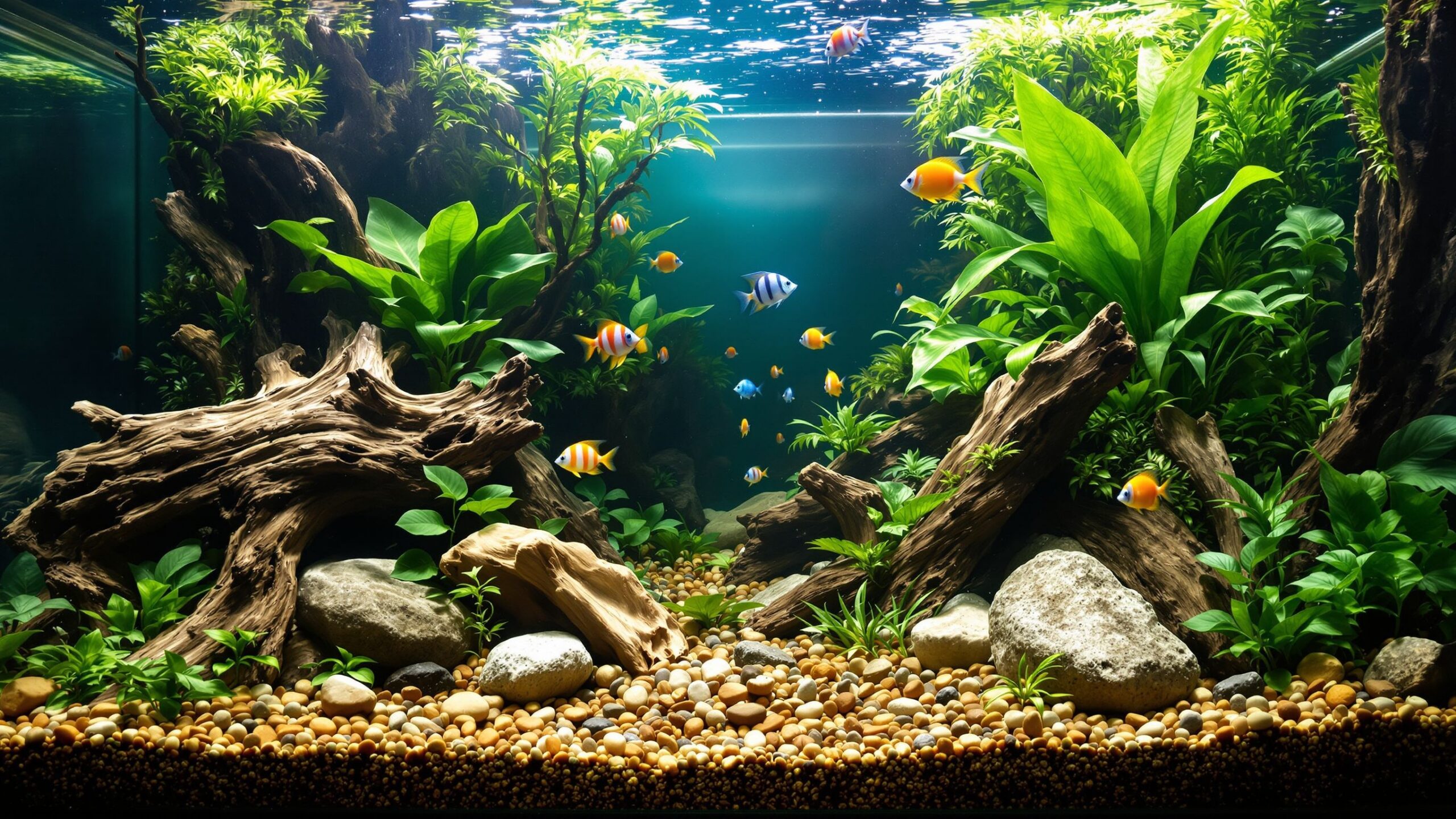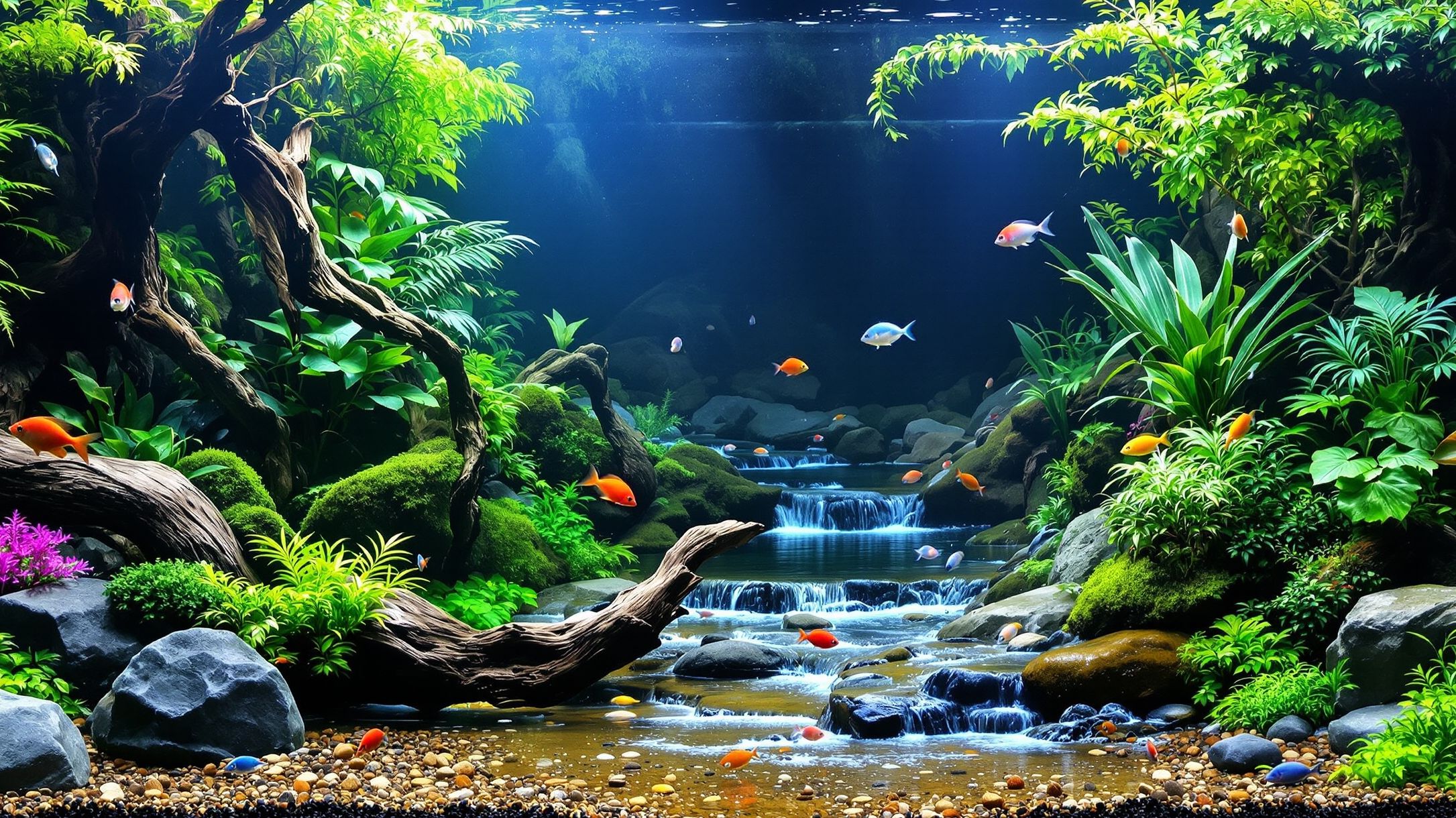
Aquarium keeping has evolved dramatically over the years. While colorful community tanks and heavily planted aquascapes remain popular, one style of aquarium has captured the attention of hobbyists who want to bring a true piece of nature into their homes: the biotope aquarium. Unlike traditional aquariums that combine fish, plants, and decorations from various regions of the world, biotope aquariums recreate a specific natural habitat as accurately as possible. The appeal of a biotope aquarium lies in its authenticity. Every element is carefully selected to represent a real ecosystem. The water chemistry, substrate, hardscape materials, plants, and fish all work together to mimic a location found somewhere on Earth. The result is an aquarium that feels less like a decoration and more like a living window into nature. Whether you are a beginner searching for inspiration or an experienced aquarist looking for your next challenge, these biotope aquarium ideas offer some of the most beautiful and realistic setups available in the fishkeeping hobby.
A: Amazon blackwater and Southeast Asian stream setups are often beginner-friendly.
A: Only if plants naturally occur in the habitat being recreated.
A: Amazon and African cichlid habitats often showcase vibrant species.
A: You can, but it will no longer be a true biotope aquarium.
A: It creates shelter, tannins, and a more natural environment.
A: No, but they require stable water conditions and regular monitoring.
A: Any size can work, though larger tanks allow more detailed habitat recreation.
A: Yes, if they naturally belong to the habitat being replicated.
A: Accurate décor, fish selection, water conditions, and natural layout choices.
A: They showcase nature while encouraging natural fish behavior and habitat education.
Amazon Blackwater Stream Biotope
Few biotope aquariums are as iconic as the Amazon blackwater stream. Found throughout parts of South America, these waterways are characterized by soft, acidic water stained dark brown by tannins released from fallen leaves and decomposing wood.
An Amazon blackwater aquarium creates a mysterious and natural appearance. Fine sand covers the bottom while driftwood branches weave throughout the tank. Leaf litter scattered across the substrate replicates the forest floor that often extends into the water during seasonal flooding.
Fish commonly associated with this environment include cardinal tetras, neon tetras, pencilfish, hatchetfish, corydoras catfish, and discus. The subdued lighting and amber-colored water create a tranquil atmosphere that closely resembles the rivers and streams flowing beneath the Amazon rainforest canopy.
This style is especially attractive because it combines stunning fish colors with a highly natural aesthetic that feels both wild and peaceful.
Amazon Flooded Forest Biotope
The flooded forests of the Amazon Basin provide one of the most breathtaking natural aquarium concepts imaginable. During seasonal floods, massive areas of rainforest become submerged, creating underwater forests filled with roots, branches, and wildlife.
A flooded forest biotope focuses heavily on driftwood structures that imitate tree roots extending into the water. The layout often features open swimming spaces combined with intricate root systems where fish can seek shelter.
Species such as angelfish, discus, silver hatchetfish, and various tetras thrive in this type of setup. The result is an aquarium that appears almost magical, with fish weaving through submerged forests exactly as they do in nature.
For aquarists who enjoy creating dramatic underwater landscapes, the flooded forest biotope offers endless possibilities.
African Lake Malawi Rocky Shoreline
The rocky coastlines of Lake Malawi provide one of the most visually striking freshwater biotopes in the world. Unlike heavily planted tropical aquariums, this habitat focuses on rocks and open water.
Large stone formations create caves, crevices, and territories for colorful cichlids. The water remains crystal clear and highly oxygenated, allowing fish colors to stand out brilliantly against the neutral rock background.
Lake Malawi cichlids are famous for their electric blues, yellows, oranges, and reds. Their active behavior and territorial interactions create a constantly changing display that keeps viewers fascinated.
This biotope is ideal for fishkeepers who want vibrant colors while maintaining a realistic and geographically accurate habitat.
Lake Tanganyika Cliff Habitat
Lake Tanganyika offers a different take on the African cichlid aquarium. The lake is one of the oldest and deepest freshwater bodies in the world and contains species found nowhere else.
A Tanganyika cliff biotope typically features towering rock formations that mimic underwater cliff faces. The layout often includes shell beds, rocky ledges, and sandy areas to accommodate the diverse range of fish behaviors found in the lake.
Species such as frontosas, shell dwellers, and Julidochromis cichlids showcase fascinating social interactions and breeding habits. Their natural behaviors become especially apparent when housed in authentic surroundings.
The rugged beauty of this habitat makes it one of the most dramatic biotope styles available.
Southeast Asian Jungle Stream
Southeast Asian streams wind through dense tropical forests where roots, fallen branches, and leaf litter shape the underwater landscape. These shaded waterways create a peaceful and highly natural aquarium environment.
A jungle stream biotope often includes driftwood tangles, dark substrates, and subdued lighting. The goal is to capture the appearance of a quiet forest creek hidden beneath a dense canopy.
Fish such as rasboras, gouramis, bettas, kuhli loaches, and freshwater shrimp fit perfectly within this setting. The combination of graceful fish and natural wood structures creates a serene display that feels both calming and realistic.
This is one of the most accessible biotope styles for beginners because many of the required fish and materials are readily available.
Borneo Peat Swamp Biotope
The peat swamps of Borneo are among the most unique freshwater ecosystems on the planet. Their dark waters contain high levels of organic material, creating conditions unlike almost any other aquatic habitat.
A Borneo peat swamp aquarium features extremely dark water, abundant driftwood, and minimal plant growth. The atmosphere is mysterious and otherworldly.
Species such as chocolate gouramis, licorice gouramis, and certain rasboras thrive in these specialized environments. The challenge of maintaining authentic conditions appeals to experienced hobbyists seeking something truly distinctive.
Despite its simplicity, the visual impact of a well-designed peat swamp biotope is remarkable.
North American Woodland Creek
Biotope aquariums do not have to focus on tropical habitats. North American woodland creeks provide stunning inspiration for aquarists interested in recreating local ecosystems.
These streams often feature gravel bottoms, fallen branches, scattered rocks, and moderate water flow. Seasonal leaves and natural debris create a realistic environment that changes throughout the year.
Native species such as darters, shiners, and minnows bring authenticity to the setup. Many of these fish display surprisingly vibrant colors and fascinating behaviors when maintained in appropriate habitats.
A woodland creek biotope allows hobbyists to explore the beauty of ecosystems that may exist close to home.
South American Riverbank Biotope
Not every Amazon-inspired aquarium needs dark water and dense forests. Many South American rivers feature open sandy banks with scattered driftwood and aquatic vegetation.
This style creates a bright and spacious appearance. Large schools of tetras and peaceful bottom-dwelling fish move across open areas while patches of plants add natural texture.
The simplicity of the layout highlights fish behavior and creates an elegant, nature-inspired display. It is an excellent option for hobbyists who appreciate open aquascapes without sacrificing authenticity.
Central American River Habitat
Central America contains diverse freshwater environments ranging from rocky streams to slow-moving rivers. These habitats support a variety of cichlids, livebearers, and catfish.
A Central American river biotope often combines smooth stones, sandy substrates, and driftwood. Moderate water flow replicates natural river currents while allowing fish to exhibit their normal behaviors.
Species such as swordtails, mollies, and native cichlids thrive in these environments. The result is a lively and dynamic aquarium that balances realism with visual appeal.
Australian Outback Waterhole
Australia’s freshwater habitats offer a unique alternative to more common tropical biotopes. Temporary waterholes, rivers, and billabongs support fascinating fish species adapted to challenging environmental conditions.
An Australian waterhole biotope typically features sandy substrates, weathered wood, and sparse vegetation. Rainbowfish often become the centerpiece of these aquariums, displaying incredible colors under proper lighting.
The open layout creates a distinctly different appearance compared to densely planted tropical tanks, making it an appealing choice for aquarists seeking something unusual.
Mangrove Estuary Biotope
Mangrove ecosystems occupy the transition zone between land and sea. Their tangled root systems create nurseries for countless aquatic species and provide some of the most visually dramatic habitats on Earth.
A mangrove biotope can be freshwater, brackish, or marine depending on the specific ecosystem being recreated. Exposed roots dominate the layout while fish move through intricate underwater structures.
The combination of roots, shifting light patterns, and active fish creates an aquarium that feels incredibly lifelike. Few habitats capture the complexity of nature as effectively as a mangrove estuary.
Fast-Flowing Mountain Stream
Mountain streams provide another exciting biotope concept. These habitats feature crystal-clear water, rocky bottoms, and strong currents.
Rounded stones and boulders dominate the landscape while specialized fish species navigate the rushing water. Loaches, hillstream fish, and certain minnows are commonly associated with these environments.
The movement of water itself becomes a major visual feature, creating a dynamic display that feels alive and energetic.
Creating Realism Through Natural Materials
The secret to a convincing biotope aquarium often lies in the details. Natural materials play a critical role in creating authenticity.
Driftwood, branches, leaf litter, sand, gravel, and rocks should closely resemble those found in the chosen habitat. Many successful biotope aquarists spend considerable time studying photographs of wild ecosystems before selecting materials.
Even small details such as the color of the substrate or the arrangement of fallen leaves can dramatically improve realism. These subtle touches transform an aquarium from a decorative display into a believable slice of nature.
Choosing Fish That Match the Habitat
One of the defining characteristics of a true biotope aquarium is geographic accuracy. Fish should originate from the same ecosystem or region whenever possible.
This approach not only improves realism but also benefits the fish themselves. Species that naturally coexist often share similar water requirements and behavioral patterns, making them easier to maintain together.
Watching fish interact within a habitat that mirrors their natural environment provides one of the most rewarding experiences in the aquarium hobby.
Why Biotope Aquariums Continue to Grow in Popularity
Biotope aquariums represent the perfect blend of science, art, and nature. They challenge aquarists to research real ecosystems while creating stunning displays that celebrate biodiversity.
Unlike purely decorative aquariums, biotopes tell a story. Each tank reflects a specific place on Earth and offers a glimpse into the lives of fish as they exist in the wild. This educational and immersive quality continues to attract hobbyists who want more than just a beautiful aquarium.
As interest in natural aquascaping and conservation grows, biotope aquariums are becoming one of the most respected and rewarding forms of fishkeeping.
Conclusion
The best biotope aquarium ideas are those that faithfully recreate the beauty and complexity of real aquatic habitats. From Amazon blackwater streams and flooded forests to African lake shorelines, Southeast Asian jungle creeks, and North American woodland streams, there are countless ecosystems waiting to be explored.
Each biotope offers its own unique appearance, challenges, and rewards. Whether your goal is to showcase vibrant fish, study natural behavior, or simply bring a piece of the wild into your home, a biotope aquarium provides an unforgettable experience. By carefully selecting authentic materials, matching fish species to their natural habitats, and focusing on ecological accuracy, you can create an aquarium that truly looks and feels like nature itself.