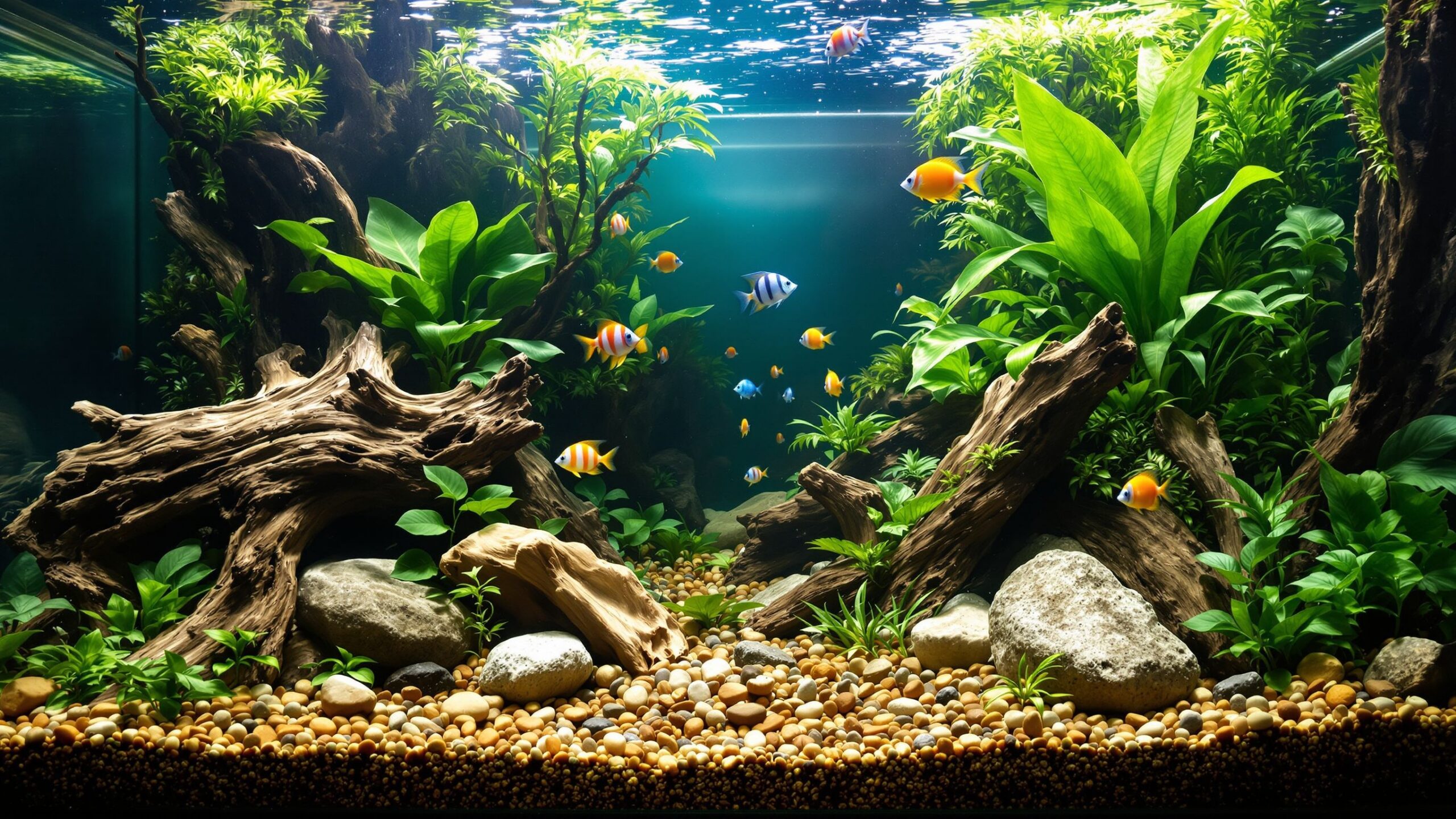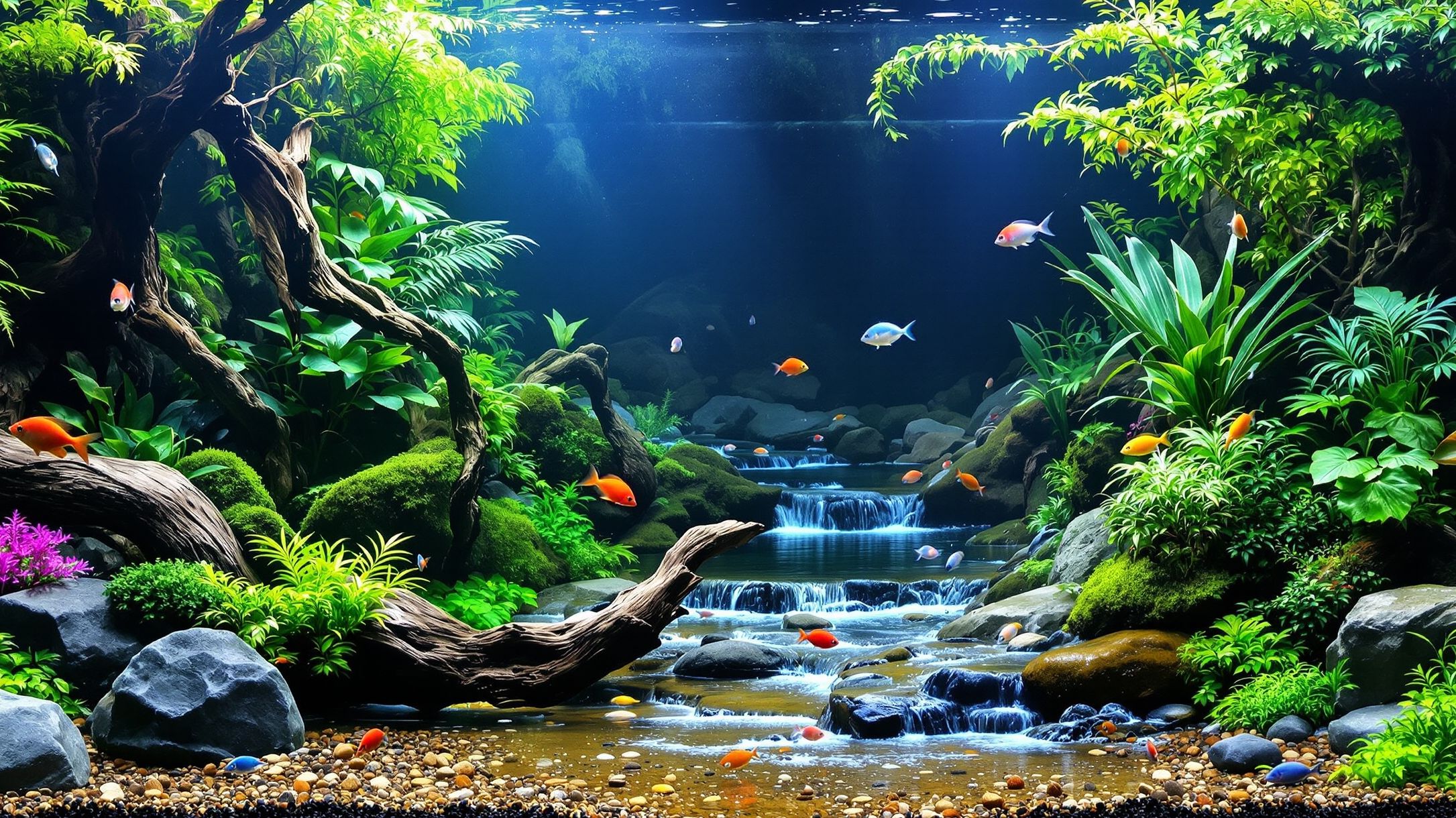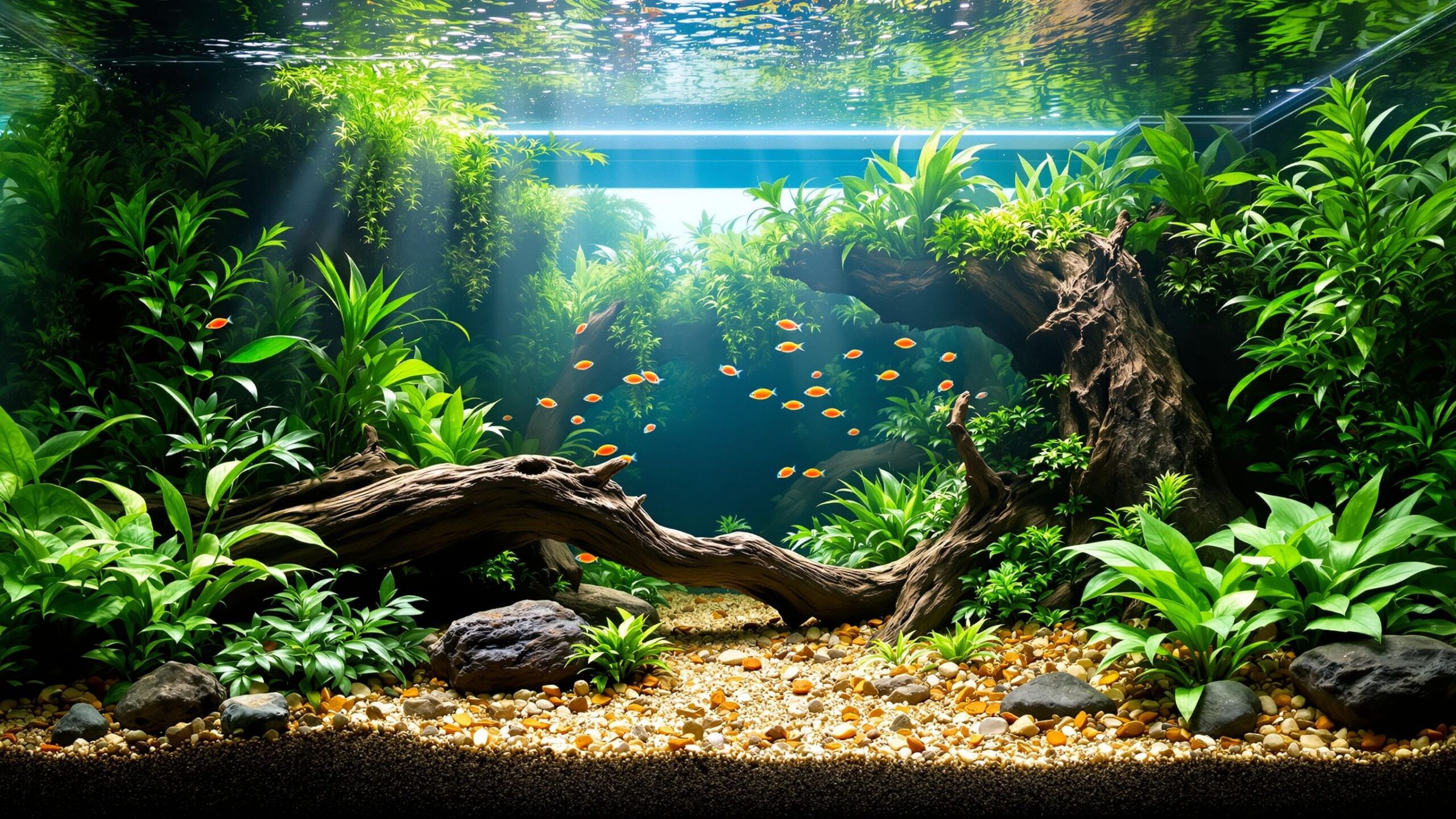
A biotope aquarium is one of the most fascinating and rewarding styles of fishkeeping. Unlike traditional aquariums that mix fish, plants, rocks, and decorations from various parts of the world, a biotope aquarium aims to recreate a specific natural habitat as accurately as possible. It is a living snapshot of nature, carefully designed to reflect the environmental conditions, plant life, fish species, and even the appearance of a real ecosystem found somewhere on Earth. For many aquarium enthusiasts, creating a biotope aquarium is more than just decorating a fish tank. It is a way to study nature, appreciate biodiversity, and observe aquatic animals behaving much as they would in the wild. Whether recreating a slow-moving Amazon rainforest stream, an African rift lake shoreline, or a Southeast Asian peat swamp, biotope aquariums offer a unique blend of science, art, and conservation. As interest in natural aquascaping and species-focused fishkeeping continues to grow, biotope aquariums have become increasingly popular among beginners and experienced hobbyists alike. Understanding what makes a biotope aquarium different can help aquarists create healthier environments for their fish while enjoying a deeper connection to the natural world.
A: It is an aquarium designed to recreate a specific natural aquatic habitat using matching fish, plants, décor, and water conditions.
A: Yes, if the beginner chooses a simple habitat, researches the species, and keeps water conditions stable.
A: Not always. Many hobbyists aim for a realistic-inspired setup rather than a strict scientific recreation.
A: For a true biotope, it is better to keep fish from the same habitat or region, not random locations.
A: Only if the natural habitat includes them. Some biotopes are mostly sand, rocks, wood, or leaf litter.
A: Brown water usually comes from tannins released by leaves, driftwood, and botanicals.
A: It depends on the fish, but larger tanks are easier to keep stable and allow more natural behavior.
A: They are not always harder, but they do require more planning, research, and careful stocking.
A: Yes, if they naturally belong in the habitat being recreated and match the tank conditions.
A: Choosing fish and décor for looks only instead of matching the real habitat and the animals’ needs.
Understanding the Meaning of a Biotope Aquarium
The word “biotope” comes from Greek roots meaning “place of life.” In ecology, a biotope refers to an area with uniform environmental conditions that supports a specific community of plants and animals. Rivers, ponds, wetlands, mangrove forests, and lake shores can all be considered biotopes because they provide distinct habitats with unique characteristics.
A biotope aquarium seeks to replicate one of these natural habitats inside a glass tank. Every aspect of the aquarium is selected to match the chosen ecosystem. This includes water chemistry, substrate, lighting, plants, wood, rocks, and fish species.
For example, if an aquarist wants to recreate a section of the Amazon River, they may use soft acidic water, fine sand, leaf litter, driftwood, and fish species native to that region. The goal is not simply to create an attractive aquarium but to recreate a realistic environmental scene that reflects nature as closely as possible.
The Difference Between a Community Aquarium and a Biotope Aquarium
Many standard community aquariums contain fish from different continents living together in a single tank. It is common to see South American tetras swimming alongside Asian gouramis and African cichlids. While such setups can be beautiful, they do not represent a real natural environment.
A biotope aquarium follows a different philosophy. Fish and plants are chosen because they naturally coexist in the wild. Decorations are selected to resemble those found within the actual habitat being recreated.
This focus on authenticity often results in aquariums that appear more natural and cohesive. Fish may display more natural behaviors because they are living in surroundings that resemble their native environment. Breeding activity, feeding habits, and social interactions can become more pronounced when fish feel comfortable in familiar conditions.
Why Biotope Aquariums Have Become So Popular
The growing popularity of biotope aquariums stems from several factors. Many aquarists appreciate the educational value of recreating real ecosystems. Building a biotope requires research into geography, ecology, and aquatic biology, making it an engaging learning experience.
Natural-looking aquariums have also become increasingly popular due to advances in aquascaping. Hobbyists are drawn to tanks that resemble slices of wilderness rather than artificial displays filled with colorful ornaments.
Social media and international aquascaping competitions have further fueled interest in biotope aquariums. Enthusiasts from around the world share detailed recreations of rivers, lakes, and wetlands, inspiring others to create their own ecological masterpieces.
Additionally, many fish species thrive when maintained in conditions similar to those found in nature. This often leads to healthier fish, improved coloration, reduced stress, and more natural behaviors.
The Essential Components of a Biotope Aquarium
Every successful biotope aquarium relies on several key elements working together to create an authentic environment.
Water conditions are among the most important factors. Different habitats have unique water chemistry. Some environments contain soft, acidic water, while others feature hard, alkaline conditions. Matching these parameters helps fish remain healthy and comfortable.
The substrate plays a major role in replicating natural habitats. River systems may contain sand, gravel, or mud, while tropical streams often accumulate fallen leaves and organic debris. Choosing the correct substrate contributes both to realism and biological function.
Hardscape materials such as rocks, roots, driftwood, and branches help recreate the physical structure of the habitat. In many ecosystems, these features provide shelter, spawning sites, and feeding areas.
Aquatic plants are selected based on their natural distribution. Some biotopes contain dense plant growth, while others have very few aquatic plants at all. Understanding the native vegetation helps create a more authentic environment.
Finally, fish and invertebrates are chosen according to their geographic origin. The most accurate biotope aquariums feature species that naturally occur together in the same region.
Choosing a Biotope Theme
One of the most exciting parts of creating a biotope aquarium is selecting a habitat to replicate. The world contains countless aquatic environments, each offering unique challenges and visual appeal.
Amazon rainforest streams are among the most popular choices. These habitats often feature tea-colored water, driftwood, leaf litter, and schools of colorful fish such as tetras and pencilfish.
African rift lakes offer a completely different experience. These habitats feature rocky shorelines, clear water, and vibrant cichlid species known for their remarkable colors and behaviors.
Southeast Asian forest streams provide opportunities to keep gouramis, rasboras, and loaches among roots, leaves, and subdued lighting conditions.
North American creek biotopes allow hobbyists to recreate local ecosystems using native fish species and realistic stream features.
Australian river systems, Central American waterways, and European wetlands all provide additional inspiration for unique biotope projects.
Amazon Biotope Aquariums
Among all freshwater biotope styles, Amazon-themed aquariums remain some of the most popular.
The Amazon Basin covers millions of square miles and supports extraordinary biodiversity. Many aquarium fish originate from this region, including angelfish, cardinal tetras, neon tetras, discus, corydoras catfish, and plecos.
An Amazon biotope typically includes fine sand, driftwood, leaf litter, and subdued lighting. The water is often soft and acidic, with a slight amber tint created by tannins released from leaves and wood.
The result is a peaceful and natural-looking aquarium that closely resembles the flooded forests and slow-moving streams of South America.
African Rift Lake Biotopes
The African Great Lakes contain some of the most spectacular freshwater fish on Earth. Lakes Malawi, Tanganyika, and Victoria are famous for their incredible diversity of cichlids.
Biotope aquariums based on these lakes usually feature rocky landscapes with minimal plant growth. Water conditions are typically hard and alkaline, reflecting the chemistry found in the lakes.
The fish themselves become the stars of the display. Many cichlids exhibit brilliant colors, fascinating social structures, and complex breeding behaviors.
These aquariums often appear dramatically different from tropical planted tanks, demonstrating the incredible variety of aquatic habitats found around the world.
Southeast Asian Stream Biotopes
Southeast Asia contains a wide range of freshwater ecosystems that make excellent biotope subjects.
Many forest streams feature dark water stained by decaying leaves and organic matter. Dense vegetation surrounds these waterways, limiting sunlight and creating shaded environments.
Fish commonly associated with these habitats include rasboras, gouramis, bettas, kuhli loaches, and various freshwater shrimp species.
Aquariums replicating these ecosystems often use driftwood, roots, leaf litter, and gentle water flow to capture the appearance of tropical jungle streams.
The Importance of Authentic Research
Research is one of the defining characteristics of biotope aquarium creation. Successful projects are built on a solid understanding of the chosen habitat.
Aquarists often study photographs, scientific reports, field observations, and geographical information before beginning a project. This research helps determine water chemistry, substrate composition, plant species, and animal populations.
Some enthusiasts even recreate seasonal conditions, adjusting water levels and environmental factors to mimic natural changes throughout the year.
The research process transforms biotope aquariums into educational tools that promote appreciation for ecosystems around the world.
Benefits for Fish Health and Behavior
One of the greatest advantages of biotope aquariums is the positive impact they can have on fish welfare.
Fish evolved within specific environmental conditions. When those conditions are replicated in captivity, fish often experience reduced stress and improved health.
Natural shelter, appropriate water chemistry, familiar surroundings, and compatible tankmates help create a more comfortable environment.
Many species display behaviors that are rarely observed in standard community aquariums. Courtship rituals, territorial displays, schooling patterns, and breeding activities may become more evident when fish feel secure in their surroundings.
For aquarists interested in observing authentic animal behavior, biotope aquariums offer exceptional opportunities.
Biotope Aquariums and Conservation Awareness
Biotope aquariums can also serve as powerful conservation tools. By recreating endangered habitats, aquarists gain a deeper understanding of environmental challenges facing aquatic ecosystems.
Many rivers, lakes, and wetlands are threatened by pollution, habitat destruction, climate change, and invasive species. Maintaining a biotope aquarium encourages awareness of these issues.
Some hobbyists become involved in conservation efforts, captive breeding programs, and educational outreach after developing an appreciation for specific habitats.
The aquarium becomes more than a display. It becomes a reminder of the fragile ecosystems that exist beyond the glass.
Common Challenges When Creating a Biotope Aquarium
Despite their appeal, biotope aquariums can present challenges.
Finding accurate information may require extensive research. Some habitats are poorly documented, making it difficult to determine exact environmental conditions.
Obtaining authentic plants and fish species can also be challenging. Certain species may be unavailable in local aquarium stores, requiring special orders from specialized breeders.
Maintaining precise water parameters may involve additional equipment or treatment methods.
Aquarists must also balance authenticity with practicality. Sometimes compromises are necessary because certain materials or species are unavailable.
However, many enthusiasts find that overcoming these challenges is part of the rewarding nature of the hobby.
How to Start Your First Biotope Aquarium
Beginners interested in biotope aquariums should start with a habitat that has abundant information available. Amazon and Southeast Asian stream biotopes are excellent choices because many fish and plants from these regions are readily available.
The first step is selecting a specific ecosystem rather than an entire continent. Focusing on a single river, stream, lake shoreline, or wetland creates a more realistic result.
Research should guide every decision, from substrate selection to fish stocking. Photographs of the natural habitat can serve as valuable references during the design process.
Patience is important. Building a convincing biotope often takes time as plants establish themselves and environmental conditions stabilize.
The result is an aquarium that tells a story and offers a glimpse into a real corner of the natural world.
The Future of Biotope Aquariums
As aquarium keeping continues to evolve, biotope aquariums are likely to become even more popular. Advances in online research, photography, and habitat documentation have made it easier than ever for hobbyists to study ecosystems around the globe.
Greater awareness of conservation issues has also encouraged aquarists to focus on natural habitats rather than purely decorative displays. Many enthusiasts now view fishkeeping as a way to celebrate biodiversity and promote environmental appreciation.
Biotope competitions, educational resources, and international communities continue to inspire new generations of hobbyists. These developments ensure that the biotope movement will remain an important part of the aquarium hobby for years to come.
Conclusion
A biotope aquarium is far more than a fish tank filled with water and decorations. It is a carefully crafted recreation of a real ecosystem, designed to mirror the conditions, appearance, and inhabitants of a specific natural habitat. By combining scientific research with artistic design, biotope aquariums offer a unique opportunity to explore the beauty and complexity of aquatic environments from around the world.
Whether recreating an Amazon blackwater stream, an African rift lake shoreline, or a Southeast Asian jungle creek, biotope aquariums provide an immersive experience that benefits both aquarists and aquatic life. They encourage learning, promote conservation awareness, and allow fish to thrive in environments that closely resemble their natural homes.
For anyone seeking a deeper and more meaningful connection to aquarium keeping, the biotope aquarium represents one of the most rewarding and fascinating approaches available. It transforms a simple aquarium into a living window into nature, bringing distant ecosystems to life right inside the home.