Betta fish are stunning, full of personality, and incredibly popular—but their territorial nature makes choosing safe tank mates a challenge. While bettas are known for aggression, the truth is that many will peacefully coexist with the right species if the environment is properly designed and the tank mates are carefully selected. The key is understanding betta behavior. They are surface-oriented, slow-moving predators that dislike fast, flashy, or fin-nipping fish. They thrive with peaceful, subtle tank mates that occupy different parts of the aquarium and don’t compete for territory, food, or attention. This guide highlights the safest and most reliable companions for bettas, based on behavior, tank zones, and long-term compatibility.
A: No. Some bettas will attack almost anything. If aggression persists despite scaping and space, keep them solo.
A: Aim for 10–20 gallons or more, with extra length for schooling fish and hiding spots for shy residents.
A: Sometimes. Many bettas snack on baby shrimp; dense plants, moss, and lots of cover improve survival odds.
A: Small peaceful species like corydoras, kuhli loaches, otocinclus, and tiny calm tetras or rasboras often work in roomy tanks.
A: Territorial bettas see newcomers as intruders. Try adding decor, dimming lights, and monitoring—separate if stress continues.
A: Look for constant hiding, clamped fins, frantic darting, skipped meals, or faded coloration.
A: Many keepers add community fish first and introduce the betta last or after a rescape to reduce territorial behavior.
A: No, not safely. They are typically only paired briefly for supervised breeding by experienced keepers.
A: Separate at the first sign of real harm—torn fins, relentless chasing, or tank mates pinned in corners.
A: Often snails, peaceful bottom dwellers, or no tank mates at all—your betta’s health and safety come first.
Peaceful Bottom-Dwellers That Keep to Themselves
Bottom-dwelling species are excellent betta companions because they stay out of the betta’s preferred territory near the mid and upper water columns. Corydoras catfish are among the best options. These gentle scavengers move together in cheerful little groups, keeping to the substrate and never approaching the betta’s comfort zone. Their peaceful nature and constant foraging add life to the tank without presenting a threat. Small species like pygmy or panda corydoras fit well in tanks as small as 10 gallons. Another ideal bottom-dweller is the kuhli loach. These shy, eel-like fish hide during the day and explore quietly at dusk, never bothering the betta or competing for dominance. Their unusual shape adds uniqueness to the tank while maintaining absolute peace.
Snails are also outstanding betta companions. Nerite snails, mystery snails, and ramshorn snails coexist effortlessly, cleaning algae and leftover food without attracting the betta’s aggression. Most snails have tough shells that protect them even if the betta becomes curious or nips briefly.
Shrimp: Sometimes Perfect, Sometimes Risky
Shrimp can be excellent tank mates—but only under certain conditions. Larger shrimp such as Amano shrimp are typically safe because they’re big enough to avoid becoming a quick snack. They are excellent algae eaters, always active, and help keep the tank clean. Cherry shrimp and other dwarf shrimp species can coexist with bettas, but only when the betta has a mild temperament. Otherwise, they may be hunted. Providing dense plants, mosses, and hiding areas dramatically increases shrimp survival rates. In well-planted tanks, shrimp colonies often thrive even with a betta present, as long as the betta isn’t overly predatory.
Peaceful Schooling Fish That Don’t Trigger Aggression
When selecting mid-water companions for bettas, the biggest rule is: avoid flashy fish. Species with long fins, bright colors, or shimmering bodies may provoke aggression or be mistaken as rivals. Instead, rely on small, subtle schooling fish that are peaceful, fast enough to avoid conflict, and visually understated. Harlequin rasboras are one of the best options. Their calm behavior and slim profile rarely trigger bettas, and their schooling movement adds elegance to the tank. Ember tetras are another excellent choice—tiny, warm-toned, and gentle. Their soft orange glow contrasts beautifully with a betta’s color without provoking aggression. Lambchop rasboras and chili rasboras are similarly safe, staying small and calm while occupying the mid-water zone.
Top-Dwellers to Avoid—and Why
Most upper-water fish make poor betta companions. Bettas are surface predators and claim the upper water column as their territory. Any fish that swims near the top risks being chased or attacked. Guppies, in particular, should never be housed with bettas because their flowing fins and bright colors trigger aggressive responses. Gouramis are also poor choices; as labyrinth fish themselves, they often fight with bettas over space. Fast, nippy species like tiger barbs and serpae tetras are completely unsafe—they will shred betta fins within hours.
The Role of the Environment in Betta Compatibility
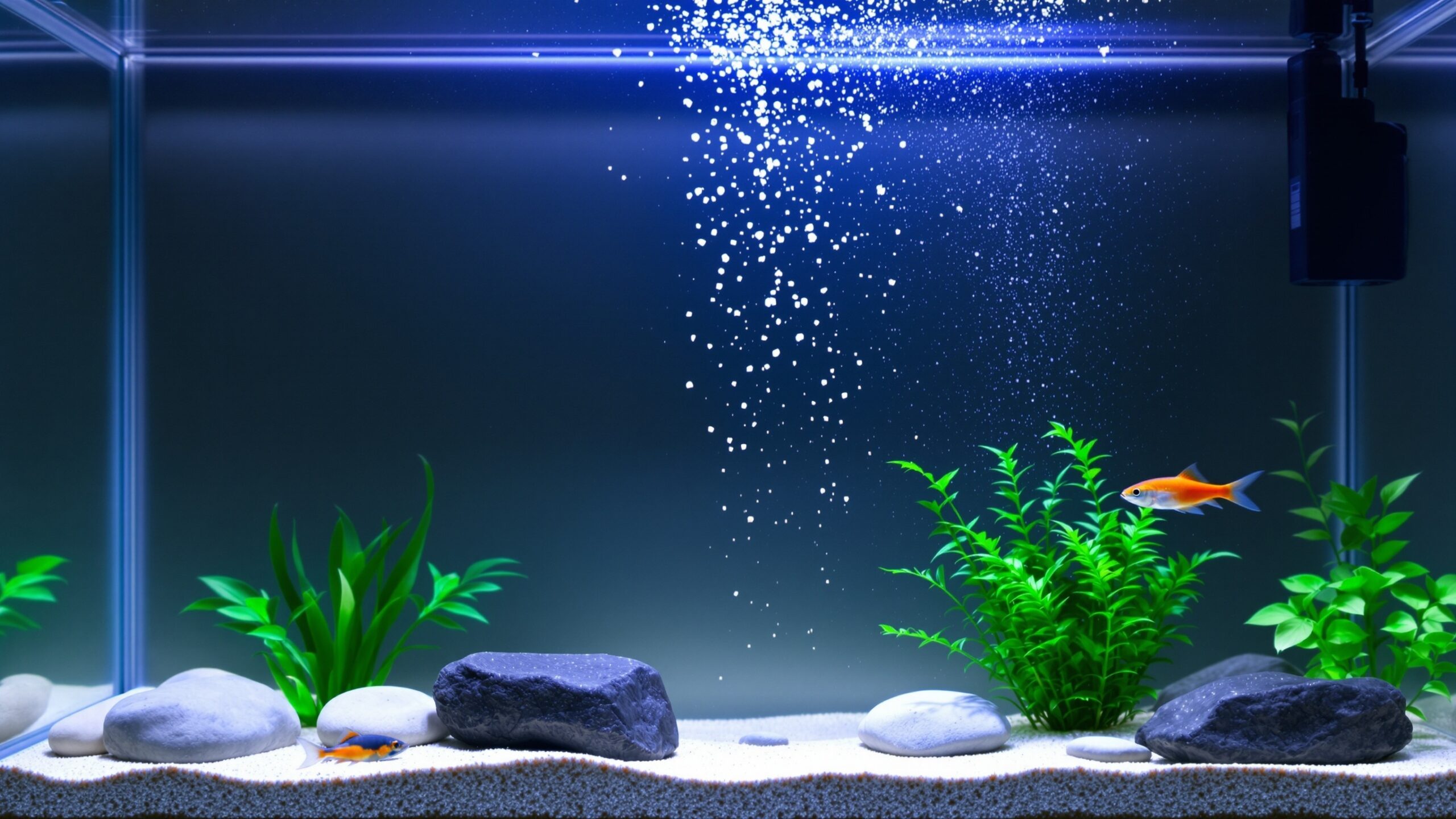
Tank design plays a massive role in determining whether tank mates survive and thrive. Dense planting—real or artificial—creates natural shelters, breaks lines of sight, and prevents constant interaction. Driftwood, caves, and rock structures offer retreats for tank mates and reduce stress levels. A tank size of at least 10 gallons is strongly recommended for betta communities, though 15–20 gallons is ideal. Balanced flow also matters. Bettas dislike strong currents, while many tank mates need oxygen-rich water. Using a gentle filter with adjustable flow or a sponge filter provides oxygenation without overwhelming the betta.
Reading Your Betta’s Temperament
Not all bettas are alike. Some are calm and curious. Others are hyper-aggressive. Before adding any tank mate, observe your betta’s behavior. Does it flare at every movement? Chase reflections? Attack your finger? These are signs that tank mates are likely unsafe. Conversely, a relaxed, exploratory betta often tolerates tank mates well. Start with bottom dwellers or snails, then introduce mid-water species while monitoring closely.
Safest Tank Mate Combinations for Betta Success
The most reliable setups pair a betta with organisms that occupy different tank zones. For example, pairing a betta with a group of corydoras and a few nerite snails creates a complete, low-conflict community. A betta with ember tetras and Amano shrimp also works beautifully in a heavily planted tank. The key is variety without competition—each species needs its own niche. With the right selection, the tank becomes a colorful yet peaceful ecosystem where the betta remains the star while still coexisting comfortably with its companions.