The best centerpiece fish fits the reef you actually keep
Best Centerpiece Fish for Reef Tanks is really a question about balance. The fish has to be beautiful enough to anchor the aquarium, calm enough to live with corals and tankmates, and practical enough to keep looking healthy after the novelty fades.
A: Choose it before the final stock list so the tank can be planned around it.
A: Yes. Length, rock placement, and open lanes matter as much as gallons.
A: Fish feed, rest, and move without repeated chasing or hiding.
A: Often not; peaceful or shy fish may need to settle before the bolder focal animal.
A: Yes. They may bully tankmates, outcompete feeders, jump, or become too large.
A: Yes. Coral growth reduces space and some fish perch, host, nip, or irritate corals.
A: Choose one main fish, then build supporting roles around it.
A: Use stable water, suitable food, compatible tankmates, and lighting that does not cause stress.
A: Many can be, but covers, temperament, sand needs, and compatibility must be checked.
A: When fish cannot feed, retreat, or swim without repeated conflict.
Start with the job, not the color
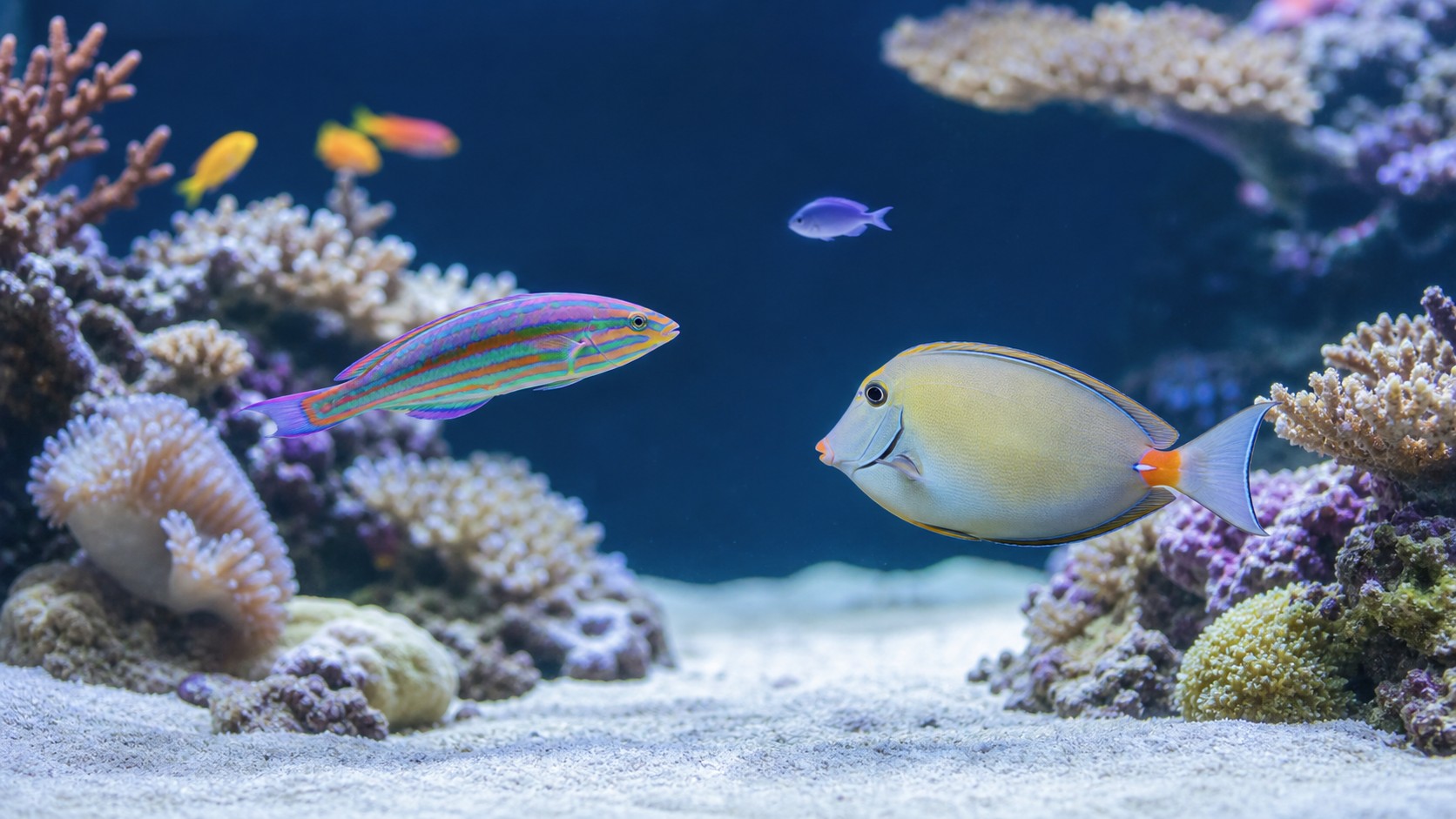
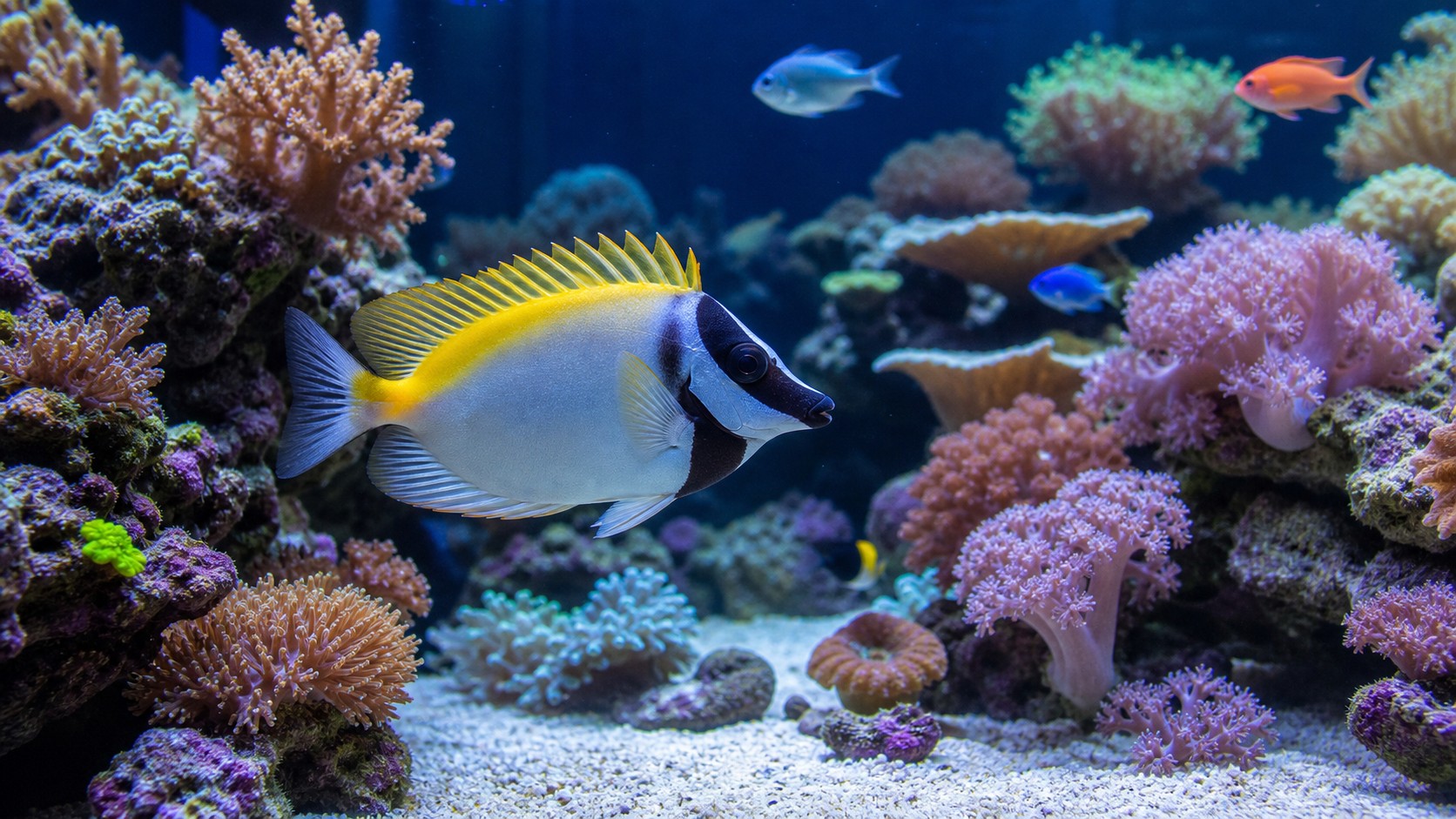
The best way to choose a centerpiece fish chosen around the actual reef tank is to decide what job the fish should perform in the display. A centerpiece is not merely the largest animal or the brightest body in the tank. It is the fish that gives the aquarium a visual rhythm, draws the eye through open water, and still allows the corals and smaller livestock to feel important.
That job changes from tank to tank. A long reef with open lanes can support a more active swimmer. A rock-heavy mixed reef may need a fish that cruises slowly and uses caves. A coral garden with delicate invertebrates demands especially careful attention to nipping risk. The title reef-safe begins the conversation, but the tank's shape and maturity finish it.
Choosing by role also prevents a common mistake: adding several fish that all compete to be the star. A reef usually looks better when one fish carries the focal weight and others add scale, contrast, and movement.
Reef-safe still needs a compatibility check
Reef-safe fish are usually selected because they are less likely to eat corals, clams, or ornamental invertebrates. That does not mean they are automatically peaceful, small enough, or easy to feed. A fish can leave corals alone while bullying tankmates or racing through food before timid species get any.
Compatibility should include adult size, swimming speed, feeding style, hiding needs, and aggression toward similar shapes. A showpiece fish often has confidence, and confidence can become pressure in a tank that lacks space. The more important the fish is visually, the more carefully its behavior should be checked.
Adult size changes everything
Many showpiece fish are sold before they reach their full presence. Juveniles can look manageable, charming, and peaceful, but adult fish need adult space. A reef tank should be planned around the animal's mature body and mature behavior, not the size that made it tempting at the store.
Adult size affects more than swimming room. It changes feeding demand, waste output, territorial reach, and the way smaller fish respond. A fish that becomes the focal point should look relaxed in the aquarium, not like it is constantly turning around because the tank is too short.
The best showpieces make the whole reef look better
A strong focal fish improves the scene around it. It moves through open spaces, gives smaller fish a sense of scale, and draws attention back to corals rather than hiding them. The fish should feel integrated with the reef, not pasted on top of it.
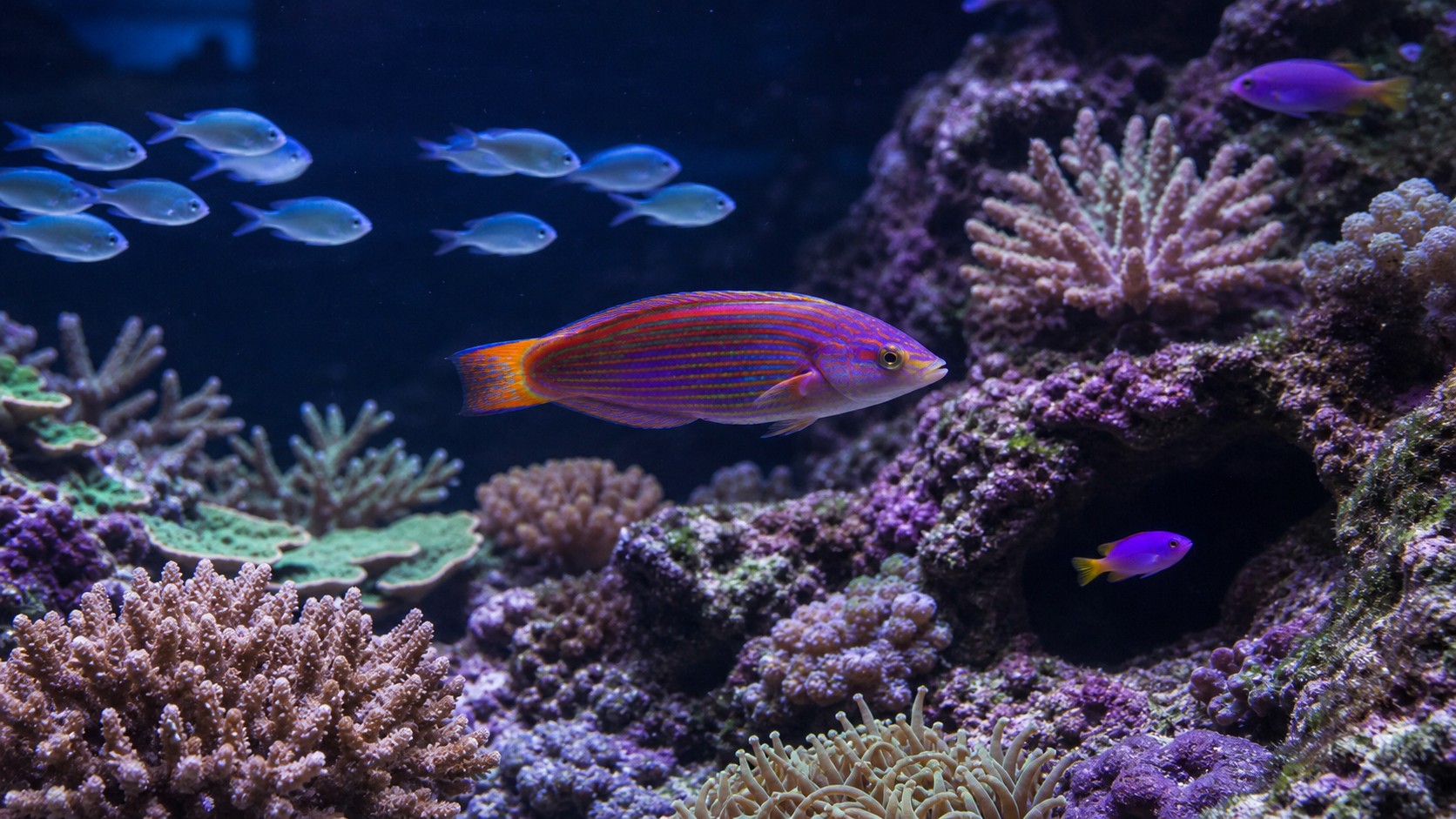
This is why supporting fish matter. Small chromis-like fish, basslets, gobies, clownfish, or peaceful wrasses can make a centerpiece look more natural by occupying different zones. The goal is not to create a crowded parade. It is to build a reef where the main fish has room to be noticed.
Color should be supported by care
Bright or beautiful reef-safe fish do not stay impressive by accident. Stable water, suitable diet, low stress, and appropriate social structure all influence how a fish looks. A bullied fish may fade or hide. An underfed grazer may lose condition. A jumper in an uncovered tank may not remain in the display at all.
Food should match the species. Grazers need plant matter and surfaces to browse. Planktivores often benefit from smaller meals. Wrasses and other active hunters need enough nutrition without overwhelming water quality. Color is a husbandry result as much as a genetic trait.
Lighting matters too, but it should not be used to fake health. Extremely blue light can make some colors pop while hiding poor condition or washed-out tones. A beautiful reef-safe fish should look good because it is thriving.
Aquascape around behavior
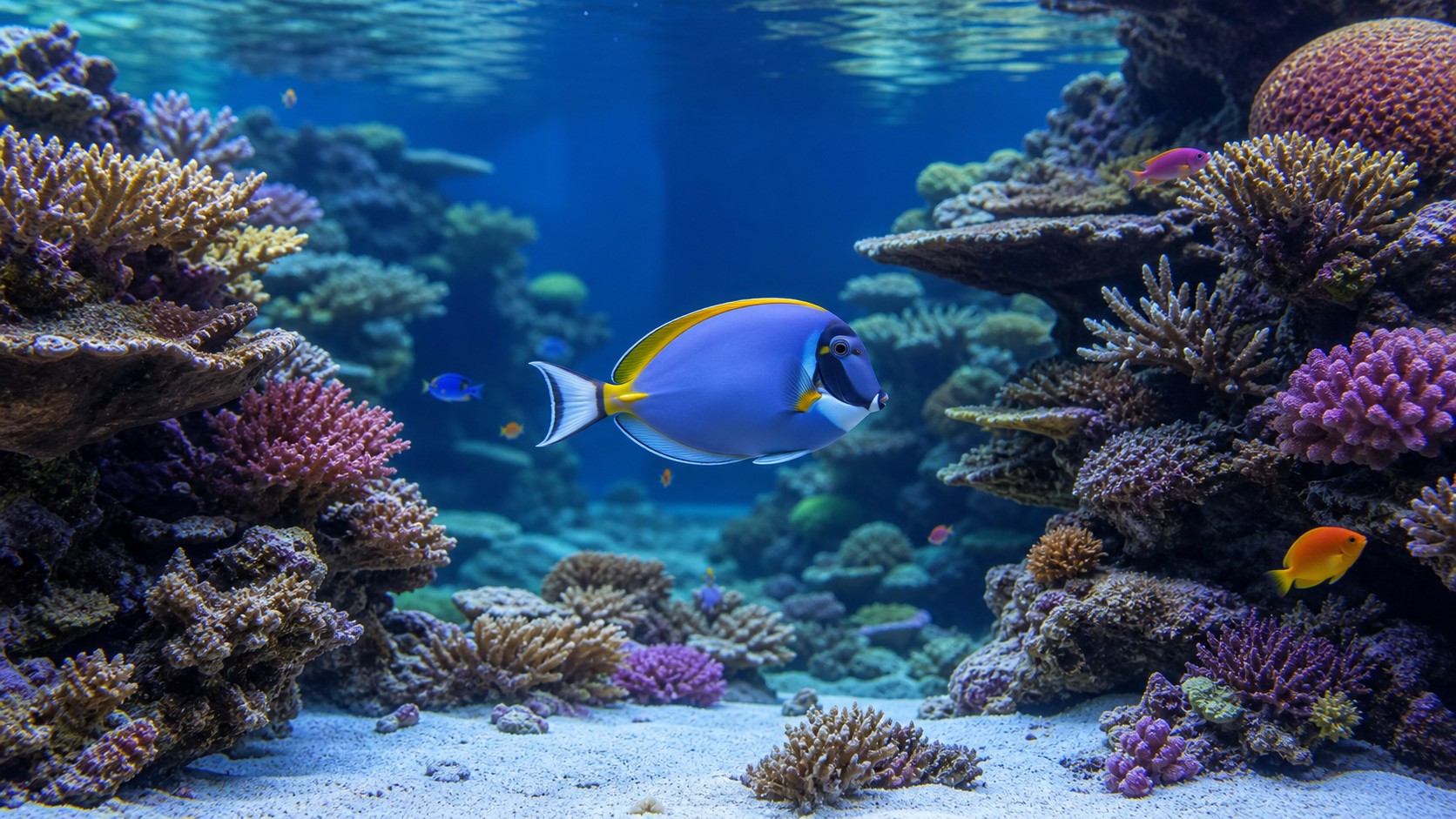
Rockwork is part of the compatibility plan. A centerpiece fish needs routes, not just decoration. Open lanes let active swimmers cross the tank naturally. Caves and shaded areas let fish disengage. Coral placement affects whether a fish can move without brushing delicate tissue or stirring sand into corals.
The aquascape should also protect the supporting cast. Smaller fish need bolt-holes that the larger focal fish cannot dominate. If every cave is part of the centerpiece fish's route, shy animals may stay hidden or lose feeding opportunities.
Add the focal fish at the right moment
The order of addition can shape the whole reef. In many tanks, timid fish should settle before a bold showpiece arrives. In other cases, the centerpiece may need to be introduced before a similar or more aggressive species claims the best route. There is no universal order, but there should always be a reason.
After the showpiece is added, pause. Watch feeding, sleeping, chasing, and coral behavior for several weeks. A successful addition should make the tank feel more complete, not more tense. If the reef becomes busier but less calm, the stocking plan may need to stop there.
What to avoid when choosing a showpiece
Avoid fish that are only temporarily appropriate. A species that will need a larger tank later is not a long-term centerpiece; it is a future problem. Avoid fish with uncertain coral behavior if the reef is built around prized fleshy corals, clams, or delicate invertebrates. Avoid animals that require foods or feeding frequency the keeper cannot maintain.
It is also wise to avoid doubling up on the same role. Two bold, similarly shaped fish may turn the display into a contest. Two heavy grazers may compete for food. Several bright fish can make the tank look less composed if none has visual breathing room.
A practical final decision
Before choosing Best Centerpiece Fish for Reef Tanks, imagine the aquarium one year from now. The corals are larger, the fish are mature, and the easy empty spaces have disappeared. If the showpiece still has room to swim, still leaves corals alone, still feeds without bullying, and still makes the whole reef look better, it is a stronger candidate.
That long view is what separates a true showpiece from an impulse purchase. The right fish does not simply impress on arrival. It becomes part of the reef's identity and keeps looking appropriate as the system grows around it.
How to compare similar showpiece candidates
When several candidates seem equally attractive, compare the practical differences instead of trying to rank beauty. One fish may be brighter, another calmer, and another better at using the open water. The best choice is the one whose strengths match the aquarium's weak points. A reef that already has many small colorful fish may need one slower, larger presence. A reef with heavy coral structure may need a fish that can move confidently without bulldozing through the layout.
It also helps to compare what each fish asks from the keeper. Some need a covered tank, some need algae-based food every day, some need sand, and some need extra caution with shrimp, clams, or fleshy corals. A fish that is slightly less dramatic but much easier to support may become the better long-term showpiece.
Do not ignore personality. A fish that cruises calmly in the open can make the whole tank feel composed. A fish that spends the day sparring or hiding may technically be beautiful but function poorly as the display anchor.
How supporting livestock changes the result
A showpiece fish rarely succeeds alone. The surrounding livestock determines whether it looks confident or crowded. Small schooling fish can draw attention to open water without challenging the focal animal. Gobies and basslets can add interest near the rockwork. Clownfish can provide a separate point of personality if their territory is not placed directly in the showpiece's main route.
Corals are part of that support system too. Branching corals, soft coral movement, and lower-growing colonies all create visual contrast. The showpiece should pass through those forms without knocking them, shading them, or making maintenance harder. If the fish and corals fight for the same visual space, both look worse.
The most polished reef displays often look simple at first glance. Their strength comes from spacing, repetition, and restraint. The focal fish feels important because the rest of the aquarium gives it room to matter.
Maintenance habits that protect the focal fish
A showpiece fish is often the animal visitors notice first, so its condition tells the story of the whole tank. Clear eyes, full body shape, intact fins, steady breathing, and confident feeding are more persuasive than rare color alone. Those signs depend on routine maintenance more than on any single purchase decision.
Stable salinity, careful feeding, regular observation, and clean equipment all support the focal animal. So does resisting the urge to add another bold fish whenever the tank looks successful. Many reef displays decline not because the first showpiece was wrong, but because the second and third showpiece removed the margin that made the first one work.
Treat the centerpiece as a long-term resident rather than a decorative upgrade. Its health, confidence, and daily route should remain central to future decisions.
A final checklist before buying
Before making the final choice, check the fish against five practical questions. Will it fit the tank as an adult? Will it eat the foods you can provide consistently? Will it leave corals and ornamental invertebrates alone enough for your reef style? Will it coexist with the fish already present? Will it still look comfortable when the aquascape is mature and coral growth has reduced open space?
If any answer depends on luck, the fish is not the right showpiece yet. There may be a better species, a better time to add it, or a better aquascape plan. Waiting is not wasted effort. It gives the reef more stability and gives the keeper more information.
The best showpiece fish should feel inevitable once it is added. It should make the aquarium easier to understand visually, not harder to manage. It should be the animal that pulls the display together while proving, day after day, that beauty and restraint can live in the same reef.
Why restraint makes showpiece fish stronger
A reef tank with one carefully chosen focal fish often looks more deliberate than a tank packed with several competing stars. Restraint gives the main fish room to swim, gives corals room to grow, and gives smaller animals a chance to create detail. The display feels designed instead of accumulated.
This restraint also protects maintenance. Fewer large personalities usually means easier feeding control, less territorial pressure, and more room for future coral growth. The aquarium can mature without needing constant corrections to solve problems created by overstocking.
For hobbyists, that can be the hardest lesson because showpiece fish are tempting. The trick is to remember that the best one is not just the fish you want most today. It is the fish you will still be glad to own after the reef has grown around it.
The keeper's role in the display
A showpiece fish may define the look of the aquarium, but the keeper defines whether that look lasts. Consistent observation catches small problems before they become permanent patterns. A fish that begins hiding, breathing harder, losing weight, or chasing more often is giving useful information about the system.
That information should shape future choices. Sometimes the answer is better feeding technique, more shelter, a lid, a changed aquascape, or simply refusing the next tempting addition. The showpiece fish is not only an ornament. It is a daily measure of whether the reef is still balanced.